Advanced Polymeric Flame Retardants: Sustainable Fire Safety Solutions for Modern Applications

All Categories

polymeric flame retardant

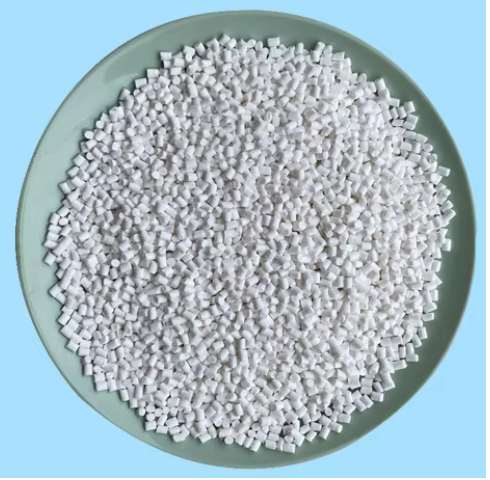
Polymeric flame retardants represent a breakthrough in fire safety technology, offering superior protection through their innovative molecular structure. These advanced materials integrate directly into polymer matrices, creating inherently flame-resistant materials without compromising the host polymer's physical properties. Unlike traditional flame retardants, polymeric variants work through a complex mechanism of char formation and heat absorption, effectively preventing fire spread while maintaining structural integrity. The technology operates on multiple levels, including the creation of an insulating char layer, the release of flame-inhibiting gases, and the absorption of heat energy during decomposition. These flame retardants find extensive applications across various industries, including construction materials, electronics, automotive components, and textiles. Their effectiveness stems from their ability to maintain long-term stability and durability while providing consistent fire protection throughout the material's lifecycle. Additionally, polymeric flame retardants offer environmental advantages through reduced emission of volatile organic compounds and improved recycling capabilities compared to traditional alternatives.


New Product Recommendations

Polymeric flame retardants offer numerous compelling advantages that set them apart in the fire safety industry. First, their integration at the molecular level ensures uniform distribution throughout the material, resulting in consistent and reliable fire protection. This molecular integration also leads to enhanced durability, as the flame retardant properties cannot be easily washed out or degraded over time. Unlike traditional additives, polymeric flame retardants maintain the host material's mechanical properties, preventing issues like plasticization or reduced strength. Environmental considerations are another significant advantage, as these materials produce fewer toxic emissions during combustion and are more environmentally sustainable throughout their lifecycle. The permanence of their protection eliminates the need for frequent reapplication or replacement, reducing long-term costs and maintenance requirements. Their versatility allows for customization across different polymer systems, making them suitable for various applications and industry requirements. Safety performance is enhanced through multiple fire-protection mechanisms working simultaneously, providing more comprehensive protection than single-mechanism alternatives. The materials also demonstrate excellent thermal stability during processing, allowing for higher processing temperatures without degradation. Their high molecular weight reduces the potential for migration and blooming, ensuring consistent performance throughout the product's lifespan. Additionally, these flame retardants contribute to improved recycling capabilities, aligning with modern sustainability requirements and circular economy principles.

Latest News

What Is PVC Resin and How Is It Manufactured?

27

Aug

What Is PVC Resin and How Is It Manufactured?

Understanding the Fundamentals of Polyvinyl Chloride Production PVC resin stands as one of the most versatile and widely used synthetic materials in modern manufacturing. As a fundamental building block of countless products, from construction materi...
View More
How to Choose the Right PVC Resin Grade for Your Application

11

Sep

How to Choose the Right PVC Resin Grade for Your Application

Understanding PVC Resin Properties and Selection Criteria Selecting the appropriate PVC resin grade is crucial for ensuring optimal product performance and manufacturing efficiency. The diverse range of PVC resin grades available today offers varying...
View More
 What Are the Functions of Stearates in PVC Compounding

11

Sep

What Are the Functions of Stearates in PVC Compounding

Understanding the Essential Role of Stearates in PVC Processing In the world of polymer processing, stearates in PVC compounding play a crucial role in determining the quality, efficiency, and performance of the final product. These versatile additiv...
View More
What Are the Main Types of Flame Retardants for Thermoplastics

22

Oct

What Are the Main Types of Flame Retardants for Thermoplastics

Understanding Modern Flame Retardant Solutions in Thermoplastic Materials The growing demand for safer plastic materials has placed flame retardants for thermoplastics at the forefront of materials science innovation. These essential additives play a...
View More

Get a Free Quote

Our representative will contact you soon.
Email
Name
Company Name
Message
0/1000

polymeric flame retardant

Enhanced Performance Stability

Enhanced Performance Stability

Polymeric flame retardants excel in maintaining consistent performance throughout the material's lifetime. This stability stems from their unique molecular structure, which creates permanent bonds within the host polymer matrix. Unlike conventional flame retardants that can migrate or leach out over time, polymeric variants remain firmly anchored in place, ensuring undiminished protection even after years of service. This feature is particularly valuable in applications requiring long-term reliability, such as construction materials and electrical components. The stability also extends to processing conditions, where these materials maintain their integrity even at elevated temperatures, allowing for broader manufacturing possibilities and improved end-product quality.
Environmental Sustainability

Environmental Sustainability

The environmental profile of polymeric flame retardants represents a significant advancement in sustainable fire safety solutions. These materials are designed with eco-consciousness in mind, featuring reduced emissions during both processing and end-use applications. Their high molecular weight and chemical stability result in minimal leaching into the environment, addressing concerns associated with traditional flame retardants. The materials support circular economy initiatives through improved recyclability, as they maintain their properties through multiple processing cycles. This environmental advantage extends to their end-of-life management, where they demonstrate reduced environmental impact compared to conventional alternatives.
Cost-Effective Protection

Cost-Effective Protection

While initial investment in polymeric flame retardants may be higher than traditional options, their long-term cost-effectiveness makes them an economically sound choice. The durability and permanence of their protection eliminate the need for frequent replacement or reapplication, reducing maintenance costs significantly. Their ability to maintain material properties means no compromise on performance or lifespan of the final product. The improved processing stability results in fewer manufacturing issues and reduced waste, contributing to overall cost efficiency. Additionally, their contribution to meeting stringent safety regulations without the need for excessive loading levels helps optimize material usage and cost.

Get a Free Quote

Our representative will contact you soon.
Email
Name
Company Name
Message
0/1000