Zinc Stearate Mold Release: High-Performance Industrial Release Agent for Enhanced Manufacturing Efficiency

All Categories

zinc stearate mold release

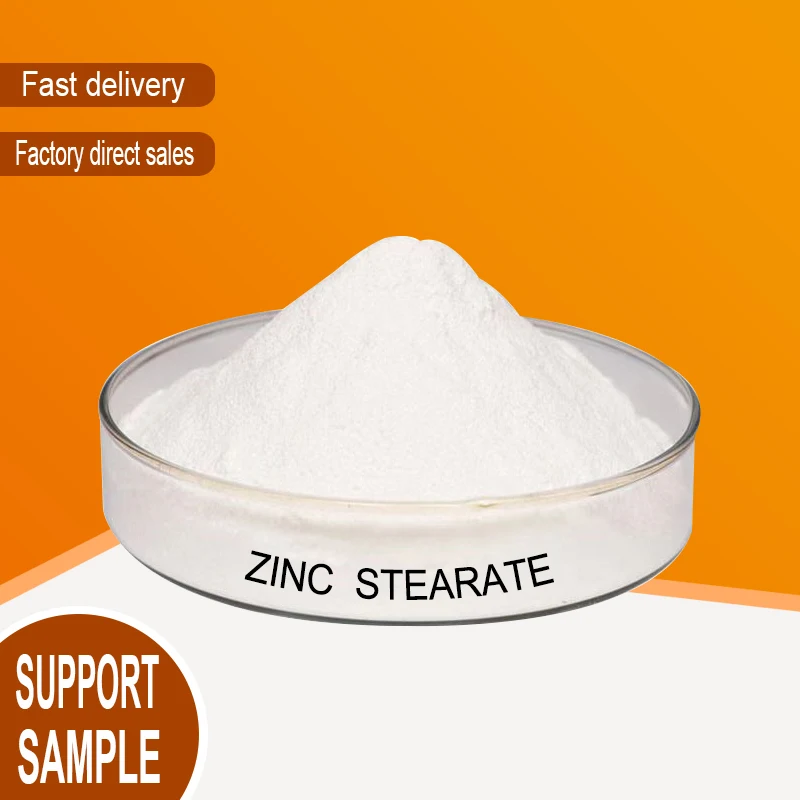
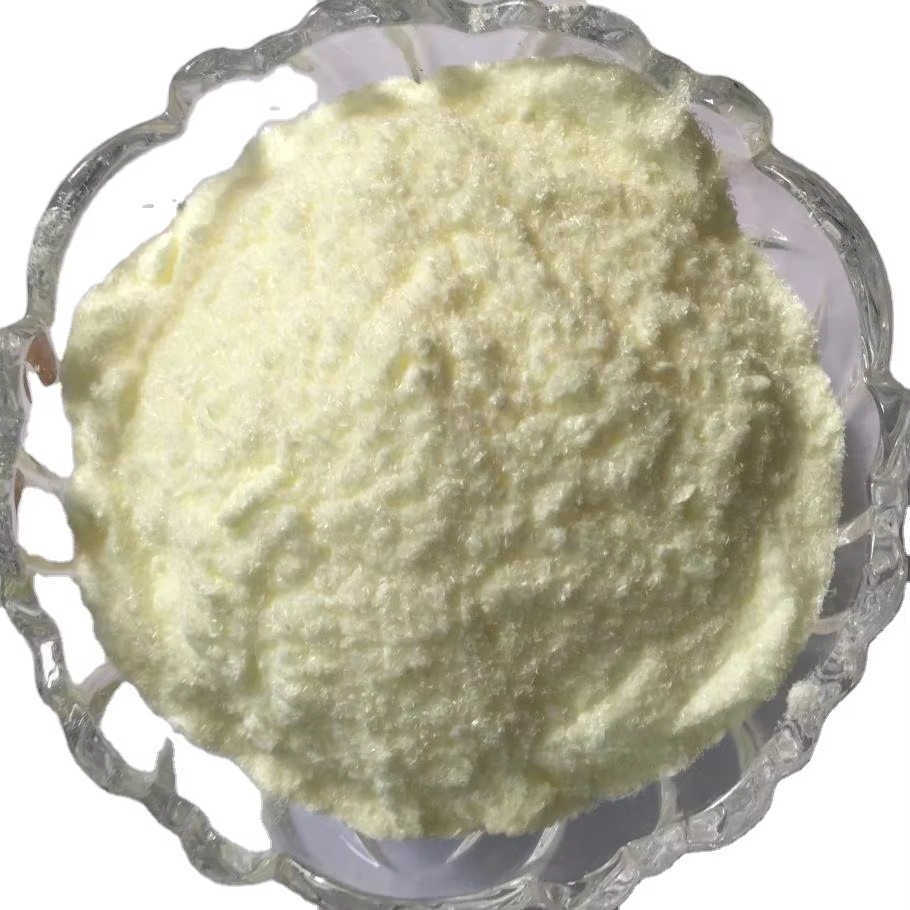
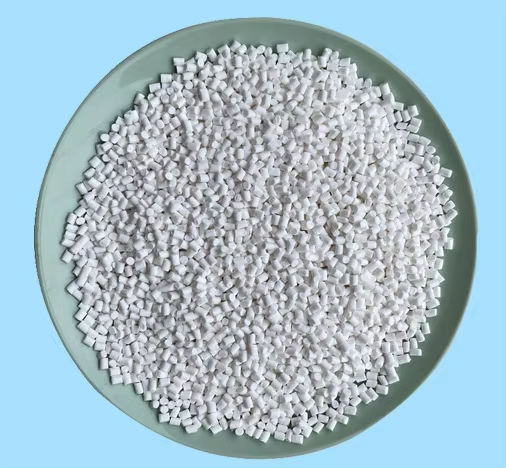
Zinc stearate mold release is an essential industrial compound widely used in plastic processing, rubber manufacturing, and die casting operations. This versatile release agent, composed of zinc salt and stearic acid, creates an effective barrier between the mold surface and the material being molded. The fine, white powder forms a microscopic layer that prevents adhesion while maintaining the integrity of the final product's surface finish. With its high melting point of approximately 120°C, zinc stearate remains stable under various processing conditions, making it particularly valuable in high-temperature applications. The compound's unique molecular structure allows it to spread evenly across mold surfaces, ensuring consistent release properties throughout the production cycle. Beyond its primary function as a release agent, zinc stearate also serves as an excellent lubricant and stabilizer in many industrial processes. Its non-toxic nature and compatibility with various materials, including thermoplastics, thermosets, and rubber compounds, have made it a preferred choice in manufacturing operations worldwide. The material's ability to reduce wear on mold surfaces while improving production efficiency has established it as a cornerstone in modern manufacturing processes.


Popular Products

The implementation of zinc stearate mold release offers numerous compelling advantages that significantly enhance manufacturing processes. First and foremost, its exceptional release properties ensure clean and easy part removal, dramatically reducing production cycle times and minimizing scrap rates. The compound's natural lubricating qualities decrease wear on mold surfaces, extending tool life and reducing maintenance costs. Unlike liquid release agents, zinc stearate's powder form allows for precise application and eliminates the need for drying time, enabling faster production cycles. The material's high thermal stability ensures consistent performance even in demanding high-temperature applications, preventing degradation and maintaining product quality. Its non-toxic nature makes it environmentally friendly and safe for workers, complying with strict safety regulations while reducing workplace hazards. The cost-effectiveness of zinc stearate is particularly noteworthy, as its excellent coverage rate and long-lasting effects mean less frequent applications are needed. Additionally, the compound's compatibility with various materials eliminates the need for multiple release agents in diverse production environments. Its ability to improve surface finish quality reduces post-processing requirements, saving both time and resources. The material's stable chemical composition ensures consistent performance batch after batch, contributing to reliable quality control in manufacturing operations.

Practical Tips

What Are Halogen-Free Flame Retardants and Their Benefits?

27

Aug

What Are Halogen-Free Flame Retardants and Their Benefits?

Understanding Modern Fire Safety Solutions in Materials In today's rapidly evolving materials industry, halogen-free flame retardants represent a significant advancement in fire safety technology. These innovative compounds are revolutionizing how we...
View More
What Are the Most Common Lubricants Used in PVC Extrusion

11

Sep

What Are the Most Common Lubricants Used in PVC Extrusion

Understanding the Role of Lubricants in PVC Processing The success of PVC extrusion operations heavily depends on the selection and proper use of lubricants. These essential additives play a crucial role in facilitating the smooth processing of PVC c...
View More
How to Choose the Right PVC Resin Grade for Your Application

11

Sep

How to Choose the Right PVC Resin Grade for Your Application

Understanding PVC Resin Properties and Selection Criteria Selecting the appropriate PVC resin grade is crucial for ensuring optimal product performance and manufacturing efficiency. The diverse range of PVC resin grades available today offers varying...
View More
Can Lubricants Improve Demolding in Plastic Injection Molding

22

Oct

Can Lubricants Improve Demolding in Plastic Injection Molding

Enhancing Plastic Production Through Advanced Demolding Solutions The plastic injection molding industry continuously seeks ways to optimize production efficiency and product quality. Among the most crucial aspects of this process is the demolding ph...
View More

Get a Free Quote

Our representative will contact you soon.
Email
Name
Company Name
Message
0/1000

zinc stearate mold release

Superior Release Performance

Superior Release Performance

Zinc stearate mold release stands out for its exceptional release capabilities, which stem from its unique molecular structure and physical properties. The compound forms an ultra-thin, uniform layer on mold surfaces that effectively prevents adhesion without compromising part quality. This microscopic barrier maintains its integrity throughout multiple cycles, ensuring consistent release performance even under challenging conditions. The material's ability to spread evenly across complex mold geometries ensures complete coverage, eliminating stuck parts and reducing production interruptions. This superior release performance translates directly into increased productivity and reduced manufacturing costs.
Enhanced Mold Protection

Enhanced Mold Protection

One of the most significant advantages of zinc stearate mold release is its protective qualities for mold surfaces. The compound creates a protective barrier that significantly reduces wear and tear on expensive mold equipment. This protection extends mold life and maintains dimensional accuracy over extended production runs. The material's natural lubricating properties reduce friction during part removal, preventing surface damage and maintaining the mold's original finish. This protective feature is particularly valuable in high-volume production environments where mold longevity is crucial for maintaining operational efficiency and cost control.
Environmental and Safety Benefits

Environmental and Safety Benefits

In today's environmentally conscious manufacturing landscape, zinc stearate mold release offers significant advantages in terms of safety and environmental impact. The compound's non-toxic nature makes it safe for operators to handle and eliminates the need for special ventilation systems often required with solvent-based release agents. Its powder form reduces VOC emissions typically associated with liquid releases, contributing to a healthier workplace environment. The material's biodegradability and minimal environmental impact align with sustainable manufacturing practices, helping companies meet increasingly stringent environmental regulations while maintaining production efficiency.

Get a Free Quote

Our representative will contact you soon.
Email
Name
Company Name
Message
0/1000