
 EN
EN
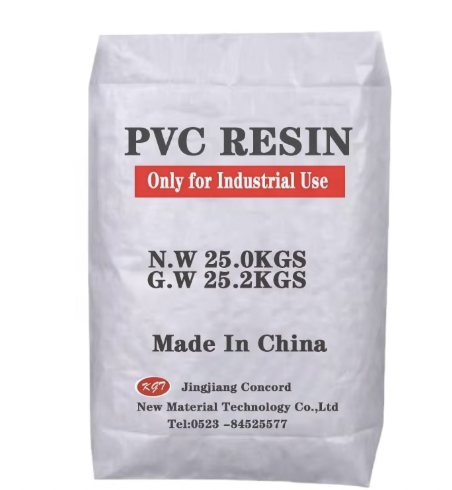
Polyvinyl chloride (PVC) stands as one of the most versatile and widely used thermoplastic polymers in modern manufacturing, yet its inherent susceptibility to thermal and environmental degradation poses significant challenges for product longevity. PVC stabilizers play a crucial role in preventing this degradation, ensuring that plastic products maintain their structural integrity, appearance, and performance characteristics throughout their intended lifespan. These specialized chemical compounds act as protective agents that neutralize the catalytic effects of heat, light, and oxygen that would otherwise cause chain scission, discoloration, and mechanical property loss in PVC materials. Understanding how PVC stabilizers function and their mechanisms of protection is essential for manufacturers seeking to produce durable, high-quality plastic products that can withstand the rigors of real-world applications across diverse industries.
Understanding PVC Degradation Mechanisms and Vulnerability
Thermal Degradation Pathways in PVC
PVC degradation begins at the molecular level when polymer chains are exposed to elevated temperatures during processing or service conditions. The weak carbon-chlorine bonds within the PVC structure become unstable at temperatures above 150°C, initiating a cascade of chemical reactions that lead to hydrogen chloride elimination. This dehydrochlorination process creates conjugated double bond sequences that manifest as visible discoloration, progressing from yellow to brown and eventually black. The released hydrogen chloride acts as an autocatalyst, accelerating further degradation and creating a self-perpetuating cycle of polymer breakdown. Without proper stabilization, this thermal degradation can occur rapidly during processing operations such as extrusion, injection molding, or calendering, making PVC stabilizers indispensable for maintaining product quality during manufacturing.
The kinetics of thermal degradation in PVC follow a complex pathway involving both random chain scission and zipper-like elimination reactions. Initial degradation typically occurs at structural irregularities such as branch points, head-to-head linkages, or sites containing oxygen-containing groups introduced during polymerization. These defect sites act as initiation points where PVC stabilizers must provide targeted protection to prevent the propagation of degradation throughout the polymer matrix. The temperature dependence of degradation rates follows Arrhenius behavior, with reaction rates doubling approximately every 10°C increase in temperature, emphasizing the critical importance of effective stabilization systems in high-temperature applications.
Environmental Stress Factors
Beyond thermal effects, PVC products face numerous environmental stressors that can initiate or accelerate degradation processes during their service life. Ultraviolet radiation from sunlight provides sufficient energy to break chemical bonds and generate free radicals that propagate oxidative degradation reactions. Oxygen molecules dissolved in the polymer matrix react with these radicals to form peroxides and other reactive species that attack the polymer backbone. PVC stabilizers must address these multiple degradation pathways simultaneously, providing comprehensive protection against the synergistic effects of heat, light, and oxygen exposure that occur in real-world applications.
Moisture and atmospheric pollutants introduce additional complexity to PVC degradation mechanisms, particularly in outdoor applications or humid environments. Water molecules can facilitate hydrolytic reactions that weaken polymer chains, while trace amounts of acids or bases in the environment can catalyze degradation reactions. Industrial atmospheres containing sulfur dioxide, nitrogen oxides, or other reactive gases create aggressive conditions that challenge the protective capabilities of stabilizer systems. Effective PVC stabilizers must provide long-term protection against this broad spectrum of environmental stressors while maintaining their own stability and effectiveness throughout the product's intended service life.
Chemical Mechanisms of PVC Stabilizer Action
Heat Stabilization Principles
Heat stabilizers function through multiple complementary mechanisms designed to interrupt the degradation cascade at various stages of the process. Primary stabilizers, such as metal soaps or organometallic compounds, work by replacing labile chlorine atoms with more stable substituents, effectively preventing the initiation of dehydrochlorination reactions. These compounds react preferentially with the most vulnerable sites in the polymer chain, forming stable metal-chloride bonds that cannot participate in further degradation reactions. The effectiveness of different metal-based PVC stabilizers varies significantly, with calcium-zinc systems offering excellent long-term stability, while barium-cadmium combinations provide superior clarity and processing characteristics, though environmental concerns have limited cadmium use in many applications.
Secondary stabilizers complement primary systems by neutralizing hydrogen chloride as it forms, preventing the autocatalytic acceleration of degradation reactions. Epoxidized compounds, phosphites, and certain organic nitrogen-containing molecules serve this function by reacting rapidly with HCl to form stable, non-catalytic products. The synergistic interaction between primary and secondary PVC stabilizers creates a robust protective system that can maintain polymer stability even under severe processing conditions or extended high-temperature exposure. Advanced stabilizer formulations often incorporate multiple primary and secondary components to optimize performance for specific application requirements.
Antioxidant Mechanisms
Oxidative degradation protection requires specialized antioxidant compounds that can interrupt free radical chain reactions without compromising the beneficial properties of the PVC matrix. Phenolic antioxidants function as radical scavengers, donating hydrogen atoms to peroxyl radicals and converting them to stable hydroperoxides that can be further neutralized by secondary antioxidants. Phosphite-based compounds serve as peroxide decomposers, breaking down hydroperoxides into non-radical products before they can participate in propagation reactions. The careful selection and balancing of different antioxidant types within PVC stabilizers ensures comprehensive protection against oxidative degradation while maintaining processing characteristics and final product properties.
The effectiveness of antioxidant systems depends critically on their ability to regenerate active species through synergistic interactions between different compound types. Vitamin E derivatives can be regenerated by vitamin C analogs, creating a self-sustaining antioxidant cycle that provides extended protection. Similarly, certain metal-based stabilizers can catalyze the regeneration of consumed phenolic antioxidants, extending the effective lifetime of the stabilizer system. These regeneration mechanisms are particularly important in long-term outdoor applications where continuous oxidative stress occurs throughout the product's service life.
UV Protection and Light Stabilization Strategies
UV Absorber Technologies
Ultraviolet absorbers represent a critical component of comprehensive PVC stabilizers designed for outdoor applications or products exposed to artificial UV sources. These compounds function by absorbing harmful UV radiation and dissipating the energy as harmless heat, preventing photochemical reactions that would otherwise initiate polymer degradation. Benzotriazole-based UV absorbers offer excellent broad-spectrum protection across the UV-A and UV-B ranges, while benzophenone derivatives provide cost-effective protection for less demanding applications. Advanced UV absorber technologies incorporate molecular engineering approaches that maximize absorption efficiency while minimizing negative effects on polymer clarity or color properties.
The selection of appropriate UV absorber systems requires careful consideration of the specific wavelength ranges that pose the greatest threat to PVC stability under anticipated service conditions. Solar radiation below 320 nm provides sufficient energy to directly break carbon-chlorine bonds, while longer wavelength UV-A radiation can generate reactive oxygen species that initiate oxidative degradation pathways. Modern PVC stabilizers often incorporate combinations of different UV absorber types to provide comprehensive protection across the entire damaging UV spectrum while maintaining optimal balance with other stabilizer components.
Hindered Amine Light Stabilizers
Hindered amine light stabilizers (HALS) represent an advanced approach to UV protection that functions through radical scavenging rather than UV absorption. These compounds do not absorb UV radiation themselves but instead neutralize the free radicals generated by photochemical processes, effectively interrupting the propagation of photo-oxidative degradation. HALS compounds exhibit remarkable efficiency, with single molecules capable of neutralizing hundreds or thousands of radical species through a regenerative cycle that maintains their protective activity throughout extended exposure periods. This regenerative mechanism makes HALS particularly valuable in PVC stabilizers designed for long-term outdoor applications where conventional UV absorbers might eventually be consumed.
The unique chemistry of HALS compounds allows them to adapt their protective mechanisms to the specific conditions encountered during polymer degradation. Under mild oxidative conditions, HALS molecules exist primarily as stable nitroxyl radicals that scavenge carbon-centered radicals formed during polymer chain scission. As degradation intensifies, these compounds can transform into hydroxylamine derivatives that neutralize peroxyl radicals more effectively. This adaptive behavior ensures that PVC stabilizers containing HALS components provide optimal protection across a wide range of environmental conditions and degradation states.
Industrial Applications and Performance Requirements
Construction and Building Materials
The construction industry represents one of the largest markets for PVC products, with applications ranging from window profiles and siding to roofing membranes and pipe systems. These applications demand PVC stabilizers capable of providing decades of reliable protection against the combined effects of UV exposure, thermal cycling, and environmental pollutants. Window profile applications require stabilizer systems that maintain dimensional stability and surface appearance while resisting chalking, discoloration, or mechanical property degradation throughout 20-50 year service lives. The selection of appropriate PVC stabilizers for construction applications must balance long-term weathering resistance with processing requirements, color stability, and regulatory compliance considerations.
Pipe and conduit applications present unique challenges for PVC stabilizers due to the combination of internal pressure stresses, buried environment exposure, and potential contact with aggressive chemicals or elevated temperatures. Underground installations require stabilizer systems that maintain mechanical properties in the presence of soil chemicals, moisture, and temperature variations, while pressure pipe applications demand stabilizers that do not compromise long-term creep resistance or impact strength. Advanced PVC stabilizers for construction applications often incorporate specialized additives such as impact modifiers, processing aids, and colorants that must be carefully balanced to avoid negative interactions that could compromise long-term performance.
Automotive and Transportation
Automotive applications impose some of the most demanding performance requirements on PVC stabilizers due to the extreme environmental conditions encountered in vehicle service. Dashboard components, interior trim, and wire insulation materials must withstand prolonged exposure to elevated temperatures, intense UV radiation from vehicle windows, and rapid thermal cycling between hot and cold conditions. PVC stabilizers for automotive applications must provide exceptional heat aging resistance while maintaining low fogging characteristics and color stability under both thermal and UV exposure. The confined environment within vehicles can concentrate degradation products, making it essential that stabilizer systems minimize the emission of volatile compounds that could affect air quality or cause surface contamination.
Exterior automotive components face additional challenges from road salt, fuel vapors, washing chemicals, and mechanical stress that can accelerate degradation processes. PVC stabilizers for these applications must provide comprehensive protection while meeting stringent automotive industry standards for material properties, environmental resistance, and safety. The development of advanced stabilizer systems for automotive use often involves extensive testing under accelerated aging conditions designed to simulate decades of real-world exposure in compressed timeframes.
Environmental and Safety Considerations
Regulatory Compliance and Green Chemistry
Modern PVC stabilizers must navigate an increasingly complex regulatory landscape that seeks to balance performance requirements with environmental and health considerations. Traditional lead-based stabilizers, once widely used for their excellent performance characteristics, have been largely phased out due to toxicity concerns and replaced with alternative metal systems such as calcium-zinc or organic-based stabilizers. These newer systems must meet or exceed the performance of legacy stabilizers while complying with regulations such as RoHS (Restriction of Hazardous Substances) and REACH (Registration, Evaluation, Authorization and Restriction of Chemicals) that limit the use of certain chemical compounds in consumer and industrial products.
The development of environmentally friendly PVC stabilizers represents a significant area of innovation within the plastics industry, with researchers exploring bio-based stabilizer components, recyclable stabilizer systems, and formulations designed to facilitate end-of-life material recovery. Green chemistry principles guide the design of new stabilizer molecules that provide equivalent or superior performance while minimizing environmental impact throughout their lifecycle. These efforts include the development of stabilizers derived from renewable feedstocks, systems that enhance PVC recyclability, and formulations that reduce processing energy requirements without compromising final product properties.
Lifecycle Assessment and Sustainability
Comprehensive lifecycle assessment of PVC stabilizers encompasses their environmental impact from raw material extraction through manufacturing, use, and end-of-life disposal or recycling. Modern stabilizer systems are evaluated not only for their immediate performance characteristics but also for their contribution to product durability, energy efficiency, and material recovery potential. PVC stabilizers that extend product lifespans contribute to sustainability by reducing replacement frequency and associated material consumption, while systems that maintain polymer properties during recycling operations support circular economy initiatives within the plastics industry.
The carbon footprint of stabilizer systems includes both direct emissions from production processes and indirect effects such as extended product lifetimes that reduce overall material consumption. Advanced PVC stabilizers that enable thinner-wall product designs or enhanced material performance can provide significant environmental benefits by reducing overall plastic consumption while maintaining or improving functional performance. Sustainability considerations increasingly influence stabilizer selection decisions, with manufacturers seeking systems that optimize the balance between immediate performance requirements and long-term environmental responsibility.
Future Developments in PVC Stabilization Technology
Nanotechnology and Advanced Materials
Nanotechnology offers promising avenues for developing next-generation PVC stabilizers with enhanced performance characteristics and novel protective mechanisms. Nanoparticle-based stabilizers can provide improved dispersion throughout the polymer matrix, enhanced UV blocking efficiency, and synergistic interactions with conventional stabilizer components that amplify protective effects. Metal oxide nanoparticles such as zinc oxide or titanium dioxide can serve dual functions as UV absorbers and heat stabilizers while potentially offering antimicrobial properties for specialized applications. The challenge in developing nano-enhanced PVC stabilizers lies in achieving uniform dispersion, maintaining particle stability during processing, and ensuring that nanoparticles do not negatively affect mechanical properties or processing characteristics.
Advanced materials science approaches are enabling the development of smart stabilizer systems that can adapt their protective mechanisms to changing environmental conditions or degradation states. Encapsulation technologies allow for the controlled release of stabilizer components over time, providing sustained protection throughout extended service lives. Molecular engineering of stabilizer structures can optimize their compatibility with PVC while enhancing their effectiveness against specific degradation pathways. These technological advances promise to deliver PVC stabilizers with unprecedented performance capabilities while potentially reducing overall additive loading requirements.
Digital Modeling and Predictive Performance
Computational chemistry and materials modeling are revolutionizing the development of new PVC stabilizers by enabling researchers to predict performance characteristics and optimize formulations before extensive laboratory testing. Molecular dynamics simulations can model the interactions between stabilizer molecules and PVC chains, providing insights into degradation mechanisms and stabilizer effectiveness at the atomic level. Machine learning algorithms trained on extensive performance databases can identify novel stabilizer combinations or predict long-term performance based on accelerated testing results, significantly reducing development time and costs for new stabilizer systems.
Predictive modeling approaches are particularly valuable for developing PVC stabilizers tailored to specific application requirements or environmental conditions. Digital twins of stabilized PVC products can simulate performance under various stress conditions, enabling optimization of stabilizer selection and loading levels for maximum effectiveness. These advanced modeling capabilities support the development of customized stabilizer solutions that provide optimal protection for specific applications while minimizing material costs and environmental impact. The integration of digital technologies with traditional materials science approaches promises to accelerate innovation in PVC stabilizers while improving the reliability and sustainability of stabilized plastic products.
FAQ
What is the typical concentration range of PVC stabilizers in commercial formulations?
Commercial PVC formulations typically contain stabilizer packages at concentrations ranging from 1 to 5 parts per hundred resin (phr), depending on the specific application requirements and performance targets. Rigid PVC applications such as pipes or profiles generally require 2-3 phr of stabilizer loading, while flexible PVC products may use 1-2 phr due to their different processing conditions and service requirements. Higher stabilizer concentrations may be necessary for demanding applications such as outdoor weathering or high-temperature service, but excessive loading can negatively affect mechanical properties, clarity, or processing characteristics.
How do PVC stabilizers affect the recycling and end-of-life management of plastic products?
Modern PVC stabilizers are designed to support recycling operations by maintaining polymer integrity during reprocessing cycles, though some stabilizer systems may become partially depleted during repeated heat exposure. Calcium-zinc based stabilizers generally perform better in recycling applications compared to traditional lead-based systems, as they produce fewer harmful degradation products and maintain better color stability during reprocessing. Advanced stabilizer formulations may include virgin stabilizer supplementation or specialized additives designed to restore protective capacity in recycled PVC streams, supporting circular economy initiatives within the plastics industry.
Can PVC stabilizers provide protection against chemical exposure and aggressive environments?
While PVC stabilizers primarily target thermal, UV, and oxidative degradation, certain stabilizer components can provide some protection against chemical attack depending on the specific chemicals involved. Epoxy-based secondary stabilizers can neutralize acids that might catalyze polymer degradation, while certain metal soap systems provide some resistance to specific chemical environments. However, chemical resistance is primarily an inherent property of the PVC polymer itself, and stabilizers cannot fundamentally alter the chemical compatibility of the base resin with aggressive substances such as strong acids, bases, or organic solvents.
What factors determine the selection of specific PVC stabilizer systems for different applications?
Stabilizer selection depends on multiple factors including processing temperatures, expected service life, environmental exposure conditions, regulatory requirements, and cost considerations. High-temperature processing applications require stabilizers with excellent thermal stability and low volatility, while outdoor applications prioritize UV resistance and long-term weathering performance. Food contact applications must use stabilizers approved for such use, while construction materials may require systems that provide decades of reliable performance. The interaction between different stabilizer components and other additives such as plasticizers, fillers, or colorants also influences selection decisions to ensure optimal overall performance of the final formulation.
Table of Contents
- Understanding PVC Degradation Mechanisms and Vulnerability
- Chemical Mechanisms of PVC Stabilizer Action
- UV Protection and Light Stabilization Strategies
- Industrial Applications and Performance Requirements
- Environmental and Safety Considerations
- Future Developments in PVC Stabilization Technology
-
FAQ
- What is the typical concentration range of PVC stabilizers in commercial formulations?
- How do PVC stabilizers affect the recycling and end-of-life management of plastic products?
- Can PVC stabilizers provide protection against chemical exposure and aggressive environments?
- What factors determine the selection of specific PVC stabilizer systems for different applications?