calcium stearate in pvc
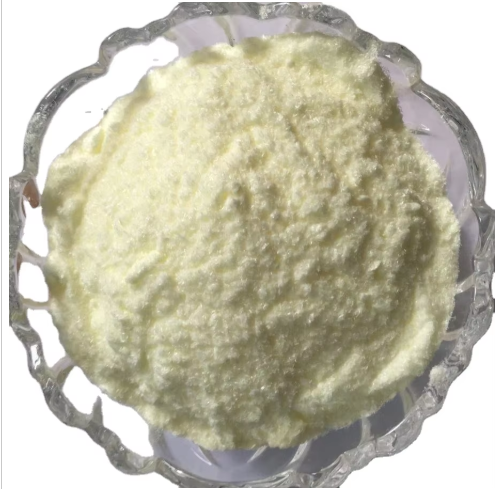
Calcium stearate plays a crucial role as a stabilizer and lubricant in PVC processing. This versatile additive serves multiple functions in PVC formulations, enhancing both processing efficiency and end-product quality. As a metallic soap, calcium stearate acts as an external lubricant that reduces friction between PVC particles and processing equipment surfaces, facilitating smoother production operations. It also functions as an internal lubricant, improving the flow characteristics of the PVC melt. The compound's thermal stability properties help prevent PVC degradation during processing at elevated temperatures, maintaining the material's integrity throughout the manufacturing process. In PVC applications, calcium stearate typically comprises 0.5 to 3 parts per hundred resin (phr), depending on the specific requirements of the end product. Its effectiveness in preventing PVC molecules from sticking to hot metal surfaces during processing makes it an indispensable component in various PVC formulations. The additive's ability to enhance mold release properties and improve surface finish quality has made it a standard ingredient in rigid PVC products, including pipes, profiles, and fittings. Additionally, calcium stearate contributes to the long-term stability of PVC products by acting as a heat stabilizer co-factor, working synergistically with primary stabilizers to prevent thermal degradation during the product's service life.

 EN
EN