Calcium Stearate in PVC: Essential Additive for Enhanced Processing and Product Quality

All Categories

calcium stearate uses in pvc

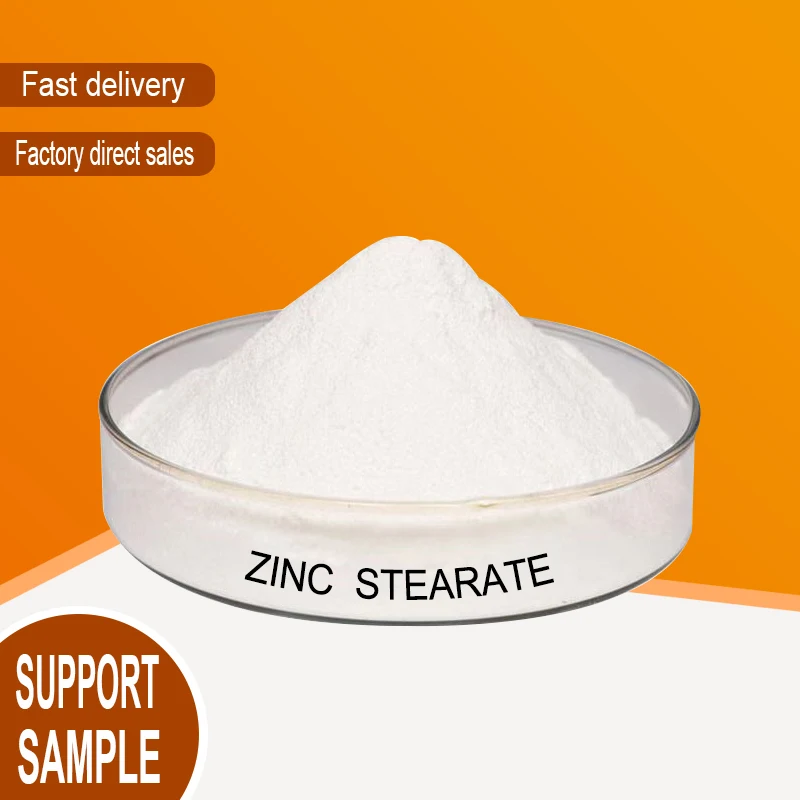
Calcium stearate plays a vital role in PVC processing as a multifunctional additive that enhances both manufacturing efficiency and end-product quality. This versatile compound functions primarily as a lubricant, stabilizer, and release agent in PVC formulations. During PVC processing, calcium stearate creates a protective layer that prevents the material from sticking to processing equipment, significantly reducing wear and extending machinery lifespan. As a heat stabilizer, it helps maintain PVC's structural integrity during high-temperature processing, preventing degradation and discoloration. The compound's molecular structure allows it to act as an internal and external lubricant simultaneously, facilitating smooth material flow while improving the surface finish of final products. In PVC applications, calcium stearate typically comprises 0.5-3% of the formulation, providing optimal performance without compromising other material properties. Its effectiveness in various PVC processing methods, including extrusion, injection molding, and calendering, makes it an indispensable component in modern PVC manufacturing. The compound's ability to enhance processing efficiency while contributing to product quality has established it as a standard ingredient in PVC formulations across industries, from construction materials to consumer goods.


New Product Recommendations

Calcium stearate offers numerous advantages in PVC processing that make it an essential additive for manufacturers. First, its dual lubrication properties significantly improve processing efficiency by reducing friction both internally between PVC molecules and externally between the material and processing equipment. This results in lower energy consumption and increased production rates. The compound's heat stabilization capabilities protect PVC from thermal degradation during processing, ensuring consistent product quality and reducing waste. Its release agent properties prevent material adhesion to equipment surfaces, minimizing maintenance requirements and extending equipment life. Calcium stearate's compatibility with various PVC formulations provides manufacturers with flexibility in product development. The additive's contribution to surface quality enhancement results in products with better aesthetic appeal and improved scratch resistance. Its cost-effectiveness compared to alternative additives makes it an economically viable choice for manufacturers. The compound's regulatory compliance and low environmental impact align with modern sustainability requirements. Its ability to improve melt flow characteristics enables better mold filling and more precise part formation. The prevention of plate-out during processing ensures more consistent product quality and reduces production interruptions. Additionally, calcium stearate's stability during storage and processing ensures reliable performance throughout the manufacturing process, while its contribution to weather resistance in final products extends their service life.

Tips And Tricks

Can Toughening Agents Improve Low-Temperature Performance?

27

Aug

Can Toughening Agents Improve Low-Temperature Performance?

The Science Behind Material Enhancement Through Toughening Agents The quest for superior material performance at low temperatures has led scientists and engineers to explore innovative solutions, with toughening agents emerging as a revolutionary app...
View More
What Are the Most Common Lubricants Used in PVC Extrusion

11

Sep

What Are the Most Common Lubricants Used in PVC Extrusion

Understanding the Role of Lubricants in PVC Processing The success of PVC extrusion operations heavily depends on the selection and proper use of lubricants. These essential additives play a crucial role in facilitating the smooth processing of PVC c...
View More
How to Choose the Right PVC Resin Grade for Your Application

11

Sep

How to Choose the Right PVC Resin Grade for Your Application

Understanding PVC Resin Properties and Selection Criteria Selecting the appropriate PVC resin grade is crucial for ensuring optimal product performance and manufacturing efficiency. The diverse range of PVC resin grades available today offers varying...
View More
What Is the Impact of Plasticizer on PVC Gelation

22

Oct

What Is the Impact of Plasticizer on PVC Gelation

Understanding the Fundamental Role of Plasticizers in PVC Processing The process of PVC gelation represents a crucial aspect of polymer processing that fundamentally transforms polyvinyl chloride from its raw state into useful products. At the heart ...
View More

Get a Free Quote

Our representative will contact you soon.
Email
Name
Company Name
Message
0/1000

calcium stearate uses in pvc

Superior Processing Enhancement

Superior Processing Enhancement

Calcium stearate's exceptional processing enhancement capabilities in PVC applications stem from its unique molecular structure and behavior during manufacturing. The compound's ability to function as both an internal and external lubricant simultaneously sets it apart from other additives. As an internal lubricant, it reduces friction between PVC molecules, enabling smoother flow characteristics and better dispersion of other additives throughout the material. Externally, it creates a microscopic protective layer between the PVC compound and processing equipment surfaces, significantly reducing friction and preventing material adhesion. This dual-action lubrication system results in reduced processing temperatures, lower energy consumption, and increased production speeds. The reduced friction also minimizes wear on processing equipment, leading to longer maintenance intervals and reduced operational costs. These processing enhancements translate directly into improved product quality and manufacturing efficiency.
Thermal Stability Innovation

Thermal Stability Innovation

The thermal stability provided by calcium stearate represents a crucial innovation in PVC processing. During high-temperature processing, PVC materials are susceptible to degradation that can compromise both appearance and structural integrity. Calcium stearate's molecular structure allows it to act as an effective heat stabilizer, preventing thermal degradation through multiple mechanisms. It neutralizes hydrochloric acid released during processing, preventing autocatalytic degradation of the PVC. This stabilization effect maintains color stability, preventing yellowing and other discoloration issues common in PVC processing. The compound's thermal protection extends throughout the entire processing temperature range, ensuring consistent material properties from start to finish. This comprehensive thermal protection results in higher quality products with improved long-term stability and appearance.
Quality Surface Finish Achievement

Quality Surface Finish Achievement

Calcium stearate's contribution to surface finish quality in PVC products represents a significant advantage in manufacturing. The compound's unique properties enable it to migrate to the material surface during processing, creating a uniform, protective layer that enhances both appearance and functionality. This surface modification results in improved gloss levels, better scratch resistance, and enhanced weather resistance in final products. The compound's ability to prevent plate-out ensures consistent surface quality throughout production runs, reducing rejected parts and improving overall yield. The surface enhancement properties extend to both rigid and flexible PVC applications, providing versatility across different product categories. The improved surface characteristics contribute to better printability and coating adhesion, expanding the potential applications for PVC products.

Get a Free Quote

Our representative will contact you soon.
Email
Name
Company Name
Message
0/1000