CPE Low Temperature Flexibility: Advanced Cold Weather Performance Solutions

All Categories

cpe low temperature flexibility

CPE low temperature flexibility represents a crucial characteristic of chlorinated polyethylene that enables materials to maintain their structural integrity and performance capabilities even in cold conditions. This property is essential for various industrial applications, particularly in outdoor and cold storage environments. The material achieves its exceptional low temperature flexibility through a carefully controlled chlorination process, which modifies the polymer structure to remain pliable and resistant to cracking at temperatures well below freezing. This feature makes it particularly valuable in applications where traditional materials become brittle and fail. The technology behind CPE low temperature flexibility involves the optimization of molecular weight distribution and chlorine content, resulting in a material that maintains its elastomeric properties across a wide temperature range. In practical terms, this means that products manufactured with CPE can withstand thermal cycling and extreme cold without compromising their mechanical properties. The material's ability to retain flexibility at low temperatures makes it ideal for applications in construction, automotive components, wire and cable insulation, and various outdoor installations where temperature fluctuations are common. Additionally, the low temperature flexibility of CPE contributes to its long term durability and reliability, reducing maintenance requirements and extending the service life of products in cold environments.


Popular Products

The advantages of CPE low temperature flexibility present significant benefits across multiple applications and industries. First, its exceptional cold weather performance ensures consistent material properties even in extreme conditions, preventing brittleness and cracking that commonly affect standard polymers. This reliability translates to reduced maintenance costs and fewer replacements, making it a cost effective choice for long term installations. The material's ability to maintain flexibility at low temperatures also contributes to easier installation and handling in cold conditions, reducing labor time and associated costs. Another key advantage is its broad temperature operating range, which allows for versatile applications in various climates and conditions. The material's resistance to thermal cycling means it can withstand repeated temperature changes without degradation, making it ideal for outdoor applications where daily and seasonal temperature fluctuations are common. CPE's low temperature flexibility also enhances safety in critical applications, as it maintains its protective properties and structural integrity even in cold environments. This is particularly important in applications such as wire insulation and sealing systems, where material failure could lead to serious consequences. Furthermore, the material's consistent performance across temperature ranges simplifies design considerations and reduces the need for temperature specific variations in product specifications. The combination of durability and flexibility at low temperatures also results in improved impact resistance, making CPE based products less susceptible to damage during cold weather installation or operation.

Practical Tips

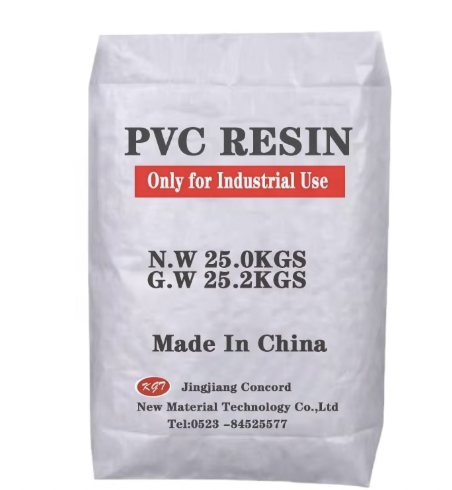
What Is PVC Resin and How Is It Manufactured?

27

Aug

What Is PVC Resin and How Is It Manufactured?

Understanding the Fundamentals of Polyvinyl Chloride Production PVC resin stands as one of the most versatile and widely used synthetic materials in modern manufacturing. As a fundamental building block of countless products, from construction materi...
View More
Can Toughening Agents Improve Low-Temperature Performance?

27

Aug

Can Toughening Agents Improve Low-Temperature Performance?

The Science Behind Material Enhancement Through Toughening Agents The quest for superior material performance at low temperatures has led scientists and engineers to explore innovative solutions, with toughening agents emerging as a revolutionary app...
View More
Can Stearates Be Used as Lubricants and Stabilizers Together

11

Sep

Can Stearates Be Used as Lubricants and Stabilizers Together

Understanding the Dual Functionality of Stearates in Industrial Applications The versatility of stearates in modern manufacturing and industrial processes has made them invaluable components across various sectors. These remarkable compounds possess ...
View More
What Is K-Value in PVC Resin and Why Does It Matter

17

Nov

What Is K-Value in PVC Resin and Why Does It Matter

The K-Value in PVC Resin represents one of the most critical parameters that determines the quality, processing characteristics, and end-use applications of polyvinyl chloride materials. This fundamental measurement serves as a primary indicator of m...
View More

Get a Free Quote

Our representative will contact you soon.
Email
Name
Company Name
Message
0/1000

cpe low temperature flexibility

Superior Cold Weather Performance

Superior Cold Weather Performance

The exceptional cold weather performance of CPE represents a breakthrough in material science, offering unprecedented reliability in challenging environmental conditions. This material maintains its flexibility and functional properties at temperatures where conventional polymers become rigid and prone to failure. The molecular structure of CPE is specifically engineered to resist crystallization at low temperatures, which is typically responsible for material brittleness in cold conditions. This unique characteristic is achieved through careful control of the chlorination process and molecular weight distribution, resulting in a material that remains workable and resilient even in sub zero temperatures. The practical implications of this superior cold weather performance are far reaching, from ensuring consistent seal integrity in industrial applications to maintaining protective properties in safety critical installations.
Enhanced Durability and Longevity

Enhanced Durability and Longevity

The enhanced durability and longevity provided by CPE's low temperature flexibility significantly extends the service life of products and installations. This characteristic is particularly valuable in applications where replacement or maintenance access is difficult or costly. The material's ability to withstand repeated thermal cycling without degradation prevents the formation of stress cracks and material fatigue that typically lead to premature failure in conventional materials. This durability is maintained throughout the product's lifetime, ensuring consistent performance and reliability. The long term stability of CPE's mechanical properties at low temperatures also contributes to reduced maintenance requirements and lower lifecycle costs, making it an economically advantageous choice for cold weather applications.
Versatile Application Range

Versatile Application Range

The versatile application range enabled by CPE's low temperature flexibility opens up numerous possibilities across different industries and use cases. This material can be effectively utilized in various forms, from flexible sheeting and cable insulation to complex molded components, all while maintaining its cold weather performance characteristics. The adaptability of CPE allows for its implementation in both indoor and outdoor applications, making it suitable for diverse environmental conditions. Its compatibility with different processing methods and ability to be combined with other materials further expands its application potential. The material's consistent performance across different temperature ranges simplifies inventory management and reduces the need for application specific variations, streamlining manufacturing and installation processes.

Get a Free Quote

Our representative will contact you soon.
Email
Name
Company Name
Message
0/1000