
 EN
EN
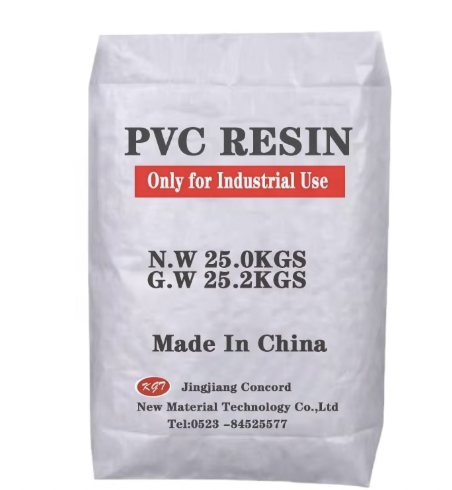
The K-Value in PVC Resin represents one of the most critical parameters that determines the quality, processing characteristics, and end-use applications of polyvinyl chloride materials. This fundamental measurement serves as a primary indicator of molecular weight distribution and polymer chain length, directly influencing the mechanical properties and processing behavior of PVC compounds. Understanding K-Value is essential for manufacturers, processors, and quality control professionals who work with PVC materials across various industrial applications.
Understanding the Fundamentals of K-Value Measurement
Scientific Definition and Measurement Principles
The K-Value represents a standardized measurement that correlates directly with the intrinsic viscosity of PVC resin solutions. This parameter is determined through precise viscometric testing procedures that measure the flow characteristics of diluted PVC solutions under controlled temperature and concentration conditions. The measurement follows established international standards, typically ASTM D1243 or ISO 174, ensuring consistency across different testing facilities and manufacturers worldwide.
The calculation involves comparing the relative viscosity of the PVC solution to that of the pure solvent, typically cyclohexanone, at specific concentrations and temperatures. This relationship provides valuable insights into the average molecular weight of the polymer chains and their distribution throughout the resin sample. Higher K-Values generally indicate longer polymer chains and increased molecular weight, which directly impacts the material's strength, durability, and processing requirements.
Standardized Testing Procedures and Equipment
Professional K-Value determination requires specialized viscometric equipment, including precise temperature control systems, standardized viscometers, and high-purity solvents. The testing process involves dissolving a specific amount of PVC resin in cyclohexanone at controlled concentrations, typically 0.5% by weight, and measuring the flow time through calibrated capillary tubes. Temperature control remains critical throughout the process, as viscosity measurements are highly sensitive to thermal variations.
Quality control laboratories maintain strict protocols for sample preparation, including proper drying procedures to eliminate moisture content that could affect viscosity readings. The testing environment must be controlled for temperature stability, and multiple measurements are typically averaged to ensure accuracy. Professional-grade equipment includes automated viscometers that can process multiple samples simultaneously while maintaining precise temperature and timing control.
Industrial Applications and Grade Classifications
Suspension Grade PVC Classifications
Suspension grade PVC resins are classified primarily by their K-Value ranges, which determine their suitability for specific manufacturing applications. Standard classifications typically include K-57, K-65, K-67, and K-70 grades, each offering distinct processing characteristics and end-product properties. Lower K-Value resins like K-57 provide easier processing with lower melt viscosity, making them ideal for thin-wall applications and high-speed processing equipment.
Higher K-Value in PVC Resin grades such as K-67 and K-70 offer enhanced mechanical strength and durability, suitable for demanding applications like pressure pipes, fittings, and structural components. The selection of appropriate K-Value grades depends on the specific requirements of the end application, including strength requirements, processing conditions, and cost considerations. Manufacturers often blend different K-Value grades to achieve optimal property profiles for specialized applications.
Processing Considerations and Equipment Selection
The K-Value significantly influences processing parameters including extrusion temperatures, screw design requirements, and mixing energy needs. Higher K-Value resins require increased processing temperatures and longer residence times to achieve proper fusion and homogenization. This impacts equipment selection, energy consumption, and production cycle times, making K-Value selection a critical economic consideration for manufacturers.
Processing equipment must be calibrated to accommodate the specific flow characteristics associated with different K-Value ranges. Extruder screw designs, barrel temperature profiles, and die configurations all require adjustment based on the selected resin grade. Higher K-Value materials may require specialized high-torque mixing equipment and extended processing times to achieve optimal melt quality and property development.
Quality Control and Performance Optimization
Laboratory Testing Protocols
Effective quality control programs implement regular K-Value testing throughout the production process to ensure consistency and specification compliance. Testing protocols typically include incoming raw material verification, in-process monitoring during production, and final product confirmation. Statistical process control methods help identify trends and variations that could impact product quality or processing efficiency.
Advanced quality control systems incorporate automated sampling and testing equipment that can provide real-time K-Value measurements during production. This enables immediate process adjustments to maintain target specifications and minimize off-specification material production. Documentation and traceability systems ensure that K-Value data is properly recorded and available for customer requirements and regulatory compliance.
Property Correlation and Predictive Analysis
K-Value measurements serve as predictive indicators for numerous mechanical and processing properties of PVC compounds. Higher K-Values typically correlate with increased tensile strength, impact resistance, and environmental stress crack resistance. This relationship enables formulators to predict end-product performance based on resin selection and optimize compound designs for specific applications.
Statistical analysis of K-Value data helps identify optimal processing windows and predict potential quality issues before they impact production. Correlation studies between K-Value and properties like melt flow, fusion characteristics, and mechanical performance enable more precise compound development and troubleshooting. This data-driven approach improves consistency and reduces development time for new applications.
Economic Impact and Market Considerations
Cost-Performance Optimization
K-Value selection directly impacts material costs, with higher grade resins typically commanding premium pricing due to enhanced properties and processing requirements. Economic optimization requires balancing material costs against processing efficiency, end-product performance, and market positioning. Strategic K-Value selection can provide competitive advantages through improved product performance or manufacturing efficiency.
Manufacturing cost analysis must consider the total impact of K-Value selection, including energy consumption, cycle times, equipment wear, and yield rates. Higher K-Value resins may justify premium pricing through improved product durability and performance, while lower grades may offer cost advantages for price-sensitive applications. Market positioning strategies often leverage K-Value specifications as quality differentiators.
Supply Chain Management and Sourcing
Global PVC resin supply chains require careful management of K-Value specifications to ensure consistent product quality across different suppliers and production locations. Supplier qualification processes must include comprehensive K-Value testing and statistical analysis to verify specification compliance and consistency. Long-term supply agreements often include detailed K-Value requirements and penalty clauses for non-compliance.
Strategic sourcing decisions consider K-Value availability, pricing stability, and supplier technical support capabilities. Regional variations in production capabilities and quality standards require careful evaluation when establishing global supply networks. Risk management strategies include maintaining qualified alternate suppliers for critical K-Value grades and implementing inventory management systems that account for specification requirements.
Future Developments and Industry Trends
Advanced Testing Technologies
Emerging testing technologies promise to revolutionize K-Value measurement through enhanced accuracy, reduced testing time, and improved automation capabilities. Advanced rheological testing equipment provides more comprehensive molecular weight distribution analysis beyond traditional K-Value measurements. These technologies enable better understanding of polymer structure and more precise property predictions.
Digital transformation initiatives in the PVC industry include implementation of artificial intelligence and machine learning algorithms for K-Value prediction and optimization. These systems can analyze historical data patterns to predict optimal K-Value selections for specific applications and processing conditions. Automated testing systems integrated with production equipment provide real-time quality control and immediate feedback for process optimization.
Sustainability and Environmental Considerations
Environmental regulations and sustainability initiatives increasingly influence K-Value selection criteria, with emphasis on energy-efficient processing and recyclability considerations. Lower K-Value resins often require less processing energy, contributing to reduced carbon footprints and operating costs. Recycling applications may require specific K-Value ranges to maintain acceptable properties in post-consumer resin applications.
Circular economy principles encourage development of K-Value optimization strategies that maximize material utilization and minimize waste generation. Research focuses on maintaining K-Value stability through multiple recycling cycles and developing grade specifications that support sustainable manufacturing practices. Industry collaboration efforts aim to establish standardized approaches for K-Value management in sustainable PVC applications.
FAQ
What is the typical K-Value range for different PVC applications?
Most commercial PVC applications use K-Values ranging from 57 to 70, with specific applications determining the optimal range. Flexible applications typically use K-57 to K-65 grades for easier processing, while rigid applications often require K-65 to K-70 grades for enhanced mechanical properties. Specialized applications may use grades outside this range depending on specific performance requirements.
How does temperature affect K-Value measurements?
Temperature significantly impacts K-Value measurements due to its effect on solution viscosity. Standard testing procedures specify precise temperature control, typically 25°C, to ensure reproducible results. Temperature variations of even 1-2°C can cause measurable changes in K-Value readings, making temperature control critical for accurate measurements and specification compliance.
Can K-Value be adjusted during PVC production?
K-Value is primarily determined during the polymerization process and cannot be significantly altered during downstream processing. However, blending different K-Value grades can achieve intermediate values for specific applications. Process conditions during polymerization, including temperature, initiator levels, and reaction time, control the final K-Value of the resin.
What equipment is required for accurate K-Value testing?
Accurate K-Value testing requires calibrated viscometers, precise temperature control systems, analytical balances, and high-purity solvents. Professional laboratories typically use automated viscometer systems with integrated temperature control and data logging capabilities. Regular equipment calibration and maintenance are essential for maintaining measurement accuracy and repeatability.