Fluorescent Whitening Agents: Advanced Optical Enhancement Solutions for Superior Material Brightness

All Categories

fluorescent whitening agent

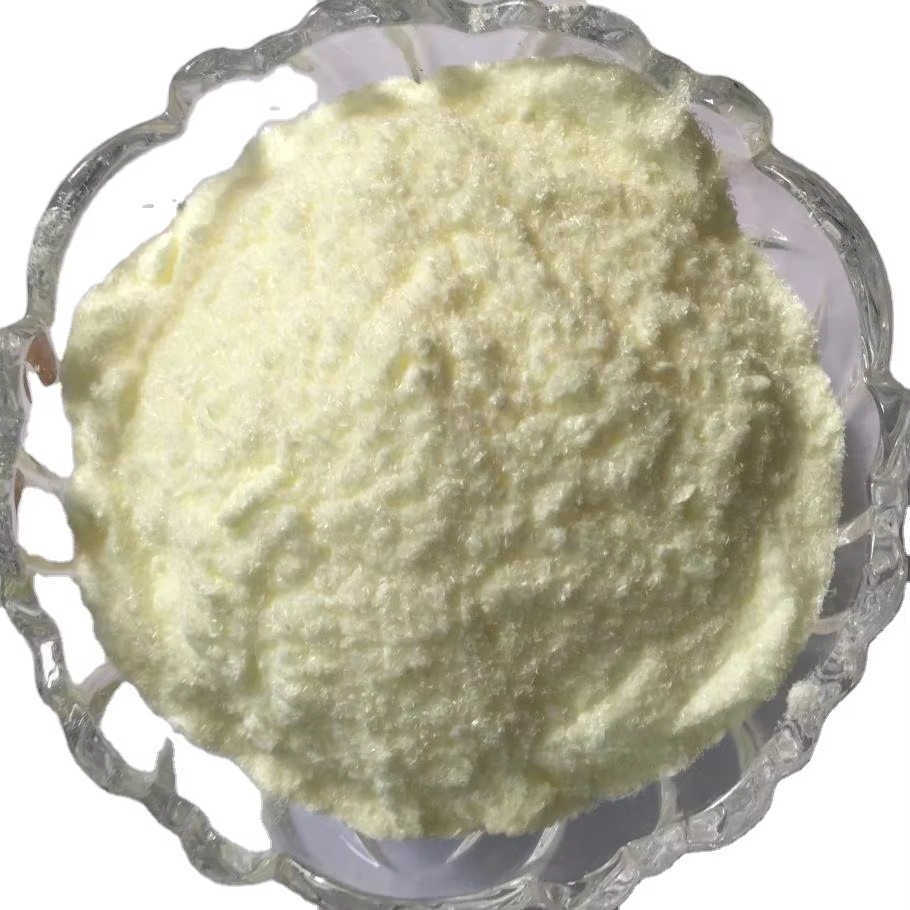
A fluorescent whitening agent (FWA) is a specialized chemical compound designed to enhance the appearance of materials by absorbing ultraviolet light and re-emitting it as visible blue light. This optical phenomenon effectively masks the natural yellowing of materials, creating a brighter, whiter appearance. These agents are widely utilized across various industries, particularly in textile manufacturing, paper production, and detergent formulation. The technology behind FWAs involves sophisticated molecular structures that interact with light waves, creating an optical brightening effect that significantly improves the visual quality of treated materials. In textile applications, FWAs penetrate fiber structures to provide lasting brightness enhancement, while in paper production, they are integrated during the manufacturing process to achieve optimal whiteness levels. The agents work by compensating for the yellowing effect that naturally occurs in many materials, effectively increasing the amount of blue light reflected and creating the impression of enhanced whiteness. Modern FWAs are designed to be both efficient and environmentally compatible, with improved stability and durability characteristics that ensure long-lasting performance across various applications.


New Products

Fluorescent whitening agents offer numerous compelling advantages that make them indispensable in modern manufacturing processes. First, they provide superior brightness enhancement compared to traditional bleaching methods, achieving a level of whiteness that would be impossible through conventional processes alone. The application process is highly efficient, requiring minimal additional steps in existing production lines, which translates to cost-effective implementation. These agents demonstrate excellent stability across various pH levels and temperatures, ensuring consistent performance in different manufacturing environments. In textile applications, FWAs exhibit exceptional durability, maintaining their brightening effect even after multiple wash cycles, which significantly extends the lifetime of treated products. The versatility of these agents allows for their use across multiple substrates, from natural fibers to synthetic materials, making them highly adaptable to different manufacturing needs. From an environmental perspective, modern FWAs are designed to be eco-friendly, with reduced water consumption requirements and minimal environmental impact. Their ability to work at lower temperatures compared to traditional bleaching methods results in energy savings and reduced carbon footprint. Additionally, these agents enhance product quality without compromising material integrity, preventing the degradation often associated with harsh chemical treatments.

Latest News

 What Are the Functions of Stearates in PVC Compounding

11

Sep

What Are the Functions of Stearates in PVC Compounding

Understanding the Essential Role of Stearates in PVC Processing In the world of polymer processing, stearates in PVC compounding play a crucial role in determining the quality, efficiency, and performance of the final product. These versatile additiv...
View More
Can Stearates Be Used as Lubricants and Stabilizers Together

11

Sep

Can Stearates Be Used as Lubricants and Stabilizers Together

Understanding the Dual Functionality of Stearates in Industrial Applications The versatility of stearates in modern manufacturing and industrial processes has made them invaluable components across various sectors. These remarkable compounds possess ...
View More
Can Lubricants Improve Demolding in Plastic Injection Molding

22

Oct

Can Lubricants Improve Demolding in Plastic Injection Molding

Enhancing Plastic Production Through Advanced Demolding Solutions The plastic injection molding industry continuously seeks ways to optimize production efficiency and product quality. Among the most crucial aspects of this process is the demolding ph...
View More
What Is K-Value in PVC Resin and Why Does It Matter

17

Nov

What Is K-Value in PVC Resin and Why Does It Matter

The K-Value in PVC Resin represents one of the most critical parameters that determines the quality, processing characteristics, and end-use applications of polyvinyl chloride materials. This fundamental measurement serves as a primary indicator of m...
View More

Get a Free Quote

Our representative will contact you soon.
Email
Name
Company Name
Message
0/1000

fluorescent whitening agent

Enhanced Optical Performance and Durability

Enhanced Optical Performance and Durability

The advanced molecular structure of fluorescent whitening agents delivers exceptional optical performance through a sophisticated light interaction mechanism. When applied to materials, these agents create a powerful brightening effect by converting invisible ultraviolet radiation into visible blue light, effectively compensating for yellowing and achieving superior whiteness levels. This optical enhancement is not merely superficial but penetrates deep into the material structure, ensuring long-lasting results that maintain their effectiveness through multiple processing cycles and extended use. The durability of these agents is particularly noteworthy, as they maintain their brightening properties even under challenging conditions such as exposure to heat, light, and various chemical treatments.
Versatile Application Methods and Material Compatibility

Versatile Application Methods and Material Compatibility

Fluorescent whitening agents demonstrate remarkable versatility in their application methods and compatibility with various materials. These agents can be effectively incorporated into different manufacturing processes, whether through direct application, padding, exhaustion, or coating methods. Their unique chemical properties allow them to bond effectively with both natural and synthetic fibers, creating strong molecular interactions that ensure optimal performance across diverse material types. This versatility extends to their compatibility with various processing conditions, including different pH levels, temperatures, and chemical environments, making them suitable for integration into existing production lines without requiring significant modifications to established procedures.
Cost-Effective Production Enhancement

Cost-Effective Production Enhancement

The implementation of fluorescent whitening agents represents a highly cost-effective solution for improving product quality and visual appeal. These agents achieve superior whitening results with minimal material consumption, reducing the overall cost per unit of production. Their efficient application process minimizes energy requirements and processing time, contributing to improved production efficiency and reduced operational costs. The long-lasting nature of the brightening effect means fewer reapplication requirements, resulting in material savings over time. Additionally, the ability to achieve higher quality standards without expensive equipment upgrades or process modifications makes these agents an economically attractive solution for manufacturers seeking to enhance their product offerings while maintaining competitive pricing structures.

Get a Free Quote

Our representative will contact you soon.
Email
Name
Company Name
Message
0/1000