
 EN
EN
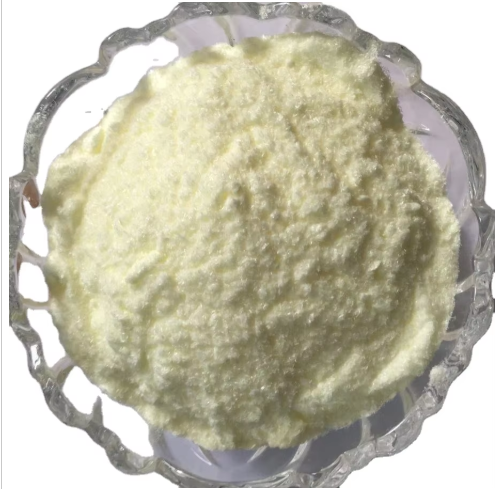
Plastic injection molding presents numerous challenges throughout the manufacturing process, with demolding representing one of the most critical stages that can significantly impact production efficiency and product quality. The successful release of molded parts from their cavities depends heavily on various factors, including mold design, processing parameters, and the strategic use of specialized additives. Among these solutions, demolding lubricants have emerged as essential components that facilitate smooth part ejection while maintaining dimensional accuracy and surface finish quality. Understanding how these specialized formulations work and their proper application can transform problematic production runs into streamlined manufacturing operations.
Understanding Demolding Challenges in Injection Molding
Common Demolding Problems
Manufacturing professionals frequently encounter a range of demolding issues that can compromise both productivity and part quality. Sticking occurs when molded parts adhere to cavity surfaces, requiring excessive ejection forces that may damage delicate features or cause dimensional distortion. Surface defects such as drag marks, scratches, and ejector pin marks often result from inadequate lubrication during the release process. Additionally, incomplete filling of complex geometries can create areas where material bonds strongly to the mold surface, making separation particularly challenging.
Temperature variations across the mold surface contribute significantly to inconsistent demolding performance. Hot spots can cause localized material degradation and increased adhesion, while cooler areas may result in incomplete curing that leads to part deformation during ejection. The complexity of modern part designs, featuring thin walls, deep draws, and intricate undercuts, further exacerbates these challenges by creating areas where conventional ejection systems struggle to provide adequate force distribution.
Impact on Production Efficiency
Demolding difficulties create cascading effects throughout the manufacturing process, beginning with extended cycle times that reduce overall throughput. Operators must often pause production to address stuck parts, clean mold surfaces, or adjust processing parameters, leading to significant downtime costs. Quality issues stemming from poor demolding can result in higher rejection rates, increased material waste, and additional labor requirements for secondary operations such as deflashing or surface refinishing.
The economic impact extends beyond immediate production costs to include accelerated mold wear, increased maintenance requirements, and potential damage to expensive tooling. Parts that require excessive ejection forces may suffer from stress concentrations that compromise long-term performance, particularly in applications where mechanical properties are critical. These factors collectively emphasize the importance of implementing effective demolding strategies that address root causes rather than merely treating symptoms.
The Science Behind Demolding Lubricants
Chemical Composition and Mechanisms
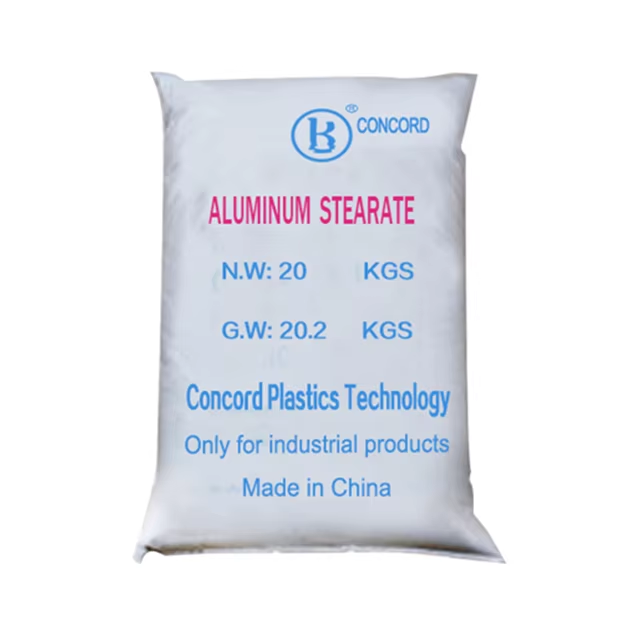
Demolding lubricants function through sophisticated chemical mechanisms that reduce friction and adhesion between molded parts and cavity surfaces. These formulations typically contain fatty acid derivatives, metallic stearates, and specialized polymeric compounds that create microscopic boundary layers during processing. The molecular structure of these additives allows them to orient preferentially at interfaces, forming protective films that prevent direct contact between the polymer matrix and mold surface.
The effectiveness of demolding lubricants depends on their ability to maintain stability under processing conditions while providing consistent release properties throughout production runs. Advanced formulations incorporate synergistic blends that optimize performance across varying temperature ranges and processing speeds. The selection of specific lubricant types must consider compatibility with base polymers, regulatory requirements, and end-use application demands to ensure optimal results without compromising material properties.
Temperature and Processing Considerations
Processing temperature plays a crucial role in demolding lubricant performance, affecting both activation mechanisms and distribution patterns within the polymer matrix. Higher temperatures generally improve lubricant mobility and surface migration, enhancing release characteristics but potentially causing thermal degradation of sensitive components. Optimal temperature ranges vary significantly among different lubricant chemistries, requiring careful selection based on specific processing conditions and material requirements.
The timing of lubricant activation during the molding cycle influences its effectiveness in facilitating part release. Some formulations begin functioning during the filling stage, creating lubricious conditions throughout the process, while others activate primarily during cooling and solidification phases. Understanding these temporal aspects enables processors to optimize cycle parameters and lubricant concentrations for maximum benefit while minimizing potential negative effects on part properties or surface appearance.
Types and Applications of Demolding Lubricants
External Release Agents
External release agents represent one category of demolding solutions applied directly to mold surfaces before each cycle or at regular intervals. These formulations include silicone-based sprays, fluoropolymer coatings, and water-based emulsions that create temporary barrier layers between the mold and molded material. While effective for many applications, external agents require careful application to maintain consistent coverage and may introduce contamination risks if not properly managed.
The selection of external release agents must consider mold geometry, accessibility for application, and compatibility with downstream processes such as painting, bonding, or assembly operations. Residual release agent films can interfere with these secondary processes, necessitating additional cleaning steps or specialized formulations designed to minimize surface contamination. Modern external agents increasingly feature low-residue formulations that provide effective release while maintaining compatibility with post-molding operations.
Internal Lubricant Systems
Internal lubricant systems offer significant advantages over external applications by incorporating release functionality directly into the polymer formulation. These systems eliminate the need for mold treatment between cycles, reducing labor requirements and ensuring consistent performance throughout production runs. Internal demolding lubricants work by migrating to part surfaces during processing, creating self-releasing characteristics that improve both efficiency and part quality.
The development of internal systems requires careful consideration of lubricant loading levels, polymer compatibility, and processing effects. Excessive concentrations can negatively impact mechanical properties, while insufficient levels may not provide adequate release performance. Modern internal lubricants feature controlled-release mechanisms that optimize surface migration timing and maintain effectiveness across varying processing conditions and cycle lengths.
Implementation Strategies and Best Practices
Dosage Optimization
Determining optimal dosage levels for demolding lubricants requires systematic evaluation of performance parameters, cost considerations, and quality requirements. Starting with manufacturer recommendations provides a baseline, but actual optimal levels often vary based on specific mold designs, processing conditions, and part complexity. Gradual adjustment approaches allow processors to identify minimum effective concentrations while avoiding over-dosing that may compromise material properties or increase costs unnecessarily.
Regular monitoring of key performance indicators helps maintain optimal dosage levels throughout production campaigns. These metrics include ejection force measurements, cycle time variations, part quality assessments, and mold wear evaluations. Implementing feedback control systems enables automatic adjustment of lubricant addition rates based on real-time performance data, ensuring consistent results while minimizing material consumption and associated costs.
Quality Control and Monitoring
Effective quality control programs for demolding lubricant applications encompass both incoming material verification and process monitoring protocols. Incoming inspection procedures should validate lubricant specifications, including chemical composition, physical properties, and storage stability characteristics. Batch-to-batch consistency verification helps identify potential supply chain issues before they impact production quality or efficiency.
Process monitoring systems track multiple parameters that influence demolding performance, including lubricant feed rates, distribution uniformity, and activation temperatures. Advanced monitoring approaches incorporate real-time feedback from ejection systems, temperature sensors, and quality inspection stations to provide comprehensive performance assessments. This data enables proactive adjustments that prevent quality issues while optimizing overall processing efficiency.
Troubleshooting Common Issues
Addressing Inconsistent Performance
Inconsistent demolding performance often stems from variations in lubricant distribution, processing conditions, or mold surface conditions. Systematic troubleshooting begins with identifying patterns in performance variations, such as correlation with specific cavity locations, time periods, or material lot changes. This analysis helps isolate root causes and focus corrective actions on the most impactful factors affecting demolding lubricant effectiveness.
Common solutions include improving mixing systems to ensure uniform lubricant distribution, implementing temperature control measures to maintain consistent activation conditions, and establishing regular mold maintenance schedules to prevent surface contamination buildup. Advanced troubleshooting may involve lubricant chemistry modifications, processing parameter optimization, or mold design improvements to address specific performance challenges.
Resolving Compatibility Problems
Compatibility issues between demolding lubricants and base polymers can manifest as processing difficulties, property degradation, or appearance defects. These problems often arise when switching lubricant suppliers, changing polymer grades, or modifying processing conditions without adequate evaluation of system interactions. Comprehensive compatibility testing protocols help identify potential issues before full-scale implementation.
Resolution strategies typically involve reformulating lubricant blends to improve compatibility, adjusting processing parameters to optimize system interactions, or implementing staged transition protocols when changing lubricant systems. Close collaboration with lubricant suppliers provides access to technical expertise and alternative formulations that may better suit specific application requirements while maintaining desired performance characteristics.
Economic Benefits and ROI Analysis
Cost-Benefit Evaluation
Comprehensive economic analysis of demolding lubricant implementation must consider both direct costs and indirect benefits across the entire production system. Direct costs include lubricant material expenses, implementation investments, and ongoing maintenance requirements. However, these costs are often offset by significant benefits including reduced cycle times, lower rejection rates, decreased mold maintenance expenses, and improved overall equipment effectiveness.
Quantifying indirect benefits requires systematic measurement of baseline performance metrics before lubricant implementation and ongoing monitoring of improvements. Typical benefits include 10-15% cycle time reductions, 20-30% decreases in quality rejections, and 25-40% reductions in mold cleaning frequency. These improvements translate into substantial cost savings that typically provide payback periods of 3-6 months for most applications.
Long-term Value Creation
Beyond immediate operational improvements, effective demolding lubricant programs create long-term value through enhanced production capabilities and reduced total cost of ownership. Improved part quality enables access to higher-value markets and applications, while reduced mold wear extends tooling life and decreases capital replacement requirements. These factors contribute to sustained competitive advantages and improved profitability over extended periods.
Strategic implementation of advanced demolding lubricant technologies positions manufacturers to capitalize on emerging opportunities in precision molding, complex geometries, and high-performance materials. The foundation of reliable demolding capabilities enables expansion into challenging applications that may not be feasible without effective release solutions, creating new revenue opportunities and market differentiation advantages.
Future Developments and Innovations
Advanced Formulation Technologies
Emerging developments in demolding lubricant technology focus on smart formulations that respond dynamically to processing conditions, providing optimal performance across varying operational parameters. These advanced systems incorporate temperature-sensitive activation mechanisms, controlled-release technologies, and multi-functional additives that address multiple processing challenges simultaneously. Research continues into bio-based alternatives that provide environmental benefits while maintaining or improving performance characteristics.
Nanotechnology applications are opening new possibilities for demolding lubricant design, enabling precise control over surface interactions and release mechanisms. These innovations promise enhanced performance at lower dosage levels, reduced environmental impact, and improved compatibility with advanced polymer systems. The integration of smart materials and responsive formulations represents the next generation of demolding solutions for increasingly demanding applications.
Industry Integration Trends
The integration of demolding lubricant systems with Industry 4.0 technologies enables real-time optimization and predictive maintenance capabilities that maximize performance while minimizing costs. Smart dispensing systems automatically adjust lubricant addition rates based on process feedback, while machine learning algorithms identify optimal formulations and dosage levels for specific applications. These developments support the trend toward automated, self-optimizing manufacturing systems.
Collaborative approaches between lubricant suppliers, equipment manufacturers, and end users are driving innovation in integrated solutions that address complete processing challenges rather than individual components. This holistic approach enables development of optimized systems that deliver superior performance while simplifying implementation and maintenance requirements for manufacturing organizations.
FAQ
What is the typical dosage range for demolding lubricants in injection molding applications
Typical dosage ranges for demolding lubricants vary from 0.1% to 2.0% by weight depending on the specific formulation, polymer type, and application requirements. Most applications achieve optimal results with concentrations between 0.3% and 0.8%, though complex geometries or difficult-to-release materials may require higher levels. Starting with manufacturer recommendations and adjusting based on performance testing provides the best approach for determining optimal dosage levels.
How do demolding lubricants affect the mechanical properties of molded parts
When properly selected and applied at appropriate dosage levels, demolding lubricants typically have minimal impact on mechanical properties. However, excessive concentrations can reduce tensile strength, impact resistance, and other properties depending on the base polymer and lubricant chemistry. Comprehensive testing should evaluate property effects alongside demolding performance to ensure optimal balance between release characteristics and material performance requirements.
Can demolding lubricants be used with all types of thermoplastic materials
While demolding lubricants are compatible with most thermoplastic materials, specific formulations may work better with certain polymer families. Engineering plastics often require specialized lubricant chemistries due to their processing conditions and property requirements, while commodity plastics typically accept a wider range of formulations. Compatibility testing with specific polymer grades ensures optimal performance and avoids potential processing or property issues.
What are the key factors to consider when selecting a demolding lubricant system
Key selection factors include polymer compatibility, processing temperature requirements, regulatory compliance needs, and end-use application demands. Mold complexity, production volume, and quality requirements also influence lubricant selection. Environmental considerations, cost constraints, and supplier support capabilities round out the evaluation criteria that should guide demolding lubricant system selection decisions for specific applications.
Table of Contents
- Understanding Demolding Challenges in Injection Molding
- The Science Behind Demolding Lubricants
- Types and Applications of Demolding Lubricants
- Implementation Strategies and Best Practices
- Troubleshooting Common Issues
- Economic Benefits and ROI Analysis
- Future Developments and Innovations
-
FAQ
- What is the typical dosage range for demolding lubricants in injection molding applications
- How do demolding lubricants affect the mechanical properties of molded parts
- Can demolding lubricants be used with all types of thermoplastic materials
- What are the key factors to consider when selecting a demolding lubricant system