
 EN
EN
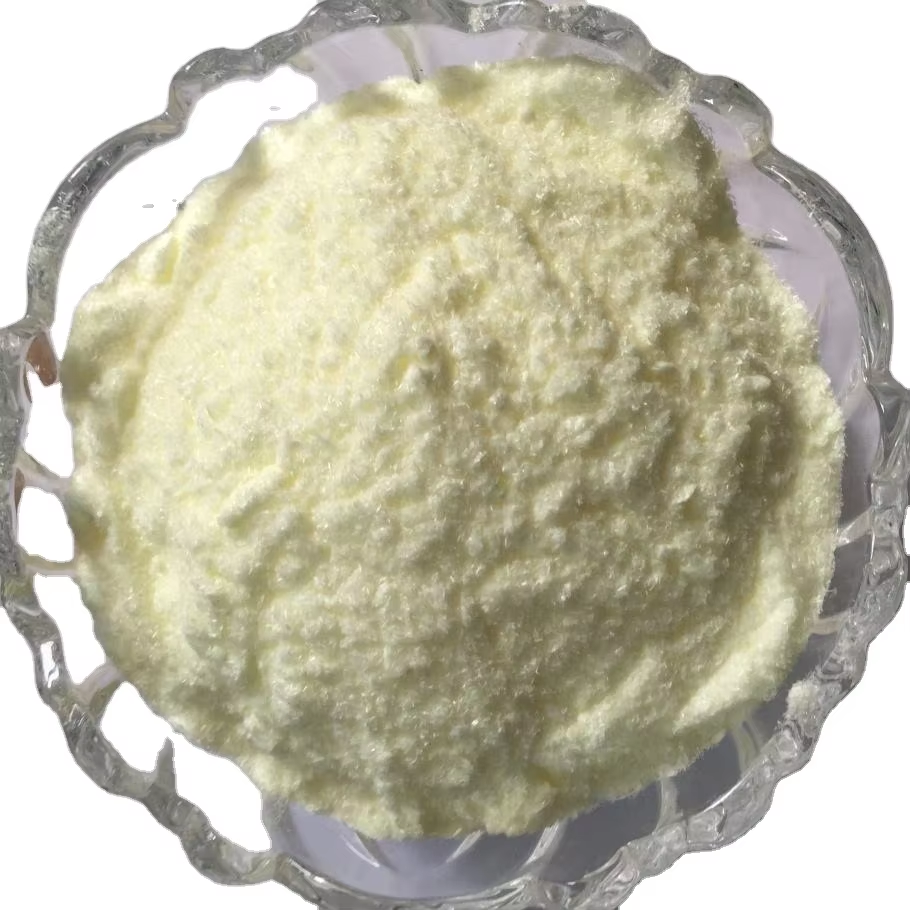
The selection of appropriate pvc stabilizer systems represents one of the most critical decisions in polyvinyl chloride processing, directly impacting product performance, longevity, and compliance with regulatory standards. Modern PVC processors must navigate complex formulation requirements while balancing cost considerations, processing conditions, and end-use application demands. Understanding the intricate relationship between stabilizer chemistry and polymer behavior enables manufacturers to optimize their formulations for specific market segments and performance criteria.
The fundamental challenge in pvc stabilizer selection lies in matching stabilizer properties with the thermal and mechanical stresses encountered during processing. Each application presents unique requirements that influence stabilizer choice, from rigid pipe extrusion demanding exceptional heat resistance to flexible film applications requiring transparency and flexibility retention. Processors must evaluate multiple factors simultaneously, including processing temperature profiles, residence times, shear rates, and the presence of other additives that may interact with the stabilizer system.
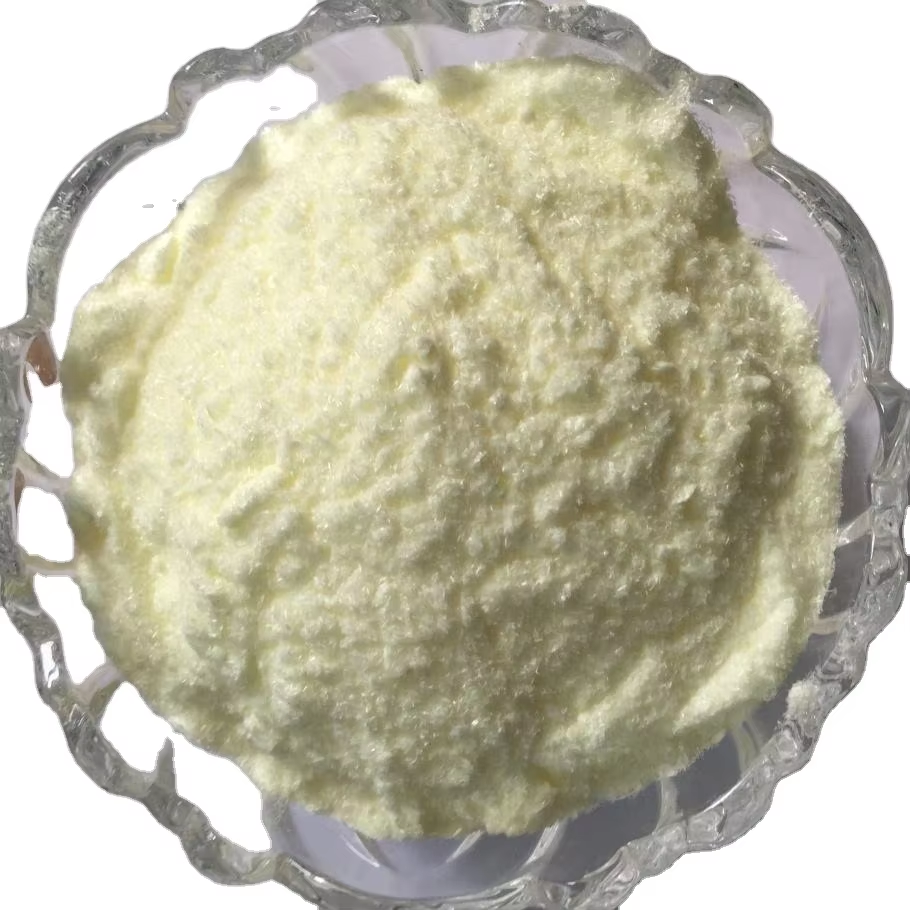
Understanding PVC Degradation Mechanisms
Thermal Degradation Pathways
Polyvinyl chloride undergoes predictable degradation reactions when exposed to elevated temperatures during processing, making effective pvc stabilizer selection essential for maintaining polymer integrity. The primary degradation mechanism involves the elimination of hydrogen chloride, which creates conjugated double bonds along the polymer chain and leads to color formation and property deterioration. This autocatalytic process accelerates as processing temperatures increase, requiring stabilizers that can effectively neutralize acidic byproducts and interrupt the degradation cycle.
The formation of conjugated polyene sequences not only affects color development but also compromises mechanical properties and UV stability in the final product. Advanced pvc stabilizer formulations incorporate multiple active components designed to address different aspects of the degradation process, including acid scavengers, primary stabilizers, and co-stabilizers that work synergistically to provide comprehensive protection. Understanding these degradation pathways enables processors to select stabilizer systems that target specific vulnerability points in their particular processing conditions.
Environmental Stress Factors
Beyond thermal exposure, PVC formulations must withstand various environmental stresses that can accelerate degradation and compromise long-term performance. Ultraviolet radiation, oxidative environments, and chemical exposure create additional challenges that influence pvc stabilizer selection criteria. Outdoor applications require stabilizers with enhanced UV absorption capabilities, while food-contact applications demand systems that meet strict migration limits and safety requirements.
Moisture exposure presents another critical consideration, as hydrolysis reactions can affect both the polymer matrix and stabilizer effectiveness over time. Processors working with applications exposed to high humidity or direct water contact must prioritize stabilizer systems with proven hydrolytic stability and barrier properties. The interaction between multiple stress factors often creates synergistic effects that can overwhelm inadequately designed stabilizer systems, emphasizing the importance of comprehensive testing and validation.
Stabilizer Chemistry and Performance Characteristics
Metal-Based Stabilizer Systems
Traditional metal-based pvc stabilizer systems, including calcium-zinc, barium-zinc, and lead-based formulations, continue to dominate many industrial applications due to their proven performance characteristics and cost-effectiveness. Calcium-zinc systems have gained significant market acceptance as environmentally friendly alternatives that provide excellent heat stability and processing characteristics across a wide range of applications. These systems typically incorporate organic co-stabilizers and processing aids to optimize performance and processing behavior.
The selection between different metal-based systems often depends on specific application requirements and regulatory constraints. Barium-zinc systems offer superior heat stability for demanding processing conditions but face increasing regulatory scrutiny in certain markets. Lead-based stabilizers, while highly effective, are being phased out in many regions due to environmental and health concerns, driving the development of alternative pvc stabilizer technologies that can match their performance characteristics.
Organic Stabilizer Technologies
Organic pvc stabilizer systems represent an increasingly important category, particularly for applications requiring exceptional clarity, color retention, and regulatory compliance. These systems typically rely on complex organic molecules that can effectively scavenge hydrogen chloride while providing additional benefits such as UV protection and antioxidant properties. Organic stabilizers often demonstrate superior migration resistance, making them ideal for food packaging and medical applications.
The development of advanced organic stabilizer technologies has expanded the possibilities for specialized applications requiring unique performance characteristics. Some organic systems offer enhanced compatibility with other additives, improved processing stability, or specific functional properties that cannot be achieved with traditional metal-based systems. However, organic pvc stabilizer systems often command premium pricing and may require modified processing parameters to achieve optimal performance.
Application-Specific Selection Criteria
Rigid PVC Applications
Rigid PVC applications, including pipe, profile, and sheet extrusion, present distinct challenges that influence pvc stabilizer selection priorities. These applications typically involve high processing temperatures, extended residence times, and demanding mechanical property requirements that necessitate robust stabilizer systems with proven long-term performance. Heat stability becomes the primary selection criterion, as inadequate stabilization can result in color development, degradation, and processing difficulties that compromise product quality.
The selection process for rigid applications must also consider the impact of stabilizer choice on mechanical properties, particularly impact strength and weatherability. Some pvc stabilizer systems can enhance impact properties through synergistic interactions with impact modifiers, while others may provide superior UV protection for outdoor applications. Processors must balance these performance attributes with cost considerations and processing compatibility to achieve optimal formulation design.
Flexible PVC Formulations
Flexible PVC applications introduce additional complexity to pvc stabilizer selection due to the presence of plasticizers and the need to maintain flexibility and transparency over extended service life. Stabilizer-plasticizer interactions can significantly influence both processing behavior and long-term performance, requiring careful evaluation of compatibility and migration characteristics. Transparency retention becomes crucial for many flexible applications, favoring stabilizer systems that minimize color formation and haze development.
The migration characteristics of stabilizer components assume particular importance in flexible applications, especially those involving food contact or medical use. Processors must select pvc stabilizer systems with proven migration resistance and regulatory approval for their intended applications. Additionally, the flexibility retention over time depends partly on stabilizer effectiveness in preventing polymer degradation that can lead to stiffening and embrittlement.
Processing Considerations and Compatibility
Temperature Profile Optimization
The relationship between processing temperature profiles and pvc stabilizer performance requires careful consideration during formulation development. Different stabilizer systems exhibit varying activation temperatures and thermal stability windows, influencing their effectiveness under specific processing conditions. Processors must match stabilizer thermal characteristics with their equipment capabilities and processing requirements to achieve optimal results.
High-temperature processing applications may require specialized pvc stabilizer formulations designed to maintain effectiveness under extreme thermal stress. Conversely, low-temperature processing may benefit from stabilizers with enhanced activation at moderate temperatures, ensuring adequate protection throughout the processing cycle. The thermal history of the material, including heat exposure during multiple processing steps, must be considered when selecting appropriate stabilizer systems.
Additive Interactions and Synergies
Modern PVC formulations typically incorporate multiple additives beyond stabilizers, including impact modifiers, processing aids, lubricants, and colorants, creating a complex system where interactions can significantly influence overall performance. Effective pvc stabilizer selection requires understanding potential synergistic or antagonistic effects with other formulation components. Some combinations can enhance stabilizer effectiveness, while others may compromise performance or create processing difficulties.
The timing of additive incorporation during compounding can also influence stabilizer performance and should be considered during formulation design. Certain processing aids may enhance stabilizer dispersion and effectiveness, while others might interfere with stabilizer-polymer interactions. Comprehensive compatibility testing becomes essential when developing new formulations or modifying existing systems to ensure optimal performance across all additive interactions.
Economic and Regulatory Factors
Cost-Performance Analysis
The economic evaluation of pvc stabilizer options extends beyond simple raw material costs to include processing efficiency, product quality, and long-term performance considerations. Higher-performance stabilizer systems may command premium pricing but often provide value through improved processing characteristics, reduced scrap rates, and enhanced product durability. Processors must develop comprehensive cost models that account for total system performance rather than focusing solely on stabilizer acquisition costs.
Processing efficiency improvements achievable with optimized pvc stabilizer selection can significantly impact overall manufacturing costs through reduced cycle times, improved product consistency, and decreased maintenance requirements. Additionally, enhanced product performance may enable premium pricing or expanded market opportunities that justify higher stabilizer costs. Long-term considerations, including warranty obligations and customer satisfaction, should factor into stabilizer selection decisions.
Regulatory Compliance Requirements
Regulatory requirements significantly influence pvc stabilizer selection, particularly for applications involving food contact, drinking water systems, medical devices, or children's products. Different markets impose varying restrictions on stabilizer chemistry, migration limits, and safety testing requirements that must be incorporated into selection criteria. Compliance with multiple regulatory frameworks may necessitate different stabilizer systems for similar applications in different geographic markets.
The evolving regulatory landscape requires processors to anticipate future restrictions and consider the long-term availability of current stabilizer technologies. Proactive evaluation of alternative pvc stabilizer systems ensures continued market access and reduces the risk of forced reformulation due to regulatory changes. Documentation requirements and testing protocols associated with regulatory compliance should be factored into stabilizer selection decisions to ensure adequate support from suppliers.
Testing and Validation Protocols
Laboratory Evaluation Methods
Comprehensive laboratory testing protocols enable processors to evaluate pvc stabilizer performance systematically and make informed selection decisions based on objective data. Standard test methods, including Congo Red stability testing, thermal analysis, and accelerated aging studies, provide quantitative measures of stabilizer effectiveness under controlled conditions. These tests help establish performance baselines and enable comparison between different stabilizer options.
Advanced analytical techniques, such as thermal gravimetric analysis and differential scanning calorimetry, can provide deeper insights into stabilizer behavior and degradation mechanisms. Spectroscopic methods enable monitoring of chemical changes during processing and aging, helping optimize stabilizer selection for specific applications. Proper test protocol design should simulate actual processing and service conditions as closely as possible to ensure relevant results.
Production Trial Considerations
Production-scale evaluation of pvc stabilizer systems provides essential validation that laboratory results translate effectively to commercial processing conditions. Pilot plant trials should systematically evaluate processing behavior, product quality, and performance characteristics under realistic manufacturing conditions. These trials often reveal interactions and behaviors that cannot be predicted from laboratory testing alone.
Comprehensive production trial protocols should include evaluation of color development, mechanical properties, processing stability, and long-term performance characteristics. Documentation of processing parameters, quality metrics, and any anomalies provides valuable data for final stabilizer selection and optimization. Statistical analysis of trial data helps establish confidence levels and supports decision-making processes based on quantitative performance measures.
FAQ
What factors determine the optimal pvc stabilizer loading level for a specific application
The optimal loading level depends on processing conditions, performance requirements, and cost considerations. Higher processing temperatures and longer residence times typically require increased stabilizer levels, while applications with stringent color requirements may need specialized low-loading systems. Economic optimization involves balancing stabilizer costs against processing efficiency and product performance benefits.
How do processors evaluate compatibility between different pvc stabilizer systems and other additives
Compatibility evaluation involves systematic testing of additive combinations under realistic processing conditions. Laboratory studies should examine color development, thermal stability, mechanical properties, and processing behavior. Production trials provide final validation of compatibility and help identify any unexpected interactions that could compromise formulation performance.
What testing protocols best predict long-term pvc stabilizer performance in outdoor applications
Accelerated weathering tests using xenon arc or fluorescent UV exposure provide the most reliable prediction of outdoor performance. These tests should be combined with thermal aging studies and mechanical property evaluation over time. Correlation with actual outdoor exposure data helps validate test protocols and establish performance predictions for specific stabilizer systems.
How do regulatory requirements influence pvc stabilizer selection for food contact applications
Food contact applications require stabilizers with proven safety profiles and compliance with migration limits established by regulatory agencies. Testing protocols must demonstrate that stabilizer components do not exceed allowable migration levels under intended use conditions. Documentation requirements include safety data, regulatory approvals, and ongoing compliance monitoring throughout the product lifecycle.
Table of Contents
- Understanding PVC Degradation Mechanisms
- Stabilizer Chemistry and Performance Characteristics
- Application-Specific Selection Criteria
- Processing Considerations and Compatibility
- Economic and Regulatory Factors
- Testing and Validation Protocols
-
FAQ
- What factors determine the optimal pvc stabilizer loading level for a specific application
- How do processors evaluate compatibility between different pvc stabilizer systems and other additives
- What testing protocols best predict long-term pvc stabilizer performance in outdoor applications
- How do regulatory requirements influence pvc stabilizer selection for food contact applications