
 EN
EN
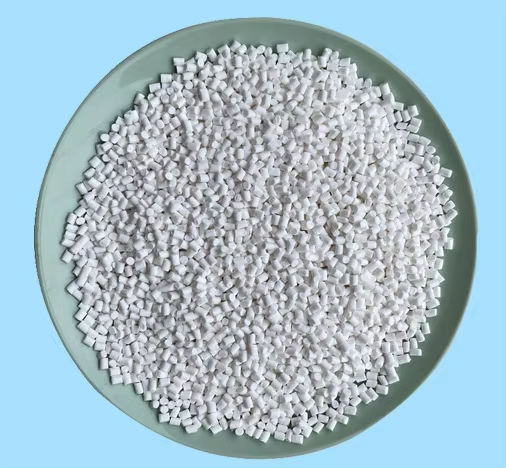
Industrial buyers face critical decisions when selecting calcium stearate for manufacturing applications. This versatile chemical compound serves as an essential additive in PVC formulations and rubber production processes. Understanding the selection criteria ensures optimal performance, cost-effectiveness, and regulatory compliance across various industrial applications. Modern manufacturing demands require buyers to evaluate multiple factors including purity levels, particle size distribution, and supplier reliability when sourcing calcium stearate.
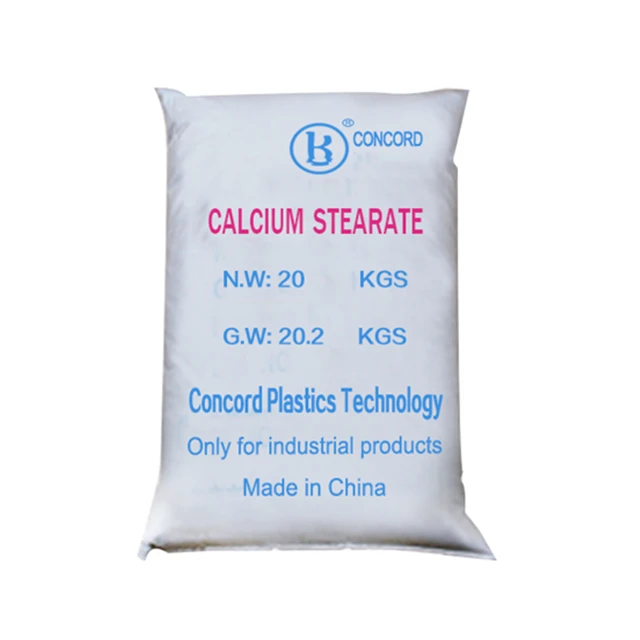
The global market for calcium stearate continues expanding as industries recognize its multifunctional benefits. This compound functions as a lubricant, stabilizer, and processing aid across numerous applications. Buyers must navigate complex technical specifications while balancing performance requirements against budget constraints. Strategic sourcing decisions directly impact product quality, manufacturing efficiency, and overall operational costs in competitive markets.
Technical Specifications and Quality Parameters
Purity Standards and Chemical Composition
Calcium stearate purity significantly influences performance characteristics in end-use applications. Industrial-grade materials typically contain 95-98% active ingredient, while pharmaceutical applications may require higher purity levels exceeding 99%. The remaining composition includes trace amounts of palmitic acid, water content, and metallic impurities. Buyers should request detailed certificates of analysis showing exact chemical composition, including heavy metal content and organic volatiles.
Moisture content represents another critical parameter affecting product stability and processing characteristics. Optimal calcium stearate formulations maintain moisture levels below 2% to prevent caking and ensure consistent flowability. Higher water content can lead to hydrolysis reactions, compromising the material's effectiveness as a processing aid. Quality suppliers implement rigorous testing protocols to verify moisture specifications throughout storage and transportation phases.
Physical Properties and Particle Characteristics
Particle size distribution directly impacts dispersibility and processing performance in polymer matrices. Fine particle grades with average sizes below 5 microns provide superior mixing characteristics and uniform distribution. Coarser grades may offer advantages in specific applications requiring controlled release properties or reduced dusting during handling. Buyers should specify particle size requirements based on processing equipment capabilities and end-product performance expectations.
Bulk density and flowability characteristics influence material handling, storage requirements, and metering accuracy in automated systems. Premium calcium stearate grades exhibit consistent flow properties, reducing bridging and segregation issues in hoppers and conveying systems. Surface treatment modifications can enhance flow characteristics while maintaining chemical stability and performance attributes essential for demanding industrial applications.
PVC Application Requirements
Heat Stabilization Performance
In PVC formulations, calcium stearate functions as a heat stabilizer, preventing thermal degradation during processing. The compound neutralizes hydrochloric acid generated during PVC decomposition, extending processing windows and improving color retention. Effective stabilization requires precise calcium stearate loading levels, typically ranging from 0.5 to 2.0 parts per hundred resin depending on processing conditions and end-use requirements.
Temperature stability becomes crucial for high-temperature processing applications such as pipe extrusion and injection molding. Quality calcium stearate maintains effectiveness at elevated temperatures while minimizing plate-out and equipment fouling. Buyers should evaluate thermal stability data and processing trial results to ensure compatibility with specific PVC processing parameters and equipment configurations.
Lubrication and Processing Aid Functions
External lubrication properties of calcium stearate reduce friction between PVC melt and processing equipment surfaces. This lubrication effect improves processing efficiency, reduces energy consumption, and extends equipment life by minimizing wear and corrosion. Optimal lubrication balance prevents excessive slip while maintaining adequate shear for proper mixing and homogenization of PVC compounds.
Processing aid functionality enhances melt flow characteristics and surface finish quality in extruded and molded PVC products. Calcium stearate promotes uniform melt temperature distribution, reducing gel formation and improving optical properties in clear applications. The compound also contributes to dimensional stability and surface smoothness, critical factors for high-quality PVC products in construction and consumer applications.
Rubber Industry Applications
Release Agent Properties
Calcium stearate serves as an effective mold release agent in rubber manufacturing processes. The compound creates a thin lubricating film between rubber compounds and mold surfaces, facilitating easy part removal while preventing surface defects. Proper release agent performance requires uniform distribution and compatibility with various rubber formulations including natural rubber, synthetic elastomers, and specialty compounds.
Anti-tack properties of calcium stearate prevent premature adhesion between rubber surfaces during storage and handling. This characteristic proves essential for sheet rubber products, gaskets, and sealing applications where surface quality and handling convenience impact manufacturing efficiency. Buyers should evaluate anti-tack performance under relevant temperature and humidity conditions anticipated during production and storage phases.
Compounding and Processing Benefits
In rubber compounding, calcium stearate improves mixing efficiency and reduces energy requirements during mastication and mixing operations. The compound reduces internal friction within rubber compounds, enabling better ingredient dispersion and shorter mixing cycles. Enhanced processing characteristics translate into improved productivity and reduced manufacturing costs for rubber product manufacturers.
Calcium stearate contributes to improved flow characteristics during calendering and extrusion operations. The compound reduces die swell and improves surface finish quality in extruded rubber products. Processing temperature requirements may be reduced due to enhanced flow properties, providing energy savings and improved dimensional control in precision rubber components.
Supplier Evaluation Criteria
Manufacturing Capabilities and Quality Systems
Supplier manufacturing capabilities directly impact product consistency and supply chain reliability. Established calcium stearate manufacturers typically operate automated production systems with integrated quality control monitoring. Buyers should assess production capacity, equipment condition, and process control capabilities to ensure consistent product quality and reliable delivery performance throughout long-term supply relationships.
Quality management systems certification provides assurance of consistent manufacturing practices and product quality. ISO 9001 certification represents baseline quality management requirements, while industry-specific certifications such as IATF 16949 for automotive applications may be necessary for certain end-use markets. Comprehensive quality systems include incoming material inspection, in-process monitoring, and finished product testing protocols.
Technical Support and Application Development
Technical support capabilities enable successful implementation and optimization of calcium stearate in specific applications. Experienced suppliers provide formulation guidance, processing recommendations, and troubleshooting assistance throughout product development phases. Application laboratories equipped with relevant testing equipment facilitate product evaluation and performance optimization for customer-specific requirements.
Regulatory compliance support becomes increasingly important as environmental and safety regulations evolve. Qualified suppliers maintain current regulatory status information, provide necessary documentation for compliance reporting, and offer guidance on regulatory changes affecting calcium stearate use in various applications and geographic markets.
Cost Considerations and Economic Factors
Total Cost of Ownership Analysis
Effective calcium stearate selection requires comprehensive total cost analysis extending beyond initial purchase price. Processing efficiency improvements, reduced waste generation, and enhanced product quality can offset higher material costs through improved operational performance. Buyers should quantify these benefits when comparing supplier proposals and establishing long-term sourcing strategies.
Supply chain costs including transportation, inventory carrying costs, and supply risk factors influence overall economic impact. Local or regional suppliers may offer advantages in transportation costs and supply security, while global suppliers might provide competitive pricing and specialized product grades. Balanced sourcing strategies consider both cost factors and supply security requirements.
Volume-Based Pricing and Contract Strategies
Volume commitments typically enable more favorable calcium stearate pricing through economies of scale and supply chain optimization. Annual contracts with minimum purchase commitments provide price stability and supply security while enabling suppliers to optimize production planning and inventory management. Buyers should evaluate volume requirements and negotiate appropriate contract terms balancing price benefits with flexibility needs.
Market price volatility for raw materials including stearic acid and calcium compounds can impact calcium stearate pricing throughout contract periods. Price escalation clauses linked to raw material indices provide transparency and fair allocation of cost fluctuations between buyers and suppliers. Long-term partnerships with reliable suppliers often provide better price stability and supply security than spot market purchasing.
FAQ
What purity level of calcium stearate is required for PVC applications
PVC applications typically require calcium stearate with minimum 95% purity, though many manufacturers prefer 97-98% purity grades for optimal performance. Higher purity levels ensure consistent heat stabilization and lubrication properties while minimizing impurities that could cause discoloration or processing issues. Food-grade PVC applications may require pharmaceutical-grade calcium stearate with purity levels exceeding 99%.
How does particle size affect calcium stearate performance in rubber compounds
Smaller particle sizes generally provide better dispersion and more uniform distribution throughout rubber compounds. Fine grades with average particle sizes below 5 microns offer superior mixing characteristics and enhanced performance as release agents. However, extremely fine particles may increase dusting during handling and require modified storage and conveying systems to maintain workplace safety standards.
What storage conditions are recommended for calcium stearate
Calcium stearate should be stored in cool, dry conditions with relative humidity below 60% to prevent moisture absorption and caking. Storage temperatures should remain below 25°C to maintain product stability and flow characteristics. Proper packaging in moisture-resistant containers and good warehouse ventilation help maintain product quality throughout extended storage periods.
Can calcium stearate be used in food-contact applications
Food-grade calcium stearate meeting FDA regulations can be used in food-contact applications within specified limits. This includes use as a processing aid in polymer food packaging materials and as an anti-caking agent in certain food formulations. Buyers must ensure compliance with relevant food contact regulations and obtain appropriate documentation from suppliers confirming food-grade status and regulatory compliance.