
 EN
EN
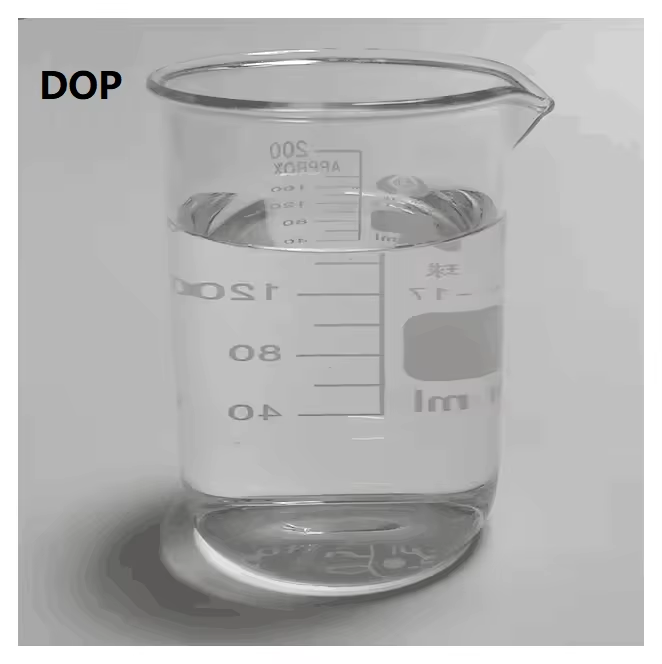
The selection of dop plasticizer plays a crucial role in determining the overall processing performance and final product quality in PVC manufacturing operations. Understanding the specific characteristics and compatibility factors of dop plasticizer enables manufacturers to optimize their production processes while achieving desired material properties. The impact of dop plasticizer selection extends beyond basic flexibility enhancement, affecting processing temperatures, fusion characteristics, and mechanical performance of finished PVC products.
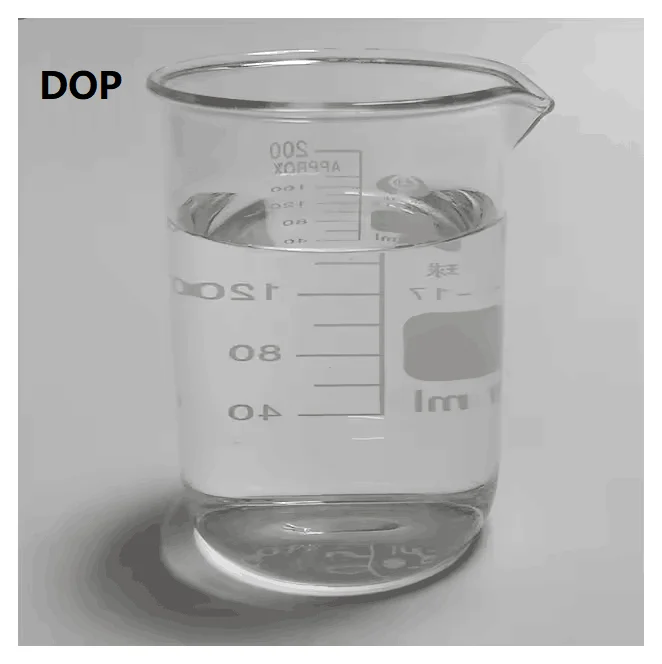
Modern PVC processing demands precise control over material flow properties, thermal stability, and processing window parameters. The choice of dop plasticizer directly influences these critical processing variables, making proper selection essential for consistent production outcomes. Manufacturers must consider multiple factors including compatibility with PVC resin, processing temperature requirements, and end-use application demands when evaluating different dop plasticizer options.
Processing Temperature Considerations with DOP Plasticizer
Fusion Temperature Requirements
The fusion temperature behavior of PVC compounds varies significantly based on the specific dop plasticizer selection and concentration levels used in the formulation. Primary plasticizers like dop plasticizer typically reduce the fusion temperature of PVC, enabling processing at lower temperatures while maintaining adequate flow properties. This temperature reduction effect helps prevent thermal degradation of the polymer matrix during processing operations.
Different grades of dop plasticizer exhibit varying degrees of compatibility with PVC resin, directly affecting the fusion temperature profile during processing. Higher compatibility plasticizers generally provide more efficient plasticization at lower concentrations, resulting in improved processing characteristics and reduced energy consumption during manufacturing operations.
Processing Window Optimization
The processing window represents the temperature range between fusion initiation and thermal degradation onset, which is significantly influenced by dop plasticizer selection. Optimal dop plasticizer choice expands this processing window, providing manufacturers with greater operational flexibility and reduced risk of product defects. The molecular structure and purity level of the dop plasticizer directly impact the width and stability of this critical processing parameter.
Advanced formulations utilizing high-quality dop plasticizer demonstrate improved thermal stability characteristics, allowing for extended processing times without significant property degradation. This enhanced stability translates to more consistent product quality and reduced waste generation during manufacturing operations, particularly in complex processing applications requiring extended residence times.
Rheological Properties and Flow Behavior
Melt Viscosity Control
The rheological behavior of PVC compounds during processing is fundamentally altered by the selection and concentration of dop plasticizer incorporated into the formulation. Proper dop plasticizer selection enables precise control over melt viscosity characteristics, facilitating optimal flow behavior for specific processing equipment and product geometries. The molecular weight distribution and chemical structure of the plasticizer directly influence the resulting rheological properties of the compound.
Manufacturers utilizing dop plasticizer formulations report improved processing consistency and reduced cycle times due to enhanced flow characteristics. The optimization of melt viscosity through appropriate plasticizer selection enables more efficient filling of complex mold geometries while minimizing internal stress development in finished products.
Shear Rate Sensitivity
The shear rate sensitivity of PVC compounds varies considerably based on the specific dop plasticizer chemistry and concentration levels employed in the formulation. Lower shear rate sensitivity generally indicates improved processing stability and more predictable flow behavior across varying processing conditions. This characteristic becomes particularly important in high-speed processing applications where shear rates can vary significantly throughout the processing cycle.
Advanced dop plasticizer formulations demonstrate reduced shear rate sensitivity compared to conventional plasticizer systems, resulting in more stable processing conditions and improved product consistency. This enhanced stability allows manufacturers to operate at higher processing speeds while maintaining acceptable product quality standards and dimensional tolerances.
Mechanical Property Development During Processing
Tensile Strength Evolution
The development of tensile strength properties in PVC products is significantly influenced by the processing conditions established through dop plasticizer selection. Optimal plasticizer choice promotes uniform polymer chain mobility during processing, facilitating proper molecular orientation and stress distribution throughout the product structure. The resulting mechanical properties reflect the effectiveness of the plasticization system in achieving desired performance characteristics.
Research demonstrates that appropriate dop plasticizer selection can enhance tensile strength development while maintaining desired flexibility characteristics. The balance between plasticization efficiency and mechanical property retention requires careful consideration of processing parameters and end-use performance requirements when selecting optimal dop plasticizer systems.
Impact Resistance Characteristics
Impact resistance properties of PVC products are closely related to the processing conditions achieved through proper dop plasticizer selection and processing parameter optimization. The molecular mobility provided by effective plasticization enhances the material's ability to absorb impact energy without catastrophic failure. This characteristic becomes particularly important in applications requiring high toughness and durability under dynamic loading conditions.
The processing history established during manufacturing with appropriate dop plasticizer formulations directly influences the final impact resistance characteristics of PVC products. Optimal processing conditions promote uniform stress distribution and minimize internal defects that could serve as crack initiation sites under impact loading conditions.
Thermal Stability and Processing Safety
Degradation Resistance
Thermal degradation resistance during PVC processing is significantly enhanced through proper dop plasticizer selection and formulation optimization. High-quality dop plasticizer systems demonstrate superior stability under processing temperatures, reducing the formation of degradation products that can compromise product quality and processing safety. The chemical structure and purity level of the plasticizer directly influence thermal stability characteristics during extended processing operations.
Advanced dop plasticizer formulations incorporate stabilizer-compatible chemistries that work synergistically with heat stabilizer systems to maximize thermal protection during processing. This compatibility ensures optimal performance of both plasticizer and stabilizer components throughout the processing cycle, resulting in enhanced product quality and extended processing capability.
Processing Safety Considerations
Safety considerations during PVC processing are directly impacted by the selection of appropriate dop plasticizer systems that minimize the generation of potentially harmful decomposition products. Modern dop plasticizer formulations are designed to maintain chemical stability under normal processing conditions while providing effective plasticization performance. The selection criteria must include evaluation of thermal decomposition characteristics and potential emission of volatile compounds during processing operations.
Manufacturers implementing high-quality dop plasticizer systems report improved workplace safety conditions due to reduced emissions and enhanced processing stability. The optimization of processing conditions through appropriate plasticizer selection contributes to overall manufacturing safety while maintaining productivity and product quality standards.
Quality Control and Process Optimization
Consistency Monitoring
Process consistency in PVC manufacturing is greatly enhanced through systematic monitoring of key parameters influenced by dop plasticizer performance. Effective quality control systems track fusion characteristics, processing temperatures, and flow properties to ensure optimal utilization of the selected dop plasticizer system. These monitoring protocols enable rapid identification of processing variations that could impact final product quality.
The implementation of real-time monitoring systems for dop plasticizer performance parameters allows manufacturers to maintain tight control over processing conditions and product consistency. Advanced control systems can automatically adjust processing parameters based on measured plasticizer performance characteristics, ensuring optimal processing conditions throughout production runs.
Optimization Strategies
Continuous improvement in PVC processing performance requires systematic optimization of dop plasticizer selection and processing parameters. Data-driven approaches to plasticizer selection enable manufacturers to identify optimal formulations for specific product requirements and processing equipment configurations. These optimization strategies consider multiple performance factors including processing efficiency, product quality, and cost-effectiveness.
Advanced optimization methodologies incorporate statistical analysis of processing data to identify optimal dop plasticizer concentrations and processing parameter combinations. This systematic approach enables manufacturers to achieve consistent improvements in processing performance while maintaining or enhancing final product quality characteristics.
FAQ
What is the optimal concentration range for dop plasticizer in PVC formulations
The optimal concentration range for dop plasticizer typically varies between 25-50 parts per hundred resin (phr) depending on the specific application requirements and desired flexibility characteristics. Lower concentrations around 25-35 phr are suitable for semi-rigid applications, while higher concentrations up to 50 phr are used for flexible PVC products. The exact concentration should be determined through systematic testing considering processing requirements and end-use performance specifications.
How does dop plasticizer quality affect processing temperature requirements
High-quality dop plasticizer enables processing at lower temperatures due to improved compatibility with PVC resin and enhanced plasticization efficiency. Premium grade plasticizers typically reduce processing temperatures by 10-20 degrees Celsius compared to lower quality alternatives, resulting in energy savings and reduced risk of thermal degradation. The purity level and chemical consistency of the dop plasticizer directly influence these temperature reduction benefits.
What processing equipment considerations apply when selecting dop plasticizer
Processing equipment compatibility is crucial when selecting dop plasticizer, particularly regarding temperature control capability and residence time characteristics. Equipment with precise temperature control and uniform heating enables optimal utilization of high-performance dop plasticizer systems. Manufacturers should evaluate equipment specifications including heating zones, mixing capability, and residence time distribution when optimizing plasticizer selection for specific processing lines.
How does dop plasticizer selection impact final product appearance
Dop plasticizer selection significantly affects final product appearance through its influence on processing conditions and material flow characteristics. High-quality plasticizers promote uniform fusion and reduce processing defects that can create surface irregularities or color variations. The transparency and color stability of the dop plasticizer itself also directly contribute to the final product appearance, particularly in applications requiring optical clarity or specific color requirements.
Table of Contents
- Processing Temperature Considerations with DOP Plasticizer
- Rheological Properties and Flow Behavior
- Mechanical Property Development During Processing
- Thermal Stability and Processing Safety
- Quality Control and Process Optimization
-
FAQ
- What is the optimal concentration range for dop plasticizer in PVC formulations
- How does dop plasticizer quality affect processing temperature requirements
- What processing equipment considerations apply when selecting dop plasticizer
- How does dop plasticizer selection impact final product appearance