
 EN
EN
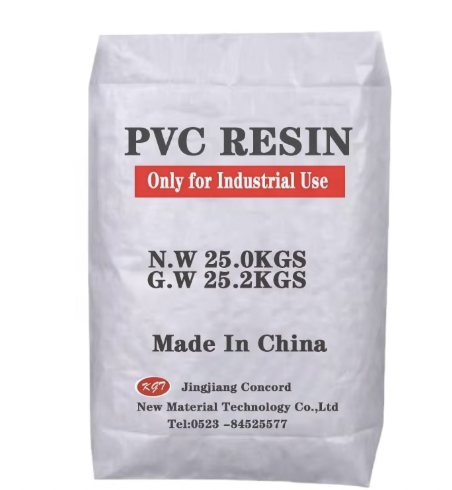
Polyvinyl chloride (PVC) production represents one of the most challenging manufacturing processes in the plastics industry, particularly when addressing lubrication imbalances that can severely impact product quality and operational efficiency. Modern PVC manufacturing requires precise control of processing parameters, with lubrication systems playing a critical role in determining the final product characteristics. Understanding the complex relationship between thermal stability, melt flow properties, and additive integration becomes essential for manufacturers seeking to optimize their production lines and maintain consistent quality standards.
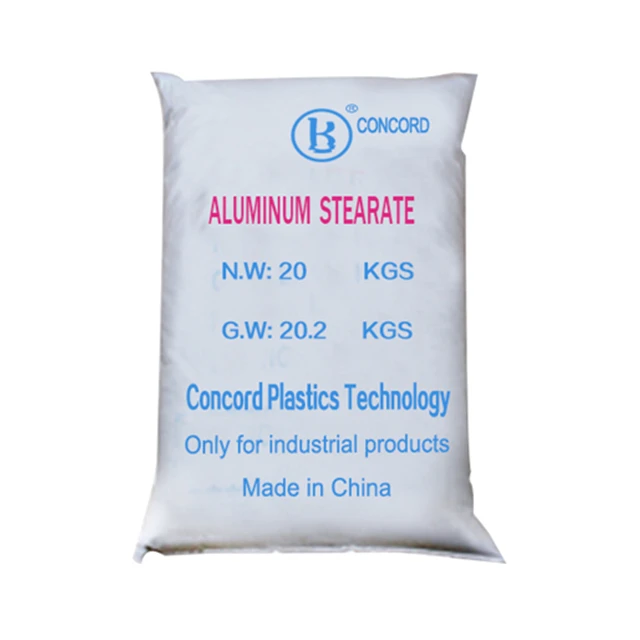
The fundamental challenge in PVC processing lies in balancing internal and external lubrication to achieve optimal processing conditions while maintaining product integrity. Excessive lubrication can lead to poor fusion characteristics and reduced mechanical properties, while insufficient lubrication results in processing difficulties, equipment wear, and potential thermal degradation. This delicate balance requires careful selection of lubricating agents, precise dosing protocols, and comprehensive understanding of how different additives interact within the polymer matrix during processing operations.
Industrial applications of PVC span numerous sectors including construction materials, automotive components, medical devices, and packaging solutions, each demanding specific performance characteristics that directly correlate with lubrication effectiveness. The choice of appropriate lubricating systems significantly influences not only processing efficiency but also the final product properties such as surface finish, dimensional stability, and long-term durability. Modern manufacturing environments increasingly rely on advanced lubricating technologies to meet stringent quality requirements while maintaining cost-effective production cycles.
Understanding PVC Lubrication Fundamentals
Internal Versus External Lubrication Mechanisms
Internal lubrication in PVC processing involves additives that integrate within the polymer matrix to reduce intermolecular friction and facilitate molecular chain movement during thermal processing. These lubricants typically exhibit good compatibility with PVC resin, allowing for uniform distribution throughout the material while maintaining processing stability. The primary function of internal lubricants centers on reducing melt viscosity and improving flow characteristics, particularly important during extrusion and injection molding operations where consistent material flow determines product quality.
External lubrication operates through a different mechanism, creating a boundary layer between the polymer melt and processing equipment surfaces to minimize adhesion and reduce shear forces. This type of lubrication proves particularly valuable in preventing material buildup on processing equipment, reducing torque requirements, and enabling smooth material flow through complex die geometries. The selection of appropriate external lubricants depends heavily on processing temperatures, equipment design, and desired surface finish characteristics.
The interaction between internal and external lubrication systems creates complex synergistic effects that can either enhance or compromise processing efficiency depending on the specific combination and concentration levels employed. Manufacturers must carefully consider the compatibility of different lubricant types, their thermal stability ranges, and potential migration characteristics that could affect long-term product performance. Advanced formulation strategies often incorporate multiple lubricant types to achieve optimal processing conditions while maintaining product integrity.
Chemical Structure and Performance Relationships
The molecular structure of lubricating additives directly influences their effectiveness in PVC applications, with chain length, branching patterns, and functional group composition determining compatibility and performance characteristics. Metallic stearates, including aluminium stearate, represent a significant class of lubricants that offer excellent thermal stability and processing versatility. These compounds provide both internal and external lubrication properties, making them valuable for applications requiring balanced performance characteristics.
Fatty acid derivatives constitute another important category of PVC lubricants, offering varying degrees of compatibility and effectiveness depending on their specific chemical composition. The carbon chain length significantly affects melting point, solubility characteristics, and migration properties, while functional group modifications can enhance specific performance aspects such as thermal stability or processing efficiency. Understanding these structure-property relationships enables manufacturers to select optimal lubricant combinations for their specific processing conditions and product requirements.
Synthetic lubricants have gained prominence in specialized PVC applications due to their consistent properties and enhanced performance characteristics compared to natural alternatives. These engineered compounds offer precise control over molecular weight distribution, thermal stability ranges, and compatibility profiles, enabling manufacturers to achieve highly specific performance targets. The development of specialized synthetic lubricants continues to expand processing capabilities and improve product quality in demanding applications.
Identifying Common Lubrication Imbalances
Symptoms of Inadequate Lubrication
Insufficient lubrication in PVC processing manifests through various observable symptoms that can significantly impact production efficiency and product quality. Increased processing torque represents one of the most immediate indicators, as inadequate lubrication leads to higher friction between polymer chains and processing equipment surfaces. This elevated mechanical stress not only increases energy consumption but can also cause premature equipment wear and potential thermal degradation of the polymer material.
Surface defects on finished products often indicate lubrication inadequacies, with common issues including roughness, streaking, and die lines that compromise both aesthetic appeal and functional performance. These surface irregularities typically result from poor melt flow characteristics and inadequate boundary layer formation between the polymer and processing equipment. The severity of surface defects correlates directly with the degree of lubrication insufficiency and processing conditions employed.
Processing temperature instabilities frequently accompany inadequate lubrication, as increased friction generates excessive heat that can exceed optimal processing windows. This thermal imbalance can lead to material degradation, color changes, and the formation of volatile compounds that affect both product quality and workplace safety. Monitoring processing temperatures provides valuable insight into lubrication effectiveness and enables timely adjustments to prevent quality issues.
Consequences of Excessive Lubrication
Over-lubrication presents equally challenging problems in PVC processing, often resulting in poor fusion characteristics that compromise mechanical properties and structural integrity. Excessive lubricant concentrations can interfere with polymer chain entanglement and molecular bonding, leading to reduced tensile strength, impact resistance, and overall durability. These mechanical property reductions may not become apparent until products undergo stress testing or long-term service conditions.
Surface bloom represents another significant consequence of excessive lubrication, where lubricant molecules migrate to the surface over time, creating aesthetic issues and potential adhesion problems for subsequent processing steps. This migration phenomenon can affect printability, bonding characteristics, and overall product appearance, particularly problematic in applications requiring secondary operations such as painting, welding, or adhesive bonding.
Dimensional instabilities often accompany over-lubrication, as excessive lubricant content can affect cooling rates and crystallization patterns during solidification. These effects can manifest as warpage, shrinkage variations, and tolerance issues that compromise product functionality and assembly requirements. Understanding the relationship between lubricant concentration and dimensional stability enables manufacturers to optimize formulations for critical applications.
Advanced Lubricant Selection Strategies
Performance Evaluation Criteria
Effective lubricant selection requires comprehensive evaluation of multiple performance criteria that directly impact processing efficiency and product quality. Thermal stability represents a primary consideration, as lubricants must maintain their effectiveness throughout the processing temperature range without decomposition or volatile loss. The thermal stability window must align with processing requirements while providing adequate safety margins to prevent degradation under normal operating conditions.
Compatibility assessments involve evaluating how lubricants interact with PVC resin and other additives present in the formulation. Incompatible combinations can lead to phase separation, reduced effectiveness, or adverse effects on product properties. Comprehensive compatibility testing typically includes thermal analysis, microscopic examination, and long-term stability studies to ensure consistent performance throughout the product lifecycle.
Processing efficiency metrics encompass factors such as torque reduction, temperature control, and throughput capabilities that directly affect manufacturing economics. Effective lubricants should enable optimal processing conditions while minimizing energy consumption and equipment wear. Quantitative measurement of these parameters enables objective comparison of different lubricant options and optimization of processing conditions.
Formulation Optimization Techniques
Modern formulation approaches utilize systematic methodologies to optimize lubricant combinations for specific processing conditions and product requirements. Design of experiments (DOE) techniques enable efficient exploration of formulation space while minimizing the number of trials required to identify optimal conditions. These statistical approaches provide valuable insights into main effects and interaction patterns that influence processing performance and product quality.
Multi-component lubricant systems offer enhanced performance through synergistic interactions between different additive types. The strategic combination of metallic stearates, fatty acid derivatives, and synthetic compounds can provide balanced internal and external lubrication while addressing specific processing challenges. Careful attention to concentration ratios and compatibility ensures optimal performance without adverse interactions.
Process modeling and simulation tools increasingly support formulation optimization by predicting processing behavior and identifying potential issues before production trials. These computational approaches combine fundamental understanding of polymer processing with empirical data to guide formulation decisions and reduce development time. Advanced modeling capabilities continue to expand as computational power increases and fundamental understanding improves.
Implementation and Process Control
Dosing and Mixing Protocols
Precise dosing of aluminium stearate and other lubricating additives requires careful attention to measurement accuracy and mixing uniformity to ensure consistent performance throughout production runs. Automated dosing systems provide enhanced accuracy and repeatability compared to manual methods, particularly important when dealing with small additive concentrations where measurement errors can significantly impact performance. Modern gravimetric feeders offer real-time monitoring and adjustment capabilities that maintain precise additive ratios regardless of production rate variations.
Mixing sequence and energy input significantly influence additive distribution and effectiveness within PVC formulations. High-intensity mixing can generate excessive heat that may cause premature activation or degradation of temperature-sensitive lubricants, while insufficient mixing energy results in poor distribution and inconsistent performance. Optimizing mixing parameters requires balancing energy input with temperature control to achieve uniform distribution without compromising additive integrity.
Quality control protocols for lubricant addition should include verification of additive identity, concentration measurement, and distribution assessment to ensure formulation consistency. Analytical techniques such as infrared spectroscopy, thermal analysis, and microscopic examination provide valuable tools for monitoring additive incorporation and identifying potential issues before they affect product quality. Regular calibration and verification of dosing equipment maintains measurement accuracy and prevents formulation drift.
Monitoring and Adjustment Procedures
Real-time monitoring of processing parameters provides essential feedback for maintaining optimal lubrication conditions throughout production operations. Torque measurements offer immediate indication of lubrication effectiveness, with deviations from established baselines signaling potential formulation or processing issues. Continuous monitoring enables rapid response to changing conditions and prevents quality problems from affecting large quantities of product.
Temperature profiling throughout the processing equipment reveals important information about heat generation and thermal management effectiveness. Excessive temperatures may indicate inadequate lubrication or processing issues, while unusually low temperatures could suggest over-lubrication or other formulation problems. Maintaining detailed temperature records enables trend analysis and predictive maintenance strategies that improve overall processing reliability.
Product quality assessments should include both immediate processing characteristics and long-term performance properties to ensure comprehensive evaluation of lubrication effectiveness. Surface quality, mechanical properties, and dimensional accuracy provide important indicators of processing optimization, while accelerated aging tests reveal potential long-term issues related to lubricant migration or degradation. Establishing clear quality specifications and control limits enables objective assessment of processing performance and product acceptability.
Troubleshooting Common Issues
Diagnostic Approaches
Systematic diagnostic procedures enable rapid identification of lubrication-related issues and implementation of appropriate corrective measures. Initial assessment should focus on processing parameter variations, including torque, temperature, and pressure measurements that provide immediate indication of processing conditions. Comparing current measurements with established baselines helps isolate potential causes and guide troubleshooting efforts toward the most likely sources of problems.
Material analysis techniques offer deeper insight into formulation-related issues that may not be apparent from processing parameters alone. Thermal analysis can reveal lubricant concentration variations, decomposition issues, or unexpected interactions with other additives. Microscopic examination provides visual evidence of distribution problems, phase separation, or contamination that could affect lubrication effectiveness.
Processing history evaluation involves reviewing recent changes in raw materials, processing conditions, or equipment maintenance that could contribute to lubrication issues. Raw material lot variations, equipment wear, or environmental factors can all influence lubrication performance and should be considered during diagnostic evaluation. Maintaining detailed processing records facilitates this analysis and helps identify correlations between changes and performance issues.
Corrective Action Strategies
Immediate corrective actions for lubrication imbalances depend on the specific nature and severity of the identified problems. Minor concentration adjustments may resolve issues related to slight formulation variations, while more significant problems may require complete reformulation or processing condition modifications. The selection of appropriate corrective measures should consider both immediate production needs and long-term quality objectives.
Equipment-related solutions may be necessary when processing issues stem from mechanical problems rather than formulation factors. Cleaning procedures can remove buildup or contamination that interferes with proper lubrication, while equipment adjustments may optimize processing conditions for current formulations. Regular maintenance schedules help prevent equipment-related lubrication problems and maintain consistent processing performance.
Long-term preventive measures should address root causes of lubrication issues to prevent recurrence and improve overall process stability. These may include raw material specification improvements, enhanced quality control procedures, or processing parameter optimization based on comprehensive performance data. Investing in preventive measures typically provides significant returns through reduced troubleshooting time, improved product quality, and enhanced processing reliability.
FAQ
What is the optimal concentration range for aluminium stearate in PVC formulations?
The optimal concentration of aluminium stearate in PVC formulations typically ranges from 0.1% to 0.8% by weight, depending on specific processing conditions and product requirements. Lower concentrations around 0.1-0.3% provide primarily internal lubrication effects, while higher levels up to 0.8% offer enhanced external lubrication properties. The exact optimal concentration depends on factors such as processing temperature, equipment design, resin type, and other additives present in the formulation. Manufacturers should conduct systematic trials to determine the optimal concentration for their specific applications while monitoring both processing performance and final product properties.
How can I determine if my PVC processing issues are related to lubrication imbalance?
Lubrication-related processing issues typically manifest through specific symptoms that can be systematically evaluated. Increased processing torque, temperature variations, surface defects, and dimensional instabilities are common indicators of lubrication problems. Comparing current processing parameters with established baselines helps identify deviations that may indicate lubrication issues. Additionally, examining product quality characteristics such as surface finish, mechanical properties, and long-term stability provides valuable insight into lubrication effectiveness. If multiple symptoms occur simultaneously or processing parameters drift significantly from normal ranges, lubrication imbalance should be considered as a potential root cause.
What are the key differences between metallic stearates and other PVC lubricants?
Metallic stearates, including aluminium stearate, offer unique advantages compared to other PVC lubricant types due to their dual-functionality as both internal and external lubricants. They provide excellent thermal stability across typical PVC processing temperature ranges and exhibit good compatibility with most PVC formulations. Unlike purely organic lubricants, metallic stearates offer enhanced processing stability and reduced migration tendencies, making them suitable for applications requiring long-term performance consistency. However, they may have different cost structures and availability considerations compared to alternative lubricant options, requiring evaluation of both technical performance and economic factors when making selection decisions.
How does processing temperature affect lubricant performance in PVC applications?
Processing temperature significantly influences lubricant effectiveness and mechanism of action in PVC applications. At lower processing temperatures, lubricants may not achieve optimal activation, resulting in reduced effectiveness and potential processing difficulties. Conversely, excessive temperatures can cause lubricant degradation, volatilization, or unwanted chemical reactions that compromise both processing performance and product quality. The thermal stability window of the chosen lubricant must align with processing requirements, typically spanning 160-200°C for most PVC applications. Temperature control becomes particularly critical when using multiple lubricant types, as different compounds may have varying thermal response characteristics that affect overall system performance and optimization strategies.
Table of Contents
- Understanding PVC Lubrication Fundamentals
- Identifying Common Lubrication Imbalances
- Advanced Lubricant Selection Strategies
- Implementation and Process Control
- Troubleshooting Common Issues
-
FAQ
- What is the optimal concentration range for aluminium stearate in PVC formulations?
- How can I determine if my PVC processing issues are related to lubrication imbalance?
- What are the key differences between metallic stearates and other PVC lubricants?
- How does processing temperature affect lubricant performance in PVC applications?