
 EN
EN
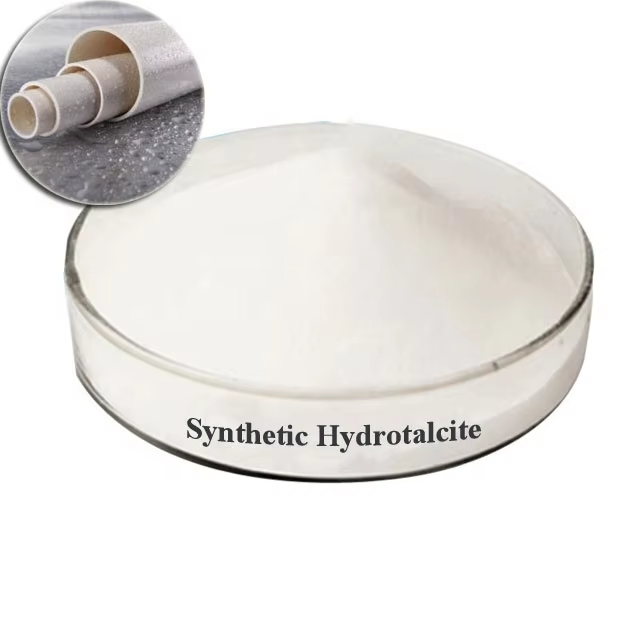
Hydrotalcite represents a revolutionary advancement in flame retardant technology, offering manufacturers a non-toxic alternative to traditional halogenated compounds. This layered double hydroxide material has gained significant attention across industries due to its exceptional thermal stability and environmental safety profile. As regulatory pressures mount against harmful flame retardants, hydrotalcite emerges as a versatile solution that maintains high performance standards while protecting human health and environmental integrity. The growing demand for sustainable materials has positioned hydrotalcite as a critical component in modern fire safety applications, from construction materials to automotive components.
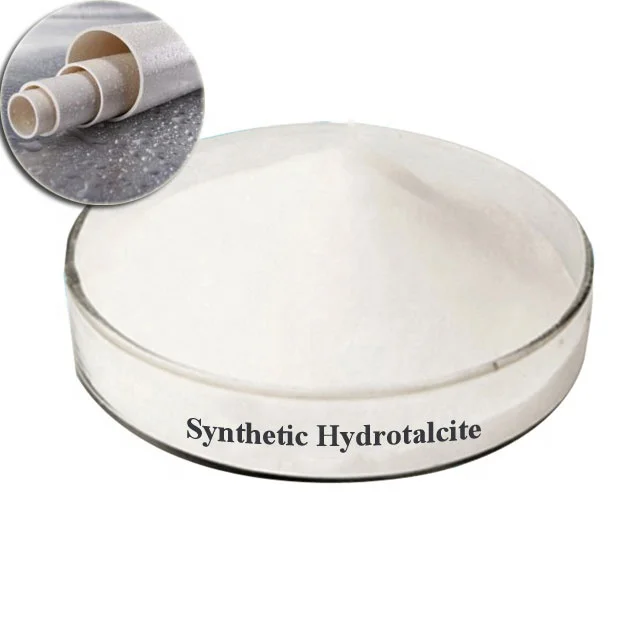
Understanding Hydrotalcite Structure and Properties
Chemical Composition and Molecular Framework
Hydrotalcite belongs to the layered double hydroxide family, characterized by its unique brucite-like structure with positively charged metal hydroxide layers. The general formula for hydrotalcite is Mg₆Al₂(OH)₁₆CO₃·4H₂O, featuring magnesium and aluminum cations arranged in octahedral coordination within hydroxide sheets. These positively charged layers are balanced by interlayer anions, typically carbonate ions, creating a stable crystalline structure that exhibits remarkable thermal properties.
The layered architecture of hydrotalcite enables exceptional ion exchange capabilities and thermal decomposition characteristics that make it ideal for flame retardant applications. When exposed to elevated temperatures, hydrotalcite undergoes endothermic decomposition, releasing water vapor and carbon dioxide while forming protective metal oxide residues. This controlled decomposition process effectively absorbs heat energy and dilutes combustible gases, creating multiple fire suppression mechanisms within a single material.
Physical and Thermal Characteristics
The physical properties of hydrotalcite contribute significantly to its effectiveness as a flame retardant additive. With a typical particle size ranging from 0.5 to 2.0 micrometers, hydrotalcite provides excellent dispersion characteristics in polymer matrices while maintaining processing compatibility. The material exhibits a specific surface area of approximately 8-15 m²/g, offering sufficient interface contact for optimal flame retardant performance without compromising mechanical properties.
Thermal analysis reveals that hydrotalcite demonstrates exceptional stability up to 200°C, followed by controlled decomposition in two distinct temperature ranges. The first decomposition stage occurs between 200-350°C, involving dehydroxylation and release of interlayer water. The second stage, occurring at 350-450°C, involves decarbonation and formation of mixed metal oxides. This stepped decomposition profile provides extended protection across a wide temperature range, making hydrotalcite suitable for diverse thermal environments.
Flame Retardant Mechanisms of Hydrotalcite
Endothermic Decomposition Process
The primary flame retardant mechanism of hydrotalcite involves endothermic decomposition that effectively removes heat from the combustion zone. When exposed to fire conditions, hydrotalcite absorbs substantial amounts of thermal energy during its decomposition process, lowering the temperature of the surrounding material below its ignition threshold. This heat absorption capacity reaches approximately 1200-1400 J/g, providing significant cooling effects that delay ignition and slow flame propagation.
During thermal decomposition, hydrotalcite releases approximately 30% of its weight as water vapor and carbon dioxide, creating an inert atmosphere that dilutes oxygen concentration around the burning material. This gas evolution mechanism reduces the availability of oxygen necessary for sustained combustion while simultaneously cooling the flame zone through heat absorption during vaporization. The combination of heat absorption and gas dilution creates a synergistic effect that enhances overall fire resistance.
Char Formation and Barrier Effects
The decomposition of hydrotalcite produces thermally stable metal oxide residues that form protective char layers on material surfaces. These magnesium-aluminum oxide residues create physical barriers that impede heat transfer, oxygen diffusion, and volatile fuel release from the underlying substrate. The char layer acts as an insulating blanket that maintains lower substrate temperatures and prevents continued pyrolysis reactions.
The protective char formed by hydrotalcite exhibits excellent adhesion to polymer substrates, preventing layer separation that could compromise barrier effectiveness. This stable char structure maintains its integrity even under mechanical stress or thermal cycling, providing sustained protection throughout fire exposure. The formation of coherent, non-dripping char layers also prevents flame spread and reduces heat release rates, contributing to improved fire safety performance.
Applications Across Industries
Construction and Building Materials
Hydrotalcite has found extensive application in construction materials where fire safety regulations demand non-toxic flame retardant solutions. In rigid and flexible polyurethane foams used for insulation, hydrotalcite loading levels of 15-25% by weight provide excellent flame retardancy while maintaining thermal insulation properties. The material's compatibility with foam processing equipment and its minimal impact on cellular structure make it an ideal choice for building insulation applications.
Cable and wire applications represent another significant market for hydrotalcite flame retardants, particularly in buildings where smoke generation and toxicity concerns are paramount. When incorporated into polyethylene or PVC cable jackets, hydrotalcite effectively reduces flame spread and smoke production while eliminating harmful halogen emissions. The material's excellent electrical insulation properties and processing stability make it suitable for both low-voltage and high-voltage cable applications.
Automotive and Transportation Industries
The automotive industry has embraced hydrotalcite as a flame retardant solution for interior components, seat foams, and under-hood applications where temperature resistance and low toxicity are critical requirements. In automotive polyurethane foams, hydrotalcite concentrations of 20-30% provide adequate flame retardancy while maintaining comfort properties and durability standards. The material's thermal stability makes it particularly suitable for components exposed to elevated operating temperatures.
Transportation applications extend beyond automotive to include aerospace, marine, and rail industries where stringent fire safety standards require proven flame retardant performance. Hydrotalcite's ability to reduce heat release rates and limit smoke generation makes it valuable for interior panels, seating systems, and structural composites used in transportation vehicles. The material's compatibility with lightweight composite materials supports the industry's ongoing weight reduction initiatives while maintaining safety standards.
Advantages Over Traditional Flame Retardants
Environmental and Health Benefits
Unlike halogenated flame retardants that release toxic gases during combustion, hydrotalcite produces only water vapor, carbon dioxide, and inert metal oxides when exposed to fire conditions. This clean decomposition profile eliminates concerns about dioxin formation, hydrogen halide gas release, and bioaccumulation potential that plague traditional flame retardant systems. Regulatory agencies worldwide have recognized hydrotalcite as a safer alternative that meets stringent environmental and health protection standards.
The non-toxic nature of hydrotalcite extends beyond fire conditions to include normal use scenarios where the material demonstrates excellent biocompatibility and environmental stability. Unlike persistent organic pollutants commonly associated with halogenated flame retardants, hydrotalcite does not migrate from polymer matrices or accumulate in biological systems. This stability profile makes hydrotalcite suitable for applications involving food contact, medical devices, and consumer products where safety margins are critical.
Processing and Performance Advantages
Hydrotalcite offers significant processing advantages over many alternative flame retardant systems, including excellent thermal stability during polymer processing and minimal impact on mechanical properties. The material's decomposition temperature above 200°C provides adequate processing windows for most thermoplastic applications while maintaining flame retardant effectiveness. Processing equipment experiences reduced corrosion and wear compared to halogenated systems, resulting in lower maintenance costs and extended equipment life.
The synergistic effects of hydrotalcite with other flame retardant additives enable reduced loading levels while maintaining equivalent performance standards. When combined with phosphorus-based compounds or expandable graphite systems, hydrotalcite can achieve superior flame retardancy at total additive loadings 20-30% lower than individual systems. This synergistic approach reduces material costs while minimizing impacts on physical properties such as tensile strength, elongation, and impact resistance.
Manufacturing and Quality Considerations
Synthesis Methods and Purity Control
Modern hydrotalcite production employs controlled co-precipitation methods that ensure consistent particle size distribution, chemical composition, and surface properties essential for flame retardant performance. The synthesis process involves precise control of pH, temperature, and reaction kinetics to achieve optimal crystal structure and interlayer composition. Advanced manufacturing facilities utilize automated process control systems that monitor critical parameters in real-time, ensuring batch-to-batch consistency and quality standards.
Quality control protocols for hydrotalcite production include comprehensive analysis of chemical composition, thermal decomposition behavior, particle size distribution, and surface area characteristics. X-ray diffraction analysis confirms proper crystal structure formation, while thermal gravimetric analysis validates decomposition temperatures and weight loss profiles. These analytical techniques ensure that each production batch meets specifications required for reliable flame retardant performance across diverse applications.
Surface Modification and Functionalization
Surface treatment technologies have enhanced hydrotalcite compatibility with various polymer systems while maintaining its inherent flame retardant properties. Organosilane treatments improve dispersion characteristics in hydrophobic polymer matrices, reducing agglomeration and enhancing mechanical property retention. Fatty acid modifications provide processing lubrication while maintaining thermal stability, particularly beneficial for high-temperature processing applications.
Advanced functionalization approaches include intercalation of organic compounds between hydrotalcite layers, creating hybrid materials with enhanced performance characteristics. These modified hydrotalcite grades exhibit improved compatibility with specific polymer systems while potentially providing additional functionality such as UV stabilization or antimicrobial properties. The versatility of hydrotalcite structure allows for customized solutions tailored to specific application requirements.
Future Developments and Market Trends
Emerging Applications and Technologies
Research and development efforts continue to expand hydrotalcite applications into new market segments, including advanced composites, electronic materials, and renewable energy systems. In wind turbine blade applications, hydrotalcite provides flame retardancy for glass fiber reinforced composites while maintaining structural integrity under cyclic loading conditions. The material's compatibility with bio-based polymers positions it well for sustainable material applications in packaging, textiles, and consumer goods.
Nanotechnology approaches are creating new opportunities for hydrotalcite applications through enhanced dispersion techniques and surface functionalization methods. Nano-scale hydrotalcite particles offer improved flame retardant efficiency at reduced loading levels, addressing industry demands for lightweight materials with minimal property compromise. These advanced formulations enable flame retardant solutions for applications previously considered incompatible with mineral-based additives.
Regulatory Drivers and Market Growth
Global regulatory trends favoring non-toxic flame retardant solutions continue to drive hydrotalcite market expansion, particularly in regions with stringent environmental protection standards. The European Union's REACH regulations and similar frameworks in other markets create competitive advantages for hydrotalcite over traditional halogenated systems. Building codes and fire safety standards increasingly recognize the benefits of non-toxic flame retardants, creating new market opportunities for hydrotalcite-based solutions.
Market analysts project continued growth in hydrotalcite demand driven by increasing awareness of health and environmental impacts associated with traditional flame retardants. The construction industry's focus on sustainable building practices, combined with automotive industry lightweighting initiatives, creates favorable conditions for hydrotalcite adoption. Investment in production capacity and technology development by major manufacturers indicates confidence in long-term market potential for this versatile flame retardant material.
FAQ
What makes hydrotalcite a safer alternative to traditional flame retardants
Hydrotalcite offers superior safety compared to halogenated flame retardants because it produces only water vapor, carbon dioxide, and inert metal oxides during combustion, eliminating toxic gas emissions. Unlike traditional systems that can form dioxins and hydrogen halides, hydrotalcite decomposition products are environmentally benign and non-bioaccumulative. The material also demonstrates excellent biocompatibility during normal use conditions, making it suitable for applications involving human contact or food packaging.
How does hydrotalcite loading affect polymer mechanical properties
Hydrotalcite typically requires loading levels of 15-30% by weight to achieve adequate flame retardancy, which can impact mechanical properties depending on the polymer system and processing conditions. However, proper surface treatment and dispersion techniques minimize these effects, often maintaining 80-90% of original tensile and impact properties. The material's plate-like particle structure can actually provide reinforcement benefits in some applications, improving stiffness and dimensional stability while delivering flame retardant performance.
Can hydrotalcite be combined with other flame retardant systems
Hydrotalcite exhibits excellent synergistic effects when combined with phosphorus-based flame retardants, expandable graphite, or other mineral systems, often enabling reduced total additive loadings while maintaining equivalent performance. These combinations leverage complementary mechanisms of action, with hydrotalcite providing heat absorption and gas dilution while other systems contribute char formation or radical scavenging effects. Proper formulation design can achieve superior flame retardancy at lower overall loading levels compared to individual systems.
What quality specifications should be considered when selecting hydrotalcite
Key quality specifications for hydrotalcite include particle size distribution, chemical composition, thermal decomposition profile, and surface area characteristics that directly impact flame retardant performance and processing compatibility. X-ray diffraction patterns should confirm proper layered double hydroxide crystal structure, while thermal analysis validates decomposition temperatures and weight loss behavior. Surface treatment compatibility, moisture content, and heavy metal impurity levels represent additional considerations for specific application requirements and regulatory compliance.