
 EN
EN
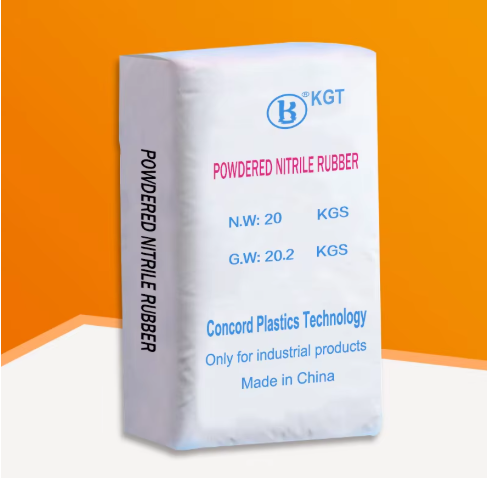
Sodium stearate represents one of the most versatile and widely utilized chemical compounds across multiple manufacturing industries today. This white, waxy solid serves as a fundamental ingredient in countless consumer products, from everyday soaps and cosmetics to advanced plastic formulations. Understanding the properties and applications of sodium stearate reveals why manufacturers consistently choose this compound for diverse industrial processes and consumer goods production.

The chemical structure of sodium stearate makes it particularly valuable for industrial applications. As the sodium salt of stearic acid, this compound exhibits excellent surfactant properties that enable it to function effectively in various formulations. Manufacturing processes benefit from sodium stearate's ability to reduce surface tension, create stable emulsions, and provide consistent performance across different temperature ranges.
Chemical Properties and Manufacturing Advantages
Molecular Structure and Stability
The molecular composition of sodium stearate contributes significantly to its widespread industrial adoption. This compound consists of a long hydrocarbon chain attached to a sodium carboxylate group, creating an amphiphilic molecule with both hydrophilic and lipophilic properties. These dual characteristics allow sodium stearate to interact effectively with both water-based and oil-based substances, making it invaluable for creating stable formulations across diverse applications.
Manufacturing processes benefit from the exceptional thermal stability that sodium stearate provides. The compound maintains its structural integrity across a wide temperature range, ensuring consistent performance during production and storage. This stability reduces manufacturing costs by minimizing product degradation and extending shelf life for finished goods containing sodium stearate as an active ingredient.
Surfactant Properties and Performance
The surfactant capabilities of sodium stearate make it particularly valuable for industrial applications requiring emulsification and surface tension reduction. These properties enable manufacturers to create uniform product textures and improve the mixing of otherwise incompatible ingredients. The compound's ability to form stable micelles contributes to enhanced product performance and consumer satisfaction across various applications.
Industrial formulations benefit from sodium stearate's consistent foaming characteristics and cleaning properties. The compound generates stable, long-lasting foam that consumers associate with effective cleaning products. This performance reliability allows manufacturers to create products that meet consumer expectations while maintaining cost-effective production processes.
Applications in Soap Manufacturing
Traditional Soap Production Methods
Soap manufacturing has relied on sodium stearate as a primary ingredient for decades due to its excellent cleansing properties and skin compatibility. The saponification process naturally produces sodium stearate when stearic acid reacts with sodium hydroxide, creating the hard, white bars that consumers recognize as traditional soap. This natural formation process makes sodium stearate an essential component in both commercial and artisanal soap production methods.
Modern soap manufacturing processes utilize sodium stearate to achieve specific texture and performance characteristics. The compound contributes to the hardness and longevity of soap bars while maintaining gentle cleansing properties suitable for daily use. Manufacturers can adjust the concentration of sodium stearate to create products ranging from luxury moisturizing bars to heavy-duty cleaning soaps for industrial applications.
Quality Control and Product Consistency
Quality control processes in soap manufacturing depend heavily on the consistent properties that sodium stearate provides. The compound's predictable behavior during production enables manufacturers to maintain uniform product quality across large production runs. This consistency reduces waste, improves efficiency, and ensures that finished products meet established quality standards and regulatory requirements.
The incorporation of sodium stearate in soap formulations allows manufacturers to achieve specific performance metrics related to lather quality, cleaning effectiveness, and skin feel. These measurable characteristics enable quality control teams to optimize formulations and ensure that products deliver consistent consumer experiences. The compound's stability during storage and shipping further contributes to maintained product quality from manufacturing facility to end user.
Cosmetics and Personal Care Applications
Emulsification and Texture Enhancement
Cosmetics manufacturers extensively utilize sodium stearate for its superior emulsification properties that enable the creation of smooth, stable formulations. The compound effectively combines oil and water phases in creams, lotions, and other personal care products, preventing separation and ensuring uniform distribution of active ingredients. This emulsification capability allows formulators to create products with desirable textures that consumers find appealing and effective.
The texture-enhancing properties of sodium stearate contribute to the luxurious feel that consumers expect from premium cosmetic products. The compound helps create smooth, non-greasy formulations that spread easily across the skin while providing appropriate viscosity for different product types. These characteristics make sodium stearate particularly valuable in foundation formulations, moisturizers, and specialty skincare products where texture plays a crucial role in consumer acceptance.
Skin Compatibility and Safety Profile
The safety profile of sodium stearate makes it suitable for use in cosmetic formulations designed for sensitive skin and daily application. Extensive testing has demonstrated that sodium stearate exhibits low irritation potential and excellent skin compatibility when used in appropriate concentrations. This safety record allows formulators to include sodium stearate in products intended for frequent use without significant concern for adverse reactions.
Regulatory approval for sodium stearate in cosmetic applications reflects its established safety record and effectiveness. The compound meets stringent safety requirements established by regulatory agencies worldwide, enabling manufacturers to market products containing sodium stearate in global markets. This regulatory acceptance reduces formulation risks and accelerates product development timelines for cosmetic manufacturers seeking reliable, approved ingredients.
Plastics Manufacturing and Industrial Uses
Processing Aid and Release Agent Functions
Plastics manufacturing processes benefit significantly from sodium stearate's function as an effective processing aid and release agent. The compound reduces friction between plastic materials and processing equipment, enabling smoother operation of extrusion and molding equipment. This lubrication effect reduces equipment wear, minimizes energy consumption, and improves overall production efficiency in plastic manufacturing operations.
The release agent properties of sodium stearate prevent plastic products from adhering to molds and processing equipment during manufacturing. This anti-stick functionality reduces production downtime, minimizes product defects, and enables the production of complex plastic shapes with fine surface details. Manufacturers can achieve consistent product quality while reducing the need for expensive mold treatments and maintenance procedures.
Thermal Stabilization and Quality Enhancement
Thermal stabilization represents another crucial function of sodium stearate in plastics manufacturing applications. The compound helps prevent degradation of plastic polymers during high-temperature processing, maintaining product integrity and extending the useful life of finished plastic products. This stabilization effect enables manufacturers to process plastics at optimal temperatures without compromising final product quality or performance characteristics.
Quality enhancement through sodium stearate incorporation results in improved surface finish and reduced defect rates in plastic products. The compound contributes to smoother surface textures and more uniform color distribution in finished plastic items. These quality improvements translate to higher customer satisfaction and reduced rejection rates during quality control inspections, ultimately improving manufacturing profitability and reputation.
Manufacturing Processes and Production Methods
Industrial Synthesis and Purification
Industrial production of sodium stearate involves sophisticated synthesis processes designed to achieve high purity levels required for diverse applications. The neutralization of stearic acid with sodium hydroxide represents the most common production method, utilizing carefully controlled reaction conditions to ensure complete conversion and optimal product quality. Manufacturing facilities employ advanced purification techniques to remove impurities and achieve the specified grade requirements for different end-use applications.
Quality control during sodium stearate production involves comprehensive testing protocols that verify chemical composition, particle size distribution, and performance characteristics. These testing procedures ensure that manufactured sodium stearate meets strict specifications required by soap, cosmetics, and plastics industries. Consistent quality control enables manufacturers to produce reliable sodium stearate grades that perform predictably in downstream applications.
Environmental Considerations and Sustainability
Modern sodium stearate production processes incorporate environmental considerations and sustainability practices to minimize ecological impact. Manufacturers utilize renewable feedstock sources and implement waste reduction strategies that align with environmental regulations and corporate sustainability goals. These practices ensure that sodium stearate production contributes to sustainable manufacturing while meeting growing demand for environmentally responsible chemical products.
The biodegradable nature of sodium stearate supports environmental sustainability objectives across multiple industries. Unlike synthetic alternatives, sodium stearate breaks down naturally in environmental systems without accumulating harmful residues. This environmental compatibility makes sodium stearate an attractive choice for manufacturers seeking to reduce their environmental footprint while maintaining product performance standards.
FAQ
What makes sodium stearate suitable for sensitive skin applications
Sodium stearate exhibits excellent skin compatibility due to its mild, non-irritating properties and natural origin from fatty acids. The compound has undergone extensive safety testing that demonstrates low allergenic potential and minimal skin sensitization risks. Its gentle cleansing action and moisturizing properties make sodium stearate particularly suitable for products designed for sensitive skin types, including baby care formulations and hypoallergenic cosmetics.
How does sodium stearate improve plastic manufacturing efficiency
Sodium stearate enhances plastic manufacturing efficiency by serving as an effective processing aid that reduces friction between materials and equipment. The compound facilitates smoother material flow during extrusion and injection molding processes, reducing energy consumption and equipment wear. Additionally, its release agent properties minimize product adhesion to molds, reducing cycle times and improving overall production throughput while maintaining consistent product quality.
Can sodium stearate be used in organic and natural product formulations
Yes, sodium stearate can be incorporated into organic and natural product formulations when derived from certified organic sources and processed according to organic standards. The compound's natural origin from plant or animal-based stearic acid makes it compatible with natural product formulations. However, manufacturers must ensure that the specific sodium stearate grade meets organic certification requirements and regulatory standards for natural product labeling claims.
What quality specifications should manufacturers consider when selecting sodium stearate
Manufacturers should evaluate several key specifications when selecting sodium stearate, including purity level, particle size distribution, moisture content, and trace metal concentrations. The intended application determines which specifications are most critical, with cosmetic grades requiring higher purity levels than industrial applications. Additionally, manufacturers should verify that the sodium stearate supplier maintains appropriate quality certifications and can provide consistent product quality across multiple production batches.