
 EN
EN
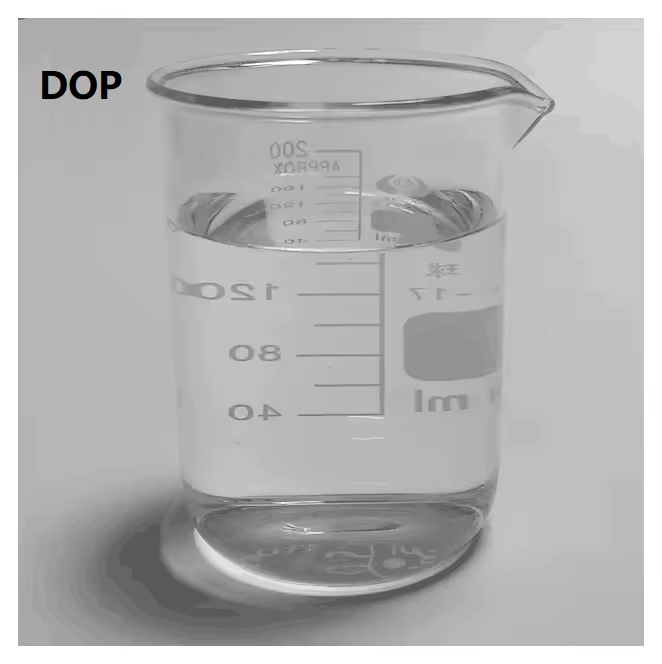
Industrial manufacturers seeking high-quality dop plasticizer solutions must understand the critical importance of purity standards when making bulk purchasing decisions. The chemical composition and quality specifications of dop plasticizer directly impact production efficiency, product performance, and regulatory compliance across multiple manufacturing sectors. Modern industrial applications demand stringent quality controls that extend far beyond basic chemical functionality, encompassing everything from trace contaminant levels to thermal stability characteristics.
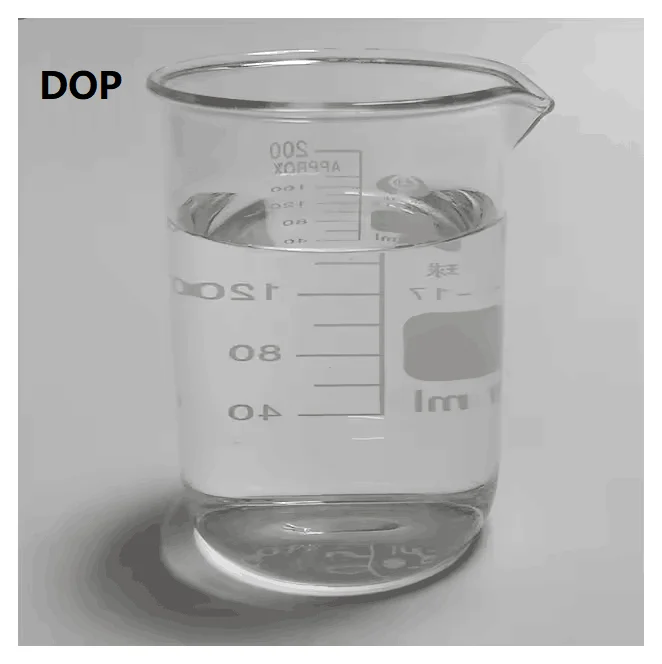
Understanding Chemical Purity Classifications
Primary Purity Indicators
The foundation of any quality dop plasticizer evaluation begins with understanding primary purity indicators that define product grade classifications. These indicators include total impurity content, water content levels, and acid value measurements that directly influence processing characteristics. Professional chemical suppliers typically categorize their dop plasticizer products into industrial grade, technical grade, and pharmaceutical grade classifications based on these fundamental purity metrics.
Water content represents one of the most critical purity parameters, as excessive moisture can lead to processing difficulties, reduced thermal stability, and compromised end-product performance. Standard industrial specifications typically require water content levels below 0.1% for most applications, though specialized uses may demand even stricter controls. The measurement methodology for water content determination follows internationally recognized testing protocols that ensure consistency across different suppliers and production batches.
Trace Contaminant Analysis
Beyond basic purity measurements, comprehensive trace contaminant analysis provides essential insights into long-term product performance and regulatory compliance potential. Heavy metal contamination, organic impurities, and residual catalyst content all contribute to overall product quality assessment. These trace elements can significantly impact the thermal processing characteristics of dop plasticizer formulations, particularly in high-temperature manufacturing environments.
Professional laboratories employ advanced analytical techniques including gas chromatography, mass spectrometry, and atomic absorption spectroscopy to identify and quantify trace contaminants. The detection limits for these analytical methods have improved dramatically over recent years, enabling manufacturers to specify increasingly stringent purity requirements that support enhanced product performance and regulatory compliance.
Regulatory Compliance Standards
International Safety Regulations
Global regulatory frameworks governing dop plasticizer purity standards continue evolving as environmental and health considerations drive increasingly stringent requirements. The European Union's REACH regulation, United States EPA guidelines, and similar frameworks in Asia-Pacific regions establish minimum purity thresholds that directly impact bulk purchasing specifications. These regulations address not only chemical purity but also manufacturing process controls and supply chain transparency requirements.
Compliance documentation requirements have expanded significantly, with modern dop plasticizer suppliers expected to provide comprehensive certificates of analysis, safety data sheets, and process validation documentation. The regulatory landscape varies considerably between different geographical markets, necessitating careful evaluation of local requirements when establishing bulk purchasing specifications.
Industry-Specific Standards
Different industrial sectors impose varying purity requirements based on end-use applications and performance expectations. The automotive industry, for example, typically requires higher purity grades to ensure long-term durability and environmental resistance in demanding operating conditions. Medical device manufacturing applications may demand pharmaceutical-grade purity levels that exceed standard industrial specifications by significant margins.
Food packaging applications represent another sector with specialized purity requirements, where migration potential and organoleptic properties become critical evaluation criteria. These industry-specific standards often exceed general regulatory minimums, reflecting the particular performance demands and quality expectations associated with specialized applications.
Testing Methodologies and Verification
Laboratory Analysis Protocols
Establishing reliable testing methodologies for dop plasticizer purity verification requires understanding both standard industry protocols and advanced analytical techniques. Standard test methods include determination of acid value, saponification value, and volatile matter content using established ASTM and ISO procedures. These fundamental tests provide baseline quality assessment capabilities that support routine quality control operations.
Advanced analytical techniques such as nuclear magnetic resonance spectroscopy and high-performance liquid chromatography offer enhanced capabilities for detailed molecular structure analysis and impurity identification. These sophisticated methods enable detection of structural isomers, degradation products, and other subtle variations that may impact product performance but remain undetectable through conventional testing approaches.
Quality Assurance Protocols
Comprehensive quality assurance protocols for bulk dop plasticizer procurement extend beyond single-point testing to encompass batch-to-batch consistency evaluation and statistical process control methodologies. Leading suppliers implement sophisticated quality management systems that track purity parameters across multiple production runs, enabling identification of trends and potential quality variations before they impact customer operations.
Third-party verification services provide additional assurance for critical applications where independent quality confirmation becomes necessary. These services typically include random sampling protocols, blind testing procedures, and comprehensive analytical reporting that supports regulatory compliance documentation and internal quality management requirements.
Economic Considerations in Purity Selection
Cost-Benefit Analysis Framework
Balancing purity requirements against economic considerations requires systematic cost-benefit analysis that accounts for both immediate procurement costs and long-term operational implications. Higher purity dop plasticizer grades typically command premium pricing, but may offer reduced processing difficulties, improved product consistency, and enhanced regulatory compliance capabilities that justify the additional investment.
The total cost of ownership analysis should include factors such as processing efficiency improvements, reduced waste generation, and potential regulatory compliance cost avoidance. Many manufacturers discover that investing in higher purity grades ultimately reduces overall production costs through improved processing reliability and reduced quality control requirements.
Supply Chain Risk Management
Purity specifications directly impact supply chain risk profiles, as more stringent requirements may limit supplier options and increase potential supply disruption risks. Developing appropriate purity standards requires balancing performance requirements against supply chain resilience considerations, particularly for bulk procurement strategies that depend on consistent long-term availability.
Strategic suppliers often maintain inventory buffers and alternative sourcing capabilities specifically to support customers with demanding purity requirements. These value-added services may justify premium pricing structures while providing essential supply chain security for critical manufacturing operations.
FAQ
What purity level should be specified for standard PVC processing applications
Standard PVC processing applications typically require dop plasticizer with minimum 99.5% purity, water content below 0.1%, and acid value less than 0.1 mg KOH/g. These specifications ensure adequate processing characteristics while maintaining cost-effectiveness for most industrial applications. Higher purity grades may be necessary for specialized applications or demanding environmental conditions.
How do purity requirements affect bulk pricing structures
Purity requirements significantly impact bulk pricing, with pharmaceutical-grade materials commanding 20-40% premium over industrial grades. The pricing differential reflects additional purification steps, enhanced quality control measures, and specialized handling requirements. Volume commitments and long-term contracts can help offset premium costs for high-purity specifications.
Which analytical methods provide the most reliable purity verification
Gas chromatography coupled with mass spectrometry represents the gold standard for comprehensive dop plasticizer purity analysis, offering both quantitative measurement capabilities and detailed impurity identification. Standard wet chemistry methods remain valuable for routine quality control, while advanced spectroscopic techniques provide enhanced analytical depth for critical applications.
Can purity specifications be customized for specific manufacturing requirements
Yes, reputable suppliers typically offer customized purity specifications tailored to specific manufacturing requirements and application demands. Custom specifications may include modified impurity limits, specialized testing protocols, or enhanced documentation requirements. These customization services often require minimum volume commitments and may involve additional qualification procedures.