
 EN
EN
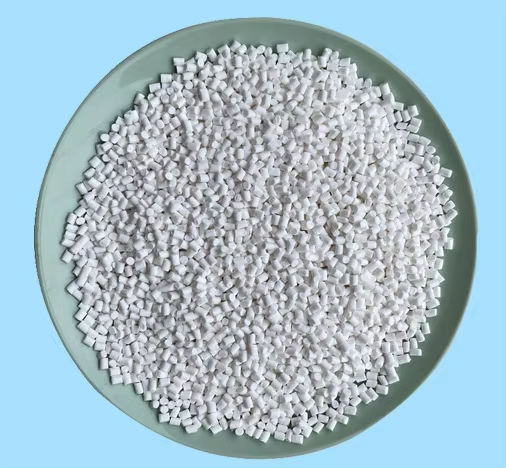
In the complex world of industrial manufacturing and chemical formulations, zinc stearate stands out as a versatile compound that has revolutionized numerous applications across diverse industries. This white, fine powder has become an indispensable component in manufacturing processes ranging from plastics production to pharmaceutical formulations. Understanding the fundamental properties and applications of zinc stearate reveals why this chemical compound has earned its reputation as a critical ingredient in modern industrial operations. The unique molecular structure of zinc stearate provides exceptional lubrication properties while simultaneously offering anti-caking benefits that enhance product quality and manufacturing efficiency.
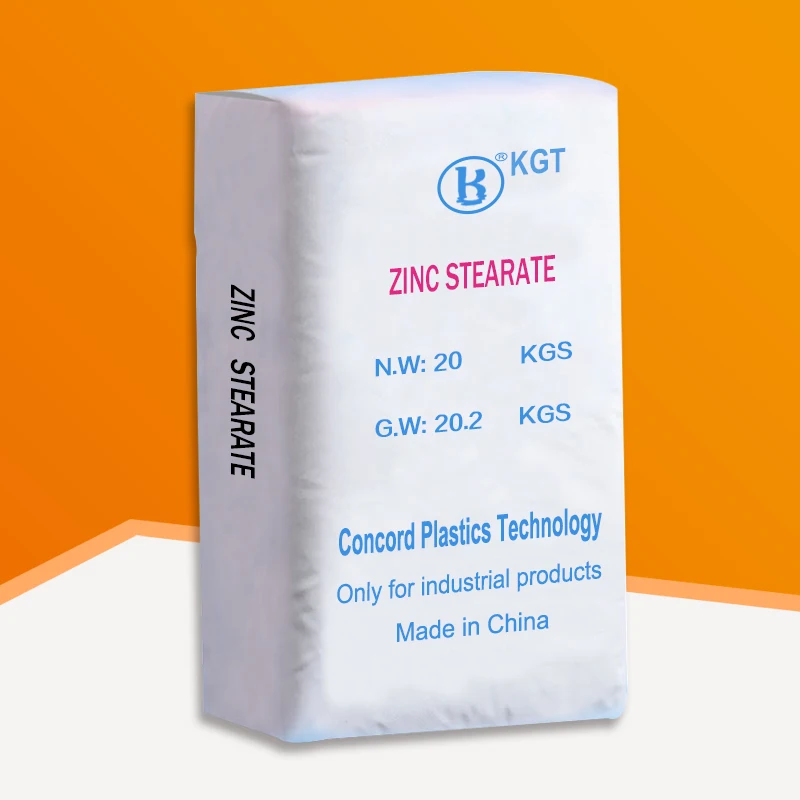
Chemical Composition and Molecular Properties of Zinc Stearate
Structural Characteristics and Formation Process
The chemical formula of zinc stearate is Zn(C18H35O2)2, representing a metallic soap formed through the reaction between zinc oxide or zinc chloride and stearic acid. This compound exhibits a layered crystalline structure where zinc ions are coordinated with two stearate molecules, creating a stable configuration that contributes to its exceptional performance characteristics. The molecular arrangement allows zinc stearate to function effectively as both a lubricant and an anti-caking agent due to its ability to reduce friction between particles while preventing unwanted agglomeration. The hydrophobic nature of the stearate chains combined with the ionic zinc center creates a unique amphiphilic molecule that can interact with various surfaces and materials.
Manufacturing processes typically involve precipitation methods where zinc salts react with stearic acid under controlled temperature and pH conditions. The resulting zinc stearate crystals form with specific particle size distributions that can be optimized for different applications. Quality control measures ensure consistent purity levels, typically exceeding 98%, which is crucial for applications requiring precise performance characteristics. The formation process influences the final product's physical properties, including particle morphology, surface area, and thermal stability, all of which directly impact its effectiveness in various industrial applications.
Physical and Thermal Properties
Zinc stearate demonstrates remarkable thermal stability with a melting point ranging from 118-125°C, making it suitable for high-temperature processing conditions commonly encountered in polymer manufacturing and metal casting operations. The compound exhibits excellent thermal decomposition resistance up to approximately 200°C, ensuring consistent performance even under demanding processing conditions. Its low bulk density, typically around 0.3-0.4 g/cm³, contributes to easy handling and uniform distribution in formulations. The particle size distribution can be controlled during manufacturing to achieve specific performance characteristics, with typical ranges from 1-10 micrometers depending on the intended application.
The hydrophobic nature of zinc stearate provides excellent moisture resistance, preventing caking and maintaining free-flowing properties even in humid environments. This characteristic is particularly valuable in powder handling applications where moisture absorption can lead to processing difficulties and product quality issues. The compound's electrical insulating properties make it suitable for applications in electrical components and cable manufacturing where dielectric performance is critical. Additionally, zinc stearate exhibits excellent chemical stability when exposed to most organic solvents and mild acids, ensuring long-term performance reliability in diverse operating environments.
Lubrication Applications and Mechanisms
Industrial Lubricant Formulations
In industrial lubrication systems, zinc stearate functions as an effective boundary lubricant that forms protective films on metal surfaces, reducing wear and extending equipment life. The compound's ability to adhere to metal surfaces through ionic interactions while providing a low-friction barrier makes it particularly valuable in applications involving metal-to-metal contact under high pressure conditions. Manufacturing processes such as wire drawing, metal stamping, and extrusion benefit significantly from zinc stearate incorporation due to its ability to maintain lubrication effectiveness even when conventional liquid lubricants are squeezed away from contact surfaces.
The mechanism of lubrication involves the formation of monomolecular layers on metal surfaces, where the zinc ions interact with surface oxides while the hydrocarbon chains provide the lubricating interface. This dual-action mechanism ensures consistent lubrication performance across varying operating conditions and surface compositions. In automotive applications, zinc stearate enhances the performance of transmission fluids and gear oils by providing additional anti-wear protection and reducing friction coefficients. The compound's compatibility with various base oils and synthetic lubricants makes it a versatile additive for formulating specialized lubricants for specific industrial applications.
Polymer Processing Enhancement
Zinc stearate plays a crucial role in polymer processing as an internal and external lubricant that facilitates material flow and prevents equipment fouling. During injection molding and extrusion processes, the compound reduces melt viscosity and improves processing efficiency while maintaining final product quality. The lubricating action helps prevent polymer degradation by reducing shear stress and heat generation during processing, resulting in improved mechanical properties and surface finish of molded parts. Different polymer systems, including polyethylene, polypropylene, and PVC, benefit from zinc stearate incorporation at optimized concentration levels.
The effectiveness of zinc stearate in polymer applications stems from its ability to migrate to the polymer-metal interface during processing, creating a lubricating layer that reduces adhesion and facilitates material release. This migration mechanism is temperature-dependent and can be controlled through formulation design to achieve optimal processing performance. In rigid PVC applications, zinc stearate serves dual functions as a heat stabilizer and processing aid, helping prevent thermal degradation while improving melt flow characteristics. The compound's low volatility ensures consistent performance throughout extended processing cycles without significant loss of lubricating effectiveness.
Anti-Caking Properties and Powder Flow Enhancement
Powder Conditioning Mechanisms
The anti-caking properties of zinc stearate result from its ability to coat particle surfaces and create barriers that prevent inter-particle adhesion and agglomeration. This surface modification mechanism involves the adsorption of zinc stearate molecules onto powder particles, creating hydrophobic surface layers that resist moisture absorption and reduce van der Waals forces between particles. The effectiveness depends on factors such as particle size distribution, surface area, and the concentration of zinc stearate used in the formulation. Optimal coating levels typically range from 0.1% to 2% by weight, depending on the specific powder characteristics and storage conditions.
In pharmaceutical applications, zinc stearate prevents tablet ingredients from sticking to processing equipment while maintaining proper flow characteristics during tablet compression. The compound's ability to reduce inter-particle friction improves powder flowability and ensures consistent tablet weight and hardness. Food industry applications benefit from zinc stearate's anti-caking properties in powdered products such as baking mixes and seasoning blends, where free-flowing characteristics are essential for packaging and consumer use. The FDA-approved status of zinc stearate for food contact applications makes it a preferred choice for these sensitive applications.
Industrial Powder Applications
Industrial powder applications encompass a wide range of materials where zinc stearate provides essential flow enhancement and storage stability. In metal powder metallurgy, the compound prevents sintering and agglomeration during storage while facilitating uniform powder distribution during pressing operations. Ceramic powder processing benefits from zinc stearate addition through improved mixing efficiency and reduced die wear during compaction processes. The compound's thermal stability ensures it can withstand the high temperatures encountered in ceramic firing operations without leaving harmful residues.
Paint and coating formulations utilize zinc stearate as an anti-settling agent that prevents pigment agglomeration and maintains uniform dispersion throughout the product's shelf life. The compound's compatibility with various resin systems and solvents makes it suitable for both solvent-based and water-based formulations. In powder coating applications, zinc stearate improves flow characteristics and reduces orange peel effects while maintaining excellent adhesion and durability properties. The electrostatic charging behavior of powder coatings is enhanced by zinc stearate incorporation, leading to improved transfer efficiency and coating uniformity.
Manufacturing and Quality Control Standards
Production Methods and Process Optimization
Modern manufacturing of zinc stearate involves sophisticated precipitation processes that ensure consistent product quality and performance characteristics. The reaction between zinc salts and stearic acid is carefully controlled through precise temperature, pH, and mixing parameters to achieve optimal crystal structure and particle size distribution. Advanced filtration and washing systems remove impurities and unreacted materials, resulting in high-purity zinc stearate suitable for demanding applications. Process automation and real-time monitoring ensure batch-to-batch consistency while minimizing production costs and environmental impact.
Quality control protocols include comprehensive testing of physical properties such as particle size, moisture content, and thermal stability to ensure compliance with industry specifications. Chemical analysis verifies purity levels and identifies potential contaminants that could affect performance in specific applications. Specialized testing methods evaluate lubrication effectiveness and anti-caking performance under simulated operating conditions, providing valuable data for application optimization. Environmental considerations drive the development of more sustainable production methods that minimize waste generation and energy consumption while maintaining product quality standards.
Regulatory Compliance and Safety Standards
Zinc stearate production and application must comply with various regulatory standards depending on the intended use and geographic location. FDA regulations govern food-grade zinc stearate applications, requiring strict adherence to purity specifications and manufacturing practices. European REACH regulations mandate comprehensive safety data and environmental impact assessments for zinc stearate used in industrial applications. Pharmaceutical-grade zinc stearate must meet USP and EP pharmacopoeia standards that specify detailed quality requirements and testing procedures.
Safety protocols address potential health and environmental concerns associated with zinc stearate handling and use. Proper ventilation systems and personal protective equipment minimize exposure risks during manufacturing and application processes. Material Safety Data Sheets provide comprehensive information on handling procedures, emergency response measures, and disposal requirements. Regular safety training ensures that personnel understand proper handling techniques and emergency procedures, maintaining safe working conditions throughout the supply chain.
Industry-Specific Applications and Benefits
Automotive and Transportation Industries
The automotive industry relies heavily on zinc stearate for various applications ranging from lubricant formulations to rubber compound processing. In tire manufacturing, zinc stearate serves as a processing aid that improves mixing efficiency and prevents rubber sticking to processing equipment. The compound's thermal stability ensures consistent performance during high-temperature vulcanization processes while contributing to improved tire performance characteristics. Automotive lubricants benefit from zinc stearate addition through enhanced anti-wear properties and improved performance under extreme pressure conditions.
Brake pad formulations utilize zinc stearate as a friction modifier that provides consistent braking performance while reducing noise and vibration. The compound's ability to form stable films under high-temperature and high-pressure conditions makes it ideal for demanding brake applications. Interior plastic components benefit from zinc stearate incorporation during manufacturing, resulting in improved surface quality and reduced processing difficulties. The automotive industry's stringent quality requirements drive continuous innovation in zinc stearate applications and performance optimization.
Electronics and Electrical Components
Electronics manufacturing applications leverage zinc stearate's electrical insulating properties and processing enhancement capabilities. Cable and wire insulation compounds benefit from zinc stearate addition through improved extrusion characteristics and enhanced dielectric properties. The compound's low ionic content ensures it won't interfere with electrical performance while providing essential processing benefits. Printed circuit board manufacturing utilizes zinc stearate in various processes where lubrication and anti-caking properties are essential for maintaining product quality and manufacturing efficiency.
Semiconductor packaging applications require ultra-pure zinc stearate to prevent contamination and ensure reliable electrical performance. The compound's thermal stability and low outgassing characteristics make it suitable for high-temperature processing operations commonly encountered in electronics manufacturing. Connector manufacturing benefits from zinc stearate's lubricating properties during metal forming operations while ensuring excellent electrical contact performance. The electronics industry's rapid evolution drives demand for specialized zinc stearate grades with enhanced purity and performance characteristics.
Future Developments and Market Trends
Emerging Technologies and Applications
Nanotechnology applications are creating new opportunities for zinc stearate utilization in advanced materials and coatings. Nanocomposite formulations benefit from zinc stearate's ability to improve dispersion and prevent agglomeration of nanoparticles during processing. Advanced coating systems incorporate zinc stearate to achieve superior performance characteristics including enhanced durability and reduced friction coefficients. 3D printing applications are exploring zinc stearate as a processing aid that improves powder flow and reduces printing defects in metal and ceramic additive manufacturing processes.
Biodegradable polymer applications present new challenges and opportunities for zinc stearate utilization. Research focuses on optimizing zinc stearate formulations for compatibility with environmentally friendly polymer systems while maintaining essential performance characteristics. Smart materials incorporating zinc stearate demonstrate enhanced functionality through controlled release mechanisms and responsive behavior. The development of modified zinc stearate grades with enhanced performance characteristics continues to expand application possibilities across diverse industries.
Sustainability and Environmental Considerations
Environmental sustainability drives innovation in zinc stearate production and application methods. Green chemistry principles guide the development of more environmentally friendly manufacturing processes that reduce energy consumption and waste generation. Recycling technologies enable the recovery and reuse of zinc stearate from end-of-life products, contributing to circular economy principles. Biodegradable alternatives and bio-based raw materials are being investigated to reduce environmental impact while maintaining performance requirements.
Life cycle assessment studies provide valuable insights into the environmental impact of zinc stearate applications and guide improvement initiatives. Regulatory trends toward stricter environmental standards drive the development of cleaner production technologies and safer handling practices. Industry collaboration focuses on establishing best practices for sustainable zinc stearate utilization across various applications. The integration of environmental considerations into product development processes ensures that future zinc stearate innovations align with global sustainability goals.
FAQ
What makes zinc stearate effective as both a lubricant and anti-caking agent?
Zinc stearate's dual functionality stems from its unique molecular structure consisting of zinc ions coordinated with stearate molecules. The hydrophobic stearate chains provide excellent lubrication properties by reducing friction between surfaces, while the ionic zinc center enables strong adhesion to various substrates. This combination allows zinc stearate to form protective films that prevent particle agglomeration while simultaneously providing lubrication benefits. The compound's layered crystalline structure contributes to its effectiveness in both applications by creating stable interfaces that resist disruption under normal operating conditions.
How does zinc stearate improve polymer processing efficiency?
In polymer processing, zinc stearate functions as both an internal and external lubricant that significantly enhances manufacturing efficiency. The compound reduces melt viscosity during extrusion and injection molding processes, allowing for faster cycle times and improved energy efficiency. It migrates to the polymer-metal interface during processing, creating a lubricating layer that prevents material adhesion to processing equipment and facilitates easy part release. Additionally, zinc stearate helps prevent polymer degradation by reducing shear stress and heat generation, resulting in superior final product quality with improved mechanical properties and surface finish.
What quality standards apply to zinc stearate for different industries?
Quality standards for zinc stearate vary significantly depending on the intended application and industry requirements. Food-grade zinc stearate must comply with FDA regulations and meet strict purity specifications typically exceeding 99%. Pharmaceutical applications require compliance with USP and EP pharmacopoeia standards that specify detailed testing procedures and quality parameters. Industrial applications may follow ASTM or ISO standards that focus on performance characteristics such as particle size distribution, moisture content, and thermal stability. Each industry has specific testing protocols to verify that zinc stearate meets the required performance and safety standards.
Can zinc stearate be used in environmentally sensitive applications?
Yes, zinc stearate can be used in environmentally sensitive applications when proper grades and handling procedures are employed. The compound is FDA-approved for food contact applications and has GRAS (Generally Recognized as Safe) status for specific uses. Environmental considerations include proper disposal methods and compliance with local regulations regarding zinc content in wastewater. Sustainable production methods and recycling technologies are being developed to minimize environmental impact while maintaining performance requirements. Bio-based alternatives and modified formulations are also being investigated to provide environmentally friendly options for sensitive applications.