High-Quality PVC Resin: Versatile, Durable, and Sustainable Manufacturing Solution

All Categories

buy pvc resin

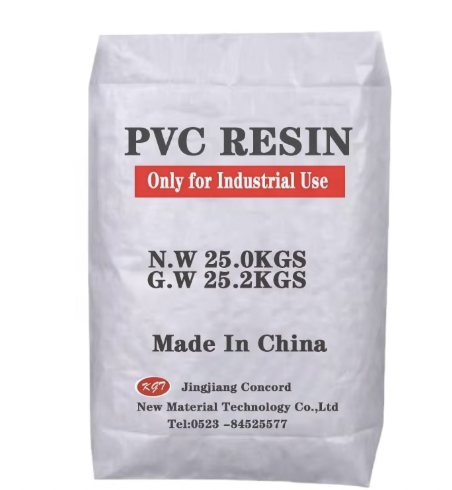
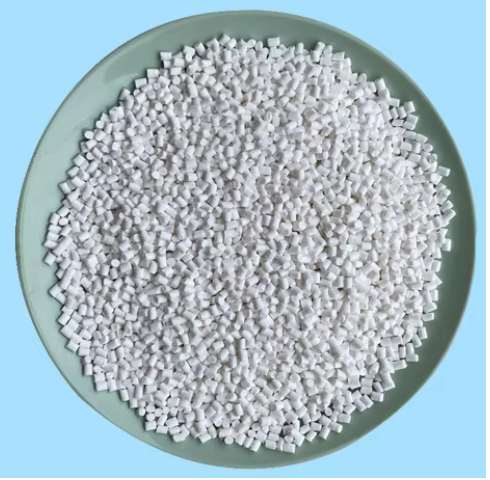
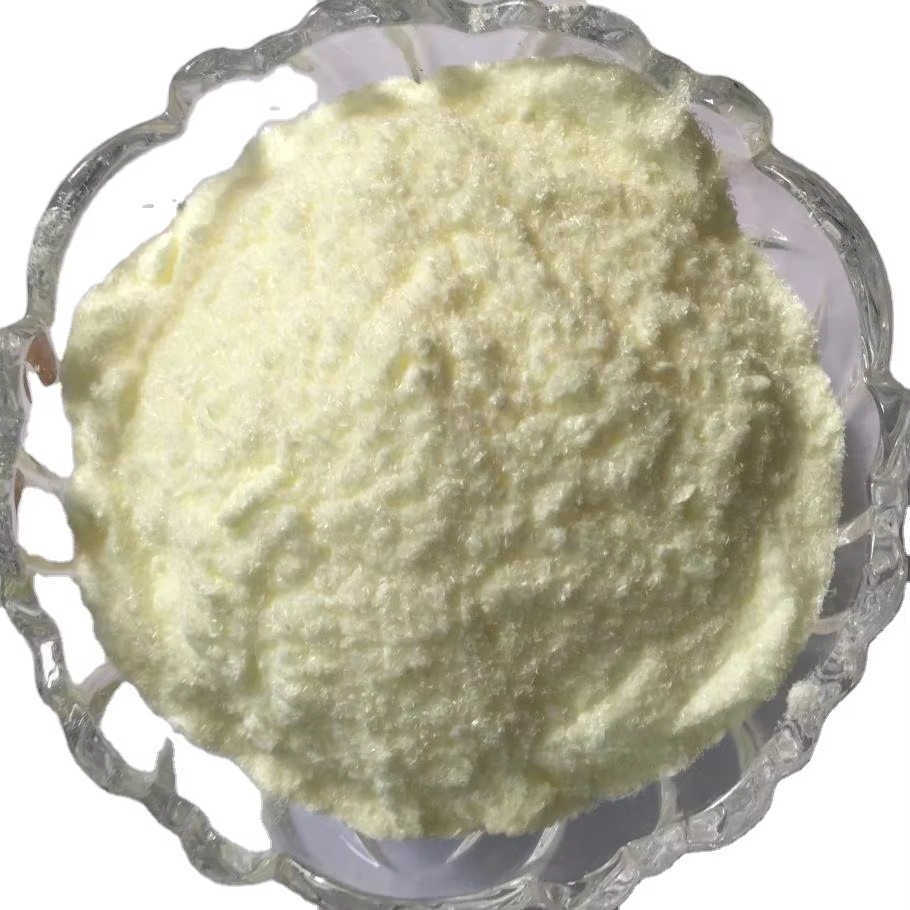
PVC resin, a versatile thermoplastic material, stands as a cornerstone in modern manufacturing and construction industries. When you buy PVC resin, you're investing in a material that offers exceptional durability, chemical resistance, and cost-effectiveness. This synthetic polymer is produced through polymerization of vinyl chloride monomers, resulting in a powder form that can be transformed into various products through different processing methods. The material exhibits remarkable stability across diverse temperature ranges and demonstrates outstanding resistance to weathering, making it ideal for both indoor and outdoor applications. PVC resin serves as the primary component in manufacturing pipes, window frames, flooring, medical devices, and countless other products. Its processing versatility allows for modification with various additives to enhance specific properties such as flexibility, impact resistance, or UV stability. The material's inherent flame-retardant properties and low thermal conductivity make it particularly valuable in construction and electrical applications. Additionally, modern PVC resin production methods emphasize sustainability, with many manufacturers implementing recycling programs and eco-friendly production processes.


Popular Products

Buying PVC resin offers numerous compelling advantages that make it an excellent choice for various manufacturing needs. First, its exceptional cost-effectiveness compared to alternative materials provides significant economic benefits while maintaining high performance standards. The material's outstanding durability ensures long-term reliability, reducing replacement frequency and maintenance costs. PVC resin's versatility in processing allows manufacturers to create products with precise specifications, from rigid structures to flexible components. Its chemical resistance makes it ideal for applications involving exposure to harsh substances, while its weather resistance ensures longevity in outdoor installations. The material's excellent electrical insulation properties make it perfect for cable and wire coating applications. From a safety perspective, PVC resin's inherent flame-retardant properties contribute to creating safer products. The material's low thermal conductivity helps in energy conservation applications, while its lightweight nature reduces transportation and installation costs. Modern PVC resin formulations also address environmental concerns, with many options featuring recycled content and being fully recyclable at the end of their life cycle. The material's adaptability to different manufacturing processes, including extrusion, injection molding, and calendering, provides manufacturers with production flexibility. Additionally, PVC resin's ability to accept various additives allows for customization of properties such as color, texture, and UV resistance, enabling manufacturers to meet specific application requirements effectively.

Latest News

What Is PVC Resin and How Is It Manufactured?

27

Aug

What Is PVC Resin and How Is It Manufactured?

Understanding the Fundamentals of Polyvinyl Chloride Production PVC resin stands as one of the most versatile and widely used synthetic materials in modern manufacturing. As a fundamental building block of countless products, from construction materi...
View More
What Are Halogen-Free Flame Retardants and Their Benefits?

27

Aug

What Are Halogen-Free Flame Retardants and Their Benefits?

Understanding Modern Fire Safety Solutions in Materials In today's rapidly evolving materials industry, halogen-free flame retardants represent a significant advancement in fire safety technology. These innovative compounds are revolutionizing how we...
View More
What Is the Difference Between Core-Shell and Elastomer Tougheners

22

Oct

What Is the Difference Between Core-Shell and Elastomer Tougheners

Understanding Modern Polymer Toughening Technologies In the evolving world of polymer science and materials engineering, toughening agents play a crucial role in enhancing the mechanical properties of plastics and composites. Core-shell and elastomer...
View More
Can Lubricants Improve Demolding in Plastic Injection Molding

22

Oct

Can Lubricants Improve Demolding in Plastic Injection Molding

Enhancing Plastic Production Through Advanced Demolding Solutions The plastic injection molding industry continuously seeks ways to optimize production efficiency and product quality. Among the most crucial aspects of this process is the demolding ph...
View More

Get a Free Quote

Our representative will contact you soon.
Email
Name
Company Name
Message
0/1000

buy pvc resin

Superior Chemical and Weather Resistance

Superior Chemical and Weather Resistance

PVC resin's exceptional resistance to chemical agents and weather conditions sets it apart as a premier material choice. The molecular structure of PVC creates an inherent barrier against chemical degradation, making it highly resistant to acids, bases, salts, and organic compounds. This chemical stability ensures that products manufactured from PVC resin maintain their integrity even when exposed to harsh industrial environments or cleaning agents. The material's weather resistance is equally impressive, as it withstands prolonged exposure to UV radiation, moisture, and temperature fluctuations without significant degradation. This durability translates to extended product lifespans, reduced maintenance requirements, and consistent performance across various environmental conditions. The combination of these resistance properties makes PVC resin particularly valuable in outdoor applications, chemical processing facilities, and areas with challenging environmental conditions.
Versatile Processing Capabilities

Versatile Processing Capabilities

The remarkable processing versatility of PVC resin enables manufacturers to create an extensive range of products through various manufacturing methods. The material's ability to be processed through extrusion, injection molding, calendering, and other techniques provides unprecedented flexibility in product design and manufacturing. This versatility extends to the material's compatibility with different additives, allowing manufacturers to fine-tune properties such as impact resistance, flexibility, and thermal stability. The processing temperature range of PVC resin is particularly favorable, requiring less energy compared to many other thermoplastics, which translates to reduced production costs. Additionally, the material's excellent melt flow characteristics ensure consistent product quality and efficient processing, while its ability to be welded, thermoformed, and machined expands the possibilities for product fabrication and assembly.
Eco-friendly and Sustainable Solutions

Eco-friendly and Sustainable Solutions

Modern PVC resin formulations represent a significant advancement in sustainable material solutions. The production process has been optimized to reduce environmental impact, with many manufacturers implementing closed-loop systems that minimize waste and energy consumption. PVC resin's long service life contributes to resource conservation by reducing the need for frequent replacements. The material's recyclability is particularly noteworthy, as it can be reprocessed multiple times without significant degradation of properties, supporting circular economy initiatives. Furthermore, the low carbon footprint associated with PVC resin production, compared to alternative materials, makes it an environmentally responsible choice. The material's energy-efficient processing requirements and the ability to incorporate recycled content demonstrate its alignment with contemporary sustainability goals.

Get a Free Quote

Our representative will contact you soon.
Email
Name
Company Name
Message
0/1000