polyvinyl chloride suspension
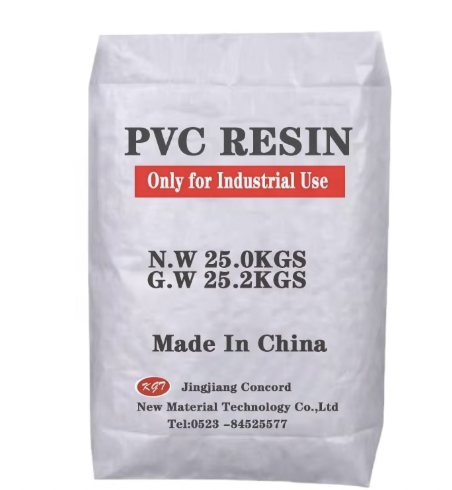
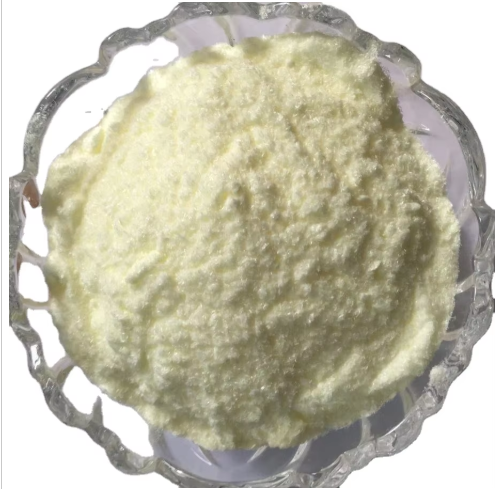
Polyvinyl chloride suspension, commonly known as PVC suspension, represents a crucial form of PVC resin produced through suspension polymerization. This versatile material is created by suspending vinyl chloride monomer droplets in water, using specialized suspending agents and initiators to facilitate the polymerization process. The resulting particles typically range from 100 to 150 microns in diameter, offering excellent processability and consistency. The suspension process yields PVC particles with superior physical properties, including high thermal stability, chemical resistance, and mechanical strength. This method accounts for approximately 80% of global PVC production, making it the most widely used technique in commercial manufacturing. The process allows for precise control over particle size distribution and porosity, which are critical factors in determining the final product's performance characteristics. PVC suspension finds extensive applications across various industries, from construction materials and medical devices to automotive components and consumer goods. The material's versatility stems from its ability to be formulated with different additives, enabling manufacturers to create products with specific properties tailored to their applications. The controlled particle morphology ensures excellent flow properties during processing, leading to superior end-product quality and consistency.

 EN
EN