PVC Resin: Versatile, Durable, and Sustainable Solution for Modern Manufacturing

All Categories

pvc resin use

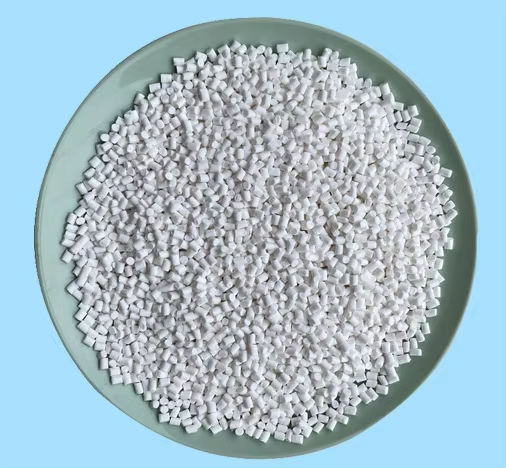
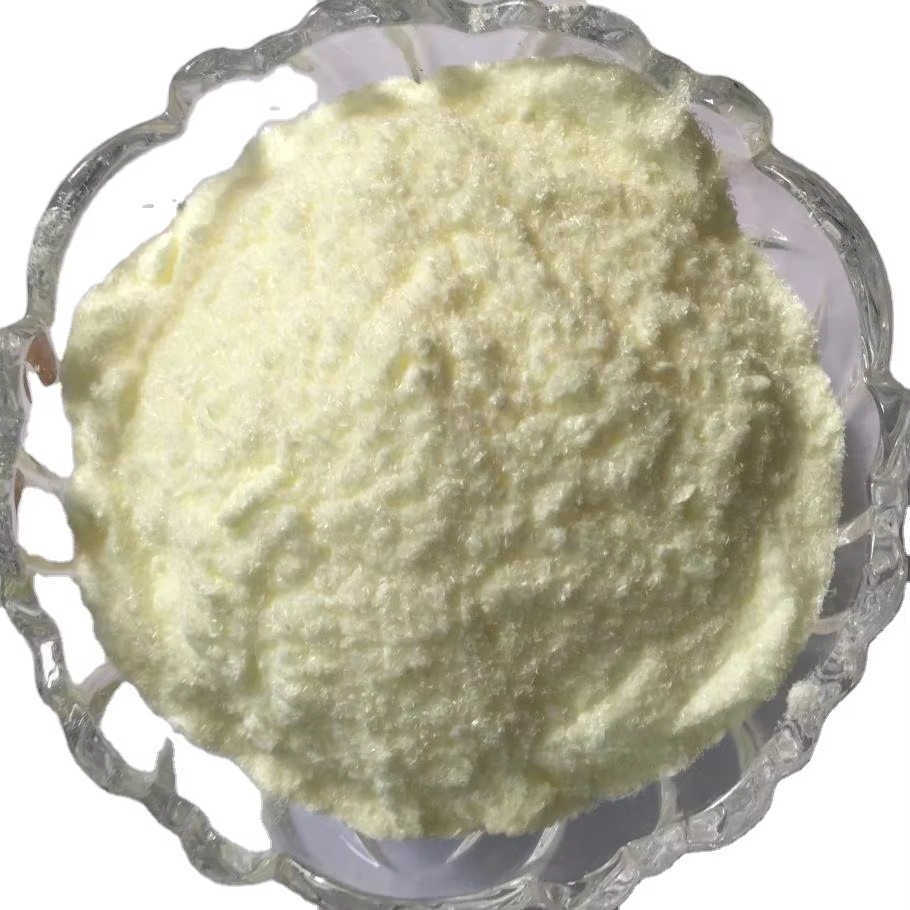
PVC resin serves as a fundamental component in the production of versatile plastic materials, playing a crucial role in numerous industrial and commercial applications. This thermoplastic material is produced through the polymerization of vinyl chloride monomers, resulting in a powder form that can be processed into various products. The resin demonstrates exceptional chemical resistance, durability, and weather resistance, making it ideal for both indoor and outdoor applications. In manufacturing, PVC resin undergoes modification through the addition of plasticizers, stabilizers, and other additives to enhance its properties and create customized solutions for specific applications. Its versatility allows for the production of both rigid and flexible products, ranging from construction materials to medical devices. The material exhibits remarkable fire-resistant properties and maintains structural integrity across a wide temperature range. In modern industry, PVC resin has become indispensable due to its cost-effectiveness, processing ease, and ability to be recycled multiple times without significant degradation in quality. The material's adaptability enables manufacturers to create products with varying degrees of hardness, transparency, and flexibility, meeting diverse market demands.


New Products

PVC resin offers numerous compelling advantages that make it a preferred choice across various industries. First and foremost, its exceptional durability and longevity ensure that products manufactured from PVC resin maintain their performance characteristics over extended periods, reducing replacement costs and maintenance requirements. The material's inherent chemical resistance protects against corrosion, acids, and bases, making it suitable for harsh environment applications. From an economic perspective, PVC resin provides excellent value through its cost-effective production process and lower energy consumption during manufacturing compared to alternative materials. The versatility of PVC resin allows for extensive customization through various additives and processing methods, enabling manufacturers to achieve specific physical and mechanical properties tailored to their needs. Environmental considerations are addressed through the material's recyclability and lower carbon footprint in production compared to many alternatives. Safety features include natural fire resistance and low smoke emission properties, making it suitable for building applications. The material's processing flexibility allows for various manufacturing methods, including extrusion, injection molding, and calendering, providing manufacturers with multiple production options. Additionally, PVC resin's lightweight nature reduces transportation costs and facilitates easier installation of finished products. The material's ability to maintain dimensional stability across different weather conditions ensures reliable performance in both indoor and outdoor applications.

Latest News

 How Do Plasticizers Affect the Mechanical Properties of PVC

11

Sep

How Do Plasticizers Affect the Mechanical Properties of PVC

Understanding the Impact of Plasticizers on PVC Performance Plasticizers play a crucial role in transforming rigid polyvinyl chloride (PVC) into flexible, versatile materials used across numerous industries. These chemical additives fundamentally alt...
View More
Can Stearates Be Used as Lubricants and Stabilizers Together

11

Sep

Can Stearates Be Used as Lubricants and Stabilizers Together

Understanding the Dual Functionality of Stearates in Industrial Applications The versatility of stearates in modern manufacturing and industrial processes has made them invaluable components across various sectors. These remarkable compounds possess ...
View More
How to Optimize Toughening Agent Dosage in Compounding

17

Nov

How to Optimize Toughening Agent Dosage in Compounding

The precision of toughening agent dosage in polymer compounding represents a critical balance between achieving desired mechanical properties and maintaining cost-effectiveness. Industrial manufacturers face mounting pressure to optimize formulations...
View More
What Is the Optimal Lubricant Dosage in PVC Formulation

17

Nov

What Is the Optimal Lubricant Dosage in PVC Formulation

Determining the optimal PVC lubricant dosage is crucial for achieving superior product quality and manufacturing efficiency in polyvinyl chloride processing. The precise balance of lubricants directly impacts melt flow properties, surface finish, the...
View More

Get a Free Quote

Our representative will contact you soon.
Email
Name
Company Name
Message
0/1000

pvc resin use

Superior Chemical and Weather Resistance

Superior Chemical and Weather Resistance

PVC resin's outstanding chemical resistance capabilities make it an exceptional choice for applications requiring protection against corrosive substances and environmental factors. The material's molecular structure provides inherent resistance to a wide range of chemicals, acids, and bases, ensuring long-term durability in challenging environments. This resistance extends to weather exposure, where PVC resin maintains its structural integrity and appearance despite prolonged exposure to UV radiation, moisture, and temperature fluctuations. The material's weather resistance properties are particularly valuable in outdoor applications, where it continues to perform effectively without significant degradation. This durability translates to reduced maintenance requirements and extended product lifecycles, providing substantial cost savings over time.
Versatile Processing and Application Range

Versatile Processing and Application Range

The remarkable versatility of PVC resin in processing and application sets it apart in the plastics industry. Manufacturers can manipulate the material's properties through various additives and processing techniques to achieve specific characteristics such as flexibility, rigidity, transparency, or opacity. This adaptability enables the production of diverse products ranging from rigid pipes and profiles to flexible films and cables. The material's processing versatility accommodates multiple manufacturing methods, including extrusion, injection molding, and calendering, providing manufacturers with extensive production options. This flexibility in processing allows for efficient production scaling and customization to meet specific application requirements.
Sustainable and Cost-Effective Solution

Sustainable and Cost-Effective Solution

PVC resin represents a sustainable and economically viable solution for modern manufacturing needs. The material's production requires less energy compared to many alternative materials, resulting in a lower carbon footprint and reduced environmental impact. Its recyclability supports circular economy initiatives, as PVC products can be recycled multiple times without significant quality loss. From a cost perspective, PVC resin offers excellent value through its efficient production process, long service life, and minimal maintenance requirements. The material's lightweight nature reduces transportation costs and simplifies installation processes, contributing to overall cost savings throughout the product lifecycle.

Get a Free Quote

Our representative will contact you soon.
Email
Name
Company Name
Message
0/1000