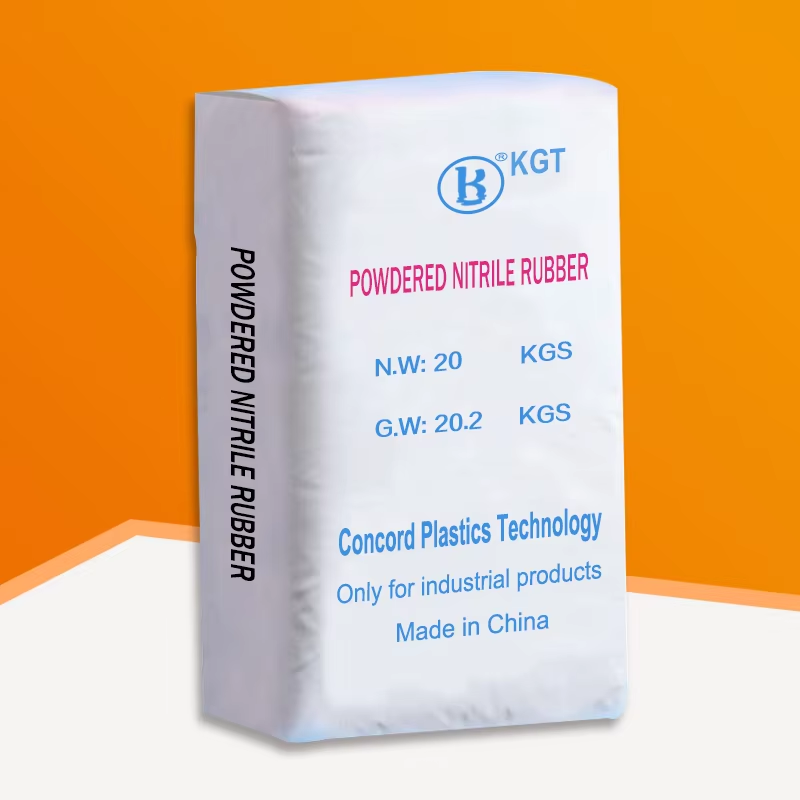
Advanced Chlorinated Polyethylene Flame Retardant: Superior Fire Protection Solution

All Categories

chlorinated polyethylene flame retardant

Chlorinated polyethylene flame retardant is a sophisticated chemical compound designed to enhance the fire resistance properties of various materials. This specialized additive works by incorporating chlorine atoms into the polyethylene molecular structure, creating a robust barrier that inhibits combustion and flame spread. When exposed to heat, it undergoes a controlled decomposition process that releases flame-inhibiting substances, effectively reducing the material's flammability. The compound's unique molecular structure allows for excellent compatibility with multiple polymer systems, making it particularly valuable in applications requiring high flame resistance standards. It demonstrates remarkable thermal stability and maintains its effectiveness throughout the product's lifecycle. The technology behind this flame retardant enables it to provide comprehensive protection while maintaining the host material's essential physical properties. In industrial applications, it proves especially effective in wire and cable insulation, automotive components, and construction materials. The compound's versatility extends to its ability to be customized for specific applications, allowing manufacturers to meet various international fire safety standards and regulations. Its implementation significantly enhances the safety profile of end products while maintaining their structural integrity and performance characteristics.


New Product Releases

The chlorinated polyethylene flame retardant offers numerous compelling advantages that make it a preferred choice in various industries. First, it provides exceptional flame-retardant properties while maintaining the material's physical characteristics, ensuring that products remain functional and durable. The compound's high compatibility with different polymer systems allows for seamless integration into existing manufacturing processes without requiring significant modifications. Its thermal stability ensures long-term effectiveness, reducing the need for frequent replacements or maintenance. The flame retardant demonstrates excellent resistance to environmental factors, including UV radiation and moisture, contributing to extended product life cycles. From a processing standpoint, it offers remarkable ease of handling and incorporation, reducing production complexity and associated costs. The compound's ability to meet stringent international safety standards provides manufacturers with regulatory compliance assurance. Its versatility in application methods, whether through melt blending or other processing techniques, offers manufacturers flexibility in production. The flame retardant's cost-effectiveness becomes apparent through its efficient use rates and the reduced amount needed to achieve desired flame-retardant properties. Additionally, it contributes to improved smoke suppression during combustion, enhancing overall safety characteristics. The material's stability during processing prevents degradation of host polymers, maintaining product quality and reducing waste. Its non-blooming characteristics ensure consistent surface appearance and prevent migration issues in finished products.

Latest News

How Do Calcium and Zinc Stearates Differ in Application?

27

Aug

How Do Calcium and Zinc Stearates Differ in Application?

Understanding the Unique Properties of Metal Stearates In the world of industrial additives and lubricants, metal stearates play a crucial role in various manufacturing processes and end products. Among these versatile compounds, calcium and zinc ste...
View More
Can Toughening Agents Improve Low-Temperature Performance?

27

Aug

Can Toughening Agents Improve Low-Temperature Performance?

The Science Behind Material Enhancement Through Toughening Agents The quest for superior material performance at low temperatures has led scientists and engineers to explore innovative solutions, with toughening agents emerging as a revolutionary app...
View More
How to Choose the Right PVC Resin Grade for Your Application

11

Sep

How to Choose the Right PVC Resin Grade for Your Application

Understanding PVC Resin Properties and Selection Criteria Selecting the appropriate PVC resin grade is crucial for ensuring optimal product performance and manufacturing efficiency. The diverse range of PVC resin grades available today offers varying...
View More
What Is the Impact of Plasticizer on PVC Gelation

17

Nov

What Is the Impact of Plasticizer on PVC Gelation

Understanding the relationship between plasticizers and polyvinyl chloride (PVC) gelation is crucial for manufacturers seeking optimal processing conditions and end-product quality. The impact of plasticizer on PVC gelation fundamentally alters the t...
View More

Get a Free Quote

Our representative will contact you soon.
Email
Name
Company Name
Message
0/1000

chlorinated polyethylene flame retardant

Superior Fire Protection Technology

Superior Fire Protection Technology

The chlorinated polyethylene flame retardant employs advanced chemical engineering to provide exceptional fire protection capabilities. Its molecular structure creates multiple layers of defense against flame propagation, effectively interrupting the combustion process at various stages. The compound's unique composition allows it to release flame-inhibiting substances precisely when needed, creating a protective char layer that prevents further burning. This sophisticated mechanism operates without compromising the host material's structural integrity or performance characteristics. The technology's effectiveness is particularly evident in its ability to maintain protection even under extreme conditions, ensuring reliable fire safety in challenging environments. The system's ability to self-extinguish flames significantly reduces fire spread risks, making it invaluable in high-risk applications.
Environmental Durability and Longevity

Environmental Durability and Longevity

One of the most significant attributes of this flame retardant is its exceptional environmental durability. The compound maintains its effectiveness through various environmental challenges, including exposure to UV radiation, moisture, and temperature fluctuations. This resilience ensures consistent protection throughout the product's entire lifecycle, reducing maintenance requirements and replacement frequency. The material's stability prevents degradation or leaching, maintaining its flame-retardant properties even under harsh conditions. Its resistance to environmental factors makes it particularly suitable for outdoor applications and environments with varying weather conditions. The long-term stability also contributes to cost-effectiveness by extending the service life of treated materials.
Versatile Processing Integration

Versatile Processing Integration

The chlorinated polyethylene flame retardant demonstrates remarkable versatility in processing integration, making it highly valuable for manufacturers across different industries. Its compatibility with various polymer systems allows for seamless incorporation into existing manufacturing processes without requiring significant modifications to equipment or procedures. The compound's thermal stability during processing ensures consistent quality and prevents degradation issues that might affect the final product. Its efficient dispersion characteristics enable uniform distribution throughout the host material, ensuring comprehensive protection. The material's processing flexibility allows for various application methods, including melt blending, extrusion, and injection molding, providing manufacturers with multiple options for integration based on their specific requirements and capabilities.

Get a Free Quote

Our representative will contact you soon.
Email
Name
Company Name
Message
0/1000