
 EN
EN
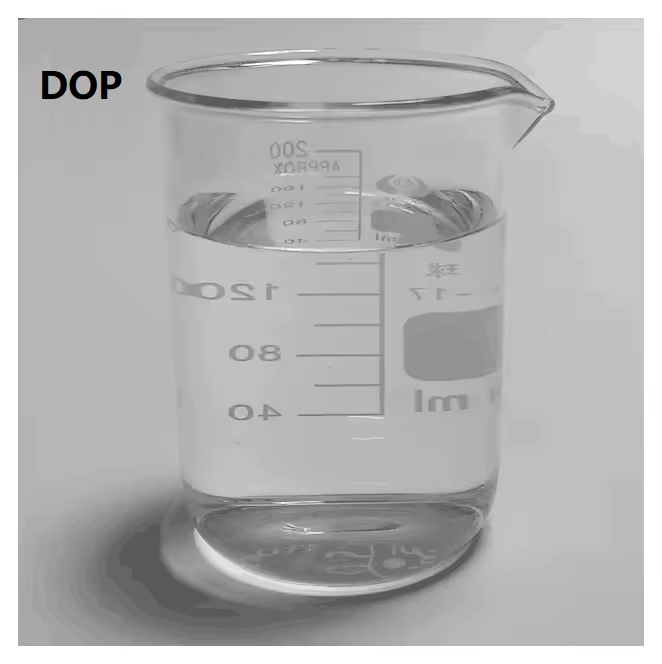
Understanding the relationship between plasticizers and polyvinyl chloride (PVC) gelation is crucial for manufacturers seeking optimal processing conditions and end-product quality. The impact of plasticizer on PVC gelation fundamentally alters the thermal behavior, mechanical properties, and processing characteristics of PVC compounds. This complex interaction determines how effectively PVC particles fuse together during thermal processing, ultimately affecting the final product's performance and durability. Modern industrial applications demand precise control over gelation parameters to achieve consistent quality standards across diverse manufacturing environments.
Understanding PVC Gelation Fundamentals
The Science Behind PVC Particle Fusion
PVC gelation represents the critical phase transformation where individual polymer particles lose their distinct boundaries and merge into a homogeneous mass. This process occurs when sufficient thermal energy overcomes intermolecular forces, allowing polymer chains to entangle and create a continuous matrix. The gelation temperature typically ranges between 160-180°C for pure PVC, but this threshold significantly changes when plasticizers enter the equation. The molecular weight distribution of PVC resin, particle size, and thermal history all influence the gelation behavior, making it essential to understand these variables for successful processing.
During gelation, PVC undergoes several distinct phases: initial softening, particle boundary dissolution, chain mobility increase, and final homogenization. Each stage requires specific temperature and time conditions to proceed effectively. The presence of plasticizers dramatically alters these phase transitions by reducing the glass transition temperature and increasing polymer chain mobility at lower temperatures. This fundamental change enables processors to achieve complete gelation under milder conditions, reducing energy consumption and minimizing thermal degradation risks.
Thermal Behavior Modifications
Temperature plays the dominant role in PVC gelation kinetics, with plasticizers serving as thermal behavior modifiers that fundamentally reshape the gelation profile. Unplasticized PVC exhibits a sharp gelation onset with narrow processing windows, creating challenges for consistent processing. Plasticized formulations demonstrate broader gelation ranges with gradual onset characteristics, providing manufacturers greater process flexibility and improved quality control opportunities. The thermal conductivity of plasticized compounds also differs significantly, affecting heat transfer rates during processing.
Heat capacity changes accompany plasticizer incorporation, influencing the energy requirements for complete gelation. Lower heat capacity values in plasticized systems mean faster heating rates and reduced processing times. However, this also demands more precise temperature control to prevent overheating and subsequent degradation. The relationship between plasticizer content and thermal behavior follows predictable patterns, enabling formulators to design compounds with specific gelation characteristics tailored to particular processing equipment and production requirements.
Plasticizer Types and Their Gelation Effects
Primary Plasticizers and Gelation Characteristics
Primary plasticizers, such as dioctyl phthalate (DOP) and diisononyl phthalate (DINP), demonstrate strong compatibility with PVC and produce dramatic effects on gelation behavior. These plasticizers effectively solvate PVC chains, reducing intermolecular attractions and lowering gelation temperatures by 20-40°C depending on concentration levels. The molecular structure of primary plasticizers enables deep penetration between polymer chains, creating lasting flexibility and maintaining gelation benefits throughout the product lifecycle. Processing advantages include reduced mixing temperatures, shorter fusion times, and improved melt flow characteristics.
Different primary plasticizers exhibit varying gelation efficiency levels based on their molecular weight and chemical structure. Lower molecular weight plasticizers generally provide faster gelation kinetics but may compromise long-term product stability through migration. Higher molecular weight alternatives offer improved permanence while requiring slightly elevated processing temperatures. The choice between different primary plasticizers involves balancing gelation performance against end-use requirements, regulatory compliance, and cost considerations that vary across industrial applications.
Secondary Plasticizers and Synergistic Effects
Secondary plasticizers, including epoxidized soybean oil and chlorinated paraffins, typically exhibit limited PVC compatibility when used alone but create powerful synergistic effects when combined with primary plasticizers. The plasticizer on PVC gelation impact becomes more complex in these blended systems, as secondary plasticizers can modify gelation kinetics while providing additional functional benefits such as thermal stability or flame resistance. These combinations often result in unique gelation profiles that cannot be achieved through single-plasticizer formulations.
The interaction mechanisms between primary and secondary plasticizers influence gelation through multiple pathways. Secondary plasticizers may act as processing aids, reducing melt viscosity and improving heat transfer during fusion. Some secondary plasticizers contribute reactive functionality that enhances polymer chain entanglement during gelation. Understanding these synergistic relationships enables formulators to optimize gelation performance while achieving multiple property targets simultaneously, creating more versatile and cost-effective PVC compounds for specialized applications.
Processing Parameters and Gelation Optimization
Temperature Control Strategies
Effective temperature control represents the cornerstone of successful PVC gelation management in plasticized systems. Processing equipment must maintain precise temperature profiles that accommodate the modified gelation characteristics introduced by plasticizers. Lower gelation temperatures reduce energy costs but require enhanced temperature uniformity to prevent incomplete fusion or localized overheating. Modern processing systems incorporate advanced temperature monitoring and control technologies that respond rapidly to the changed thermal requirements of plasticized PVC compounds.
Temperature ramping strategies become particularly critical when managing plasticized PVC gelation. Gradual temperature increases allow thorough plasticizer distribution and prevent thermal shock that could compromise final product quality. Rapid heating may cause uneven gelation, creating weak spots or surface defects in finished products. The optimal temperature profile depends on plasticizer type, concentration, and processing equipment characteristics, requiring careful optimization for each specific formulation and production setup.
Mixing and Shear Considerations
Mechanical energy input through mixing and shear forces significantly influences gelation behavior in plasticized PVC systems. Proper mixing ensures uniform plasticizer distribution before gelation begins, preventing localized variations that could compromise product integrity. Excessive shear during gelation can generate unwanted heat, potentially causing degradation or creating processing difficulties. The relationship between mechanical work input and thermal energy becomes more complex in plasticized systems, requiring balanced approaches that optimize both mixing efficiency and gelation quality.
Shear rate sensitivity varies considerably between different plasticizer types and concentrations. Some plasticized formulations exhibit shear-thinning behavior that facilitates processing, while others may demonstrate shear-thickening characteristics that complicate flow management. Understanding these rheological properties enables processors to select appropriate equipment configurations and operating parameters. Mixing sequence optimization, including plasticizer addition timing and blending duration, directly impacts final gelation uniformity and processing efficiency across industrial production environments.

Quality Control and Performance Evaluation
Gelation Assessment Methods
Quantitative evaluation of plasticizer effects on PVC gelation requires sophisticated analytical techniques that can detect subtle changes in polymer structure and properties. Differential scanning calorimetry (DSC) provides detailed thermal transition information, revealing how plasticizers modify gelation onset temperatures and fusion enthalpies. Dynamic mechanical analysis (DMA) offers insights into viscoelastic property changes during gelation, helping processors optimize temperature and time parameters for complete fusion. These analytical tools enable precise characterization of gelation behavior across different plasticizer formulations.
Microscopic examination techniques, including polarized light microscopy and scanning electron microscopy, reveal structural details about gelation completeness and uniformity. Incomplete gelation appears as distinct particle boundaries or heterogeneous regions that compromise mechanical properties. Advanced imaging methods can detect gelation defects invisible to conventional quality control measures, enabling early intervention before processing problems affect production yields. Regular gelation monitoring using these techniques ensures consistent product quality and helps identify optimal processing parameters for specific formulations.
Performance Validation Protocols
Comprehensive performance testing validates the success of plasticizer-modified gelation processes through systematic evaluation of key product properties. Mechanical testing protocols assess tensile strength, elongation, and impact resistance to confirm that gelation modifications enhance rather than compromise structural integrity. Thermal stability testing evaluates long-term performance under elevated temperature conditions, ensuring that gelation improvements do not introduce unexpected degradation pathways. These validation procedures provide confidence in process modifications and support quality assurance programs.
Accelerated aging studies simulate extended service conditions to verify that plasticizer-induced gelation changes maintain product performance over time. Migration testing evaluates plasticizer retention and confirms that improved gelation does not increase plasticizer loss rates. Environmental stress testing under various temperature, humidity, and chemical exposure conditions validates product durability. Comprehensive validation protocols ensure that gelation optimization delivers lasting benefits without introducing hidden performance risks that could affect product reliability in demanding applications.
Industrial Applications and Case Studies
Flexible PVC Manufacturing
Flexible PVC manufacturing represents the largest commercial application where plasticizer effects on gelation directly impact production efficiency and product quality. Cable insulation production requires precise gelation control to achieve consistent wall thickness and optimal electrical properties. The plasticizer content in these applications typically ranges from 30-80 parts per hundred parts resin (phr), creating dramatic gelation behavior changes that processors must accommodate through modified equipment settings and process parameters. Successful flexible PVC operations depend on understanding how different plasticizer systems affect gelation kinetics.
Flooring and roofing membrane production exemplifies how gelation optimization translates into commercial advantages. Lower gelation temperatures enabled by appropriate plasticizer selection reduce energy consumption while improving surface quality and dimensional stability. Processing line speeds can increase when gelation occurs more readily, improving productivity and reducing manufacturing costs. Quality improvements in surface finish and mechanical properties often result from optimized gelation processes that ensure complete polymer fusion throughout the product cross-section.
Medical and Food-Grade Applications
Medical device manufacturing requires specialized plasticizer systems that maintain excellent gelation characteristics while meeting stringent biocompatibility requirements. Blood bags, tubing, and other medical products demand complete gelation to prevent leachable compounds while maintaining flexibility under sterilization conditions. The selection of medical-grade plasticizers often involves trade-offs between gelation efficiency and regulatory compliance, requiring careful optimization of processing parameters to achieve acceptable quality standards. Advanced analytical monitoring ensures that gelation processes meet medical industry requirements.
Food packaging applications present unique challenges where plasticizer migration concerns must be balanced against processing requirements. Food-grade plasticizers may exhibit different gelation characteristics compared to conventional alternatives, necessitating process adjustments to maintain production efficiency. The impact of plasticizer selection on gelation behavior becomes critical when processing thin-walled containers or films where incomplete gelation could compromise barrier properties. Successful food-grade PVC processing relies on understanding these specialized gelation requirements and implementing appropriate quality control measures.
FAQ
How do plasticizers reduce PVC gelation temperature
Plasticizers reduce PVC gelation temperature by increasing polymer chain mobility and reducing intermolecular forces between PVC molecules. They act as molecular lubricants, allowing polymer chains to move more freely at lower temperatures. This plasticization effect typically lowers gelation onset temperatures by 20-40°C depending on plasticizer type and concentration. The reduction occurs because plasticizers disrupt polymer-polymer interactions, making it easier for PVC particles to fuse together during thermal processing.
What is the optimal plasticizer concentration for gelation efficiency
The optimal plasticizer concentration varies depending on the specific application and desired properties, but typically ranges from 20-60 parts per hundred parts resin (phr) for most flexible PVC applications. Lower concentrations (10-30 phr) provide moderate gelation improvements while maintaining structural rigidity. Higher concentrations (40-80 phr) dramatically improve gelation kinetics but may compromise mechanical strength. The key is balancing gelation efficiency against end-use property requirements, processing economics, and regulatory constraints specific to each application.
Can different plasticizers be combined to optimize gelation
Yes, combining primary and secondary plasticizers often provides superior gelation characteristics compared to single-plasticizer systems. Primary plasticizers like DOP or DINP provide the main gelation benefits, while secondary plasticizers such as epoxidized oils can enhance processing performance and provide additional functionality. These combinations may offer synergistic effects that improve gelation uniformity, reduce processing temperatures further, or provide cost advantages. Careful selection and testing ensure compatibility and optimal performance in the intended application.
How does gelation quality affect final product performance
Gelation quality directly impacts mechanical properties, durability, and appearance of finished PVC products. Complete gelation ensures uniform stress distribution, maximizing tensile strength and impact resistance. Incomplete gelation creates weak spots where particle boundaries remain, leading to premature failure under stress. Poor gelation also affects surface quality, causing roughness or opacity in applications requiring smooth, clear finishes. Proper gelation optimization through appropriate plasticizer selection ensures consistent product performance and extends service life across diverse industrial applications.