Oxidised Polyethylene Wax: Advanced Performance Additive for Industrial Applications

All Categories

oxidised polyethylene wax

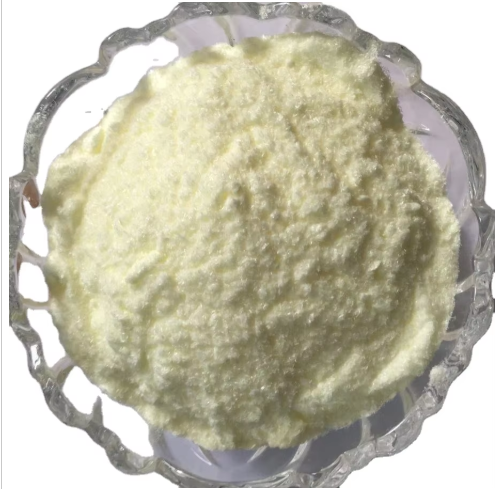
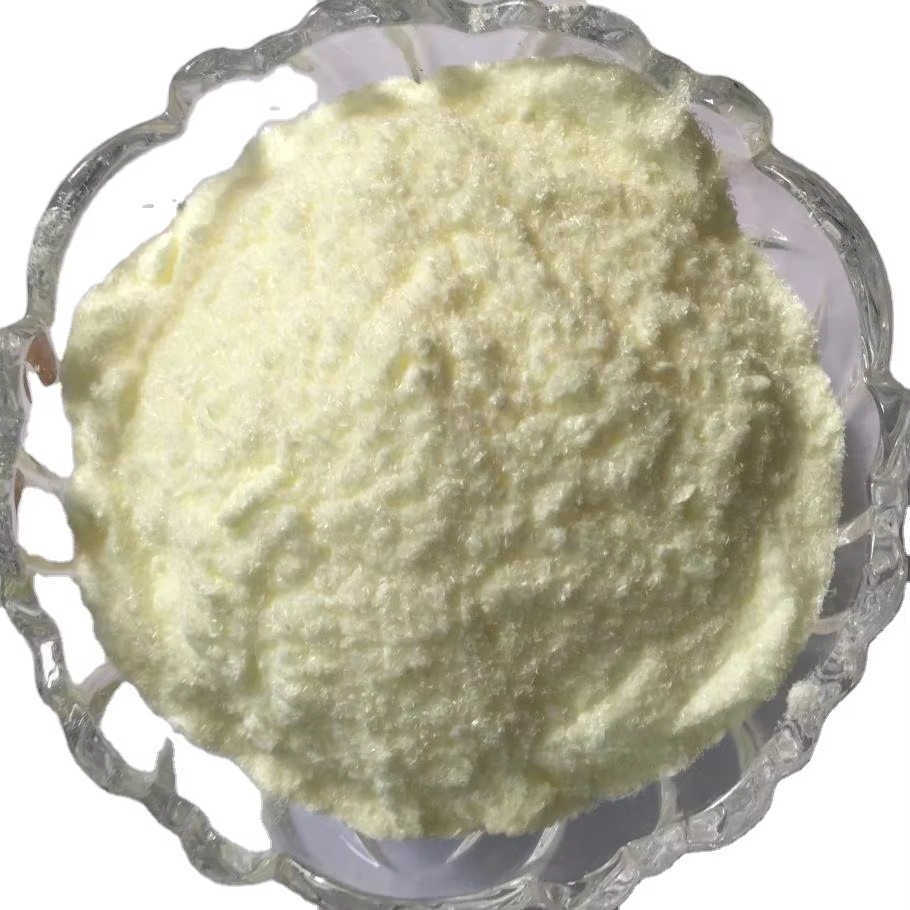
Oxidised polyethylene wax is a sophisticated polymer material created through controlled oxidation of polyethylene under specific temperature and pressure conditions. This versatile compound features enhanced polarity and higher melting points compared to its non-oxidised counterparts, typically ranging from 100°C to 140°C. The material exhibits excellent dispersion properties, superior hardness, and remarkable compatibility with various substrates. The oxidation process introduces functional groups like carboxyl and hydroxyl, which significantly improve its emulsification capabilities and adhesion properties. In industrial applications, oxidised polyethylene wax serves as an integral component in numerous formulations, including PVC processing, where it acts as an external lubricant and release agent. The material's unique chemical structure enables it to perform effectively as a dispersing agent in printing inks, coatings, and color masterbatch productions. Its high acid value and enhanced surface properties make it particularly valuable in applications requiring superior slip characteristics and anti-blocking properties. The wax's molecular weight distribution and oxidation degree can be precisely controlled during manufacturing, allowing for customization to meet specific application requirements.


New Products

Oxidised polyethylene wax offers numerous practical benefits that make it an invaluable material across various industries. First, its enhanced polarity significantly improves compatibility with polar substrates, resulting in better adhesion and more uniform dispersion in final products. The material's high melting point ensures excellent thermal stability, maintaining performance integrity even under demanding processing conditions. Users benefit from improved processing efficiency due to the wax's superior lubricating properties, which reduce equipment wear and energy consumption during manufacturing. The material's excellent dispersing capabilities lead to better pigment distribution in coating applications, resulting in more consistent and higher quality finished products. In packaging applications, the wax's anti-blocking properties prevent material sticking, improving production efficiency and product quality. The material's controlled oxidation level allows for precise customization, enabling manufacturers to optimize performance for specific applications. Its excellent emulsification properties facilitate stable dispersion in water-based systems, expanding its utility in environmentally friendly formulations. The wax's ability to enhance surface properties leads to improved scratch resistance and surface finish in final products. Additionally, its chemical stability ensures long-term performance reliability, reducing maintenance requirements and extending product life cycles.

Practical Tips

What Are the Most Common Lubricants Used in PVC Extrusion

11

Sep

What Are the Most Common Lubricants Used in PVC Extrusion

Understanding the Role of Lubricants in PVC Processing The success of PVC extrusion operations heavily depends on the selection and proper use of lubricants. These essential additives play a crucial role in facilitating the smooth processing of PVC c...
View More
How to Choose the Right PVC Resin Grade for Your Application

11

Sep

How to Choose the Right PVC Resin Grade for Your Application

Understanding PVC Resin Properties and Selection Criteria Selecting the appropriate PVC resin grade is crucial for ensuring optimal product performance and manufacturing efficiency. The diverse range of PVC resin grades available today offers varying...
View More
What Is the Difference Between Core-Shell and Elastomer Tougheners

22

Oct

What Is the Difference Between Core-Shell and Elastomer Tougheners

Understanding Modern Polymer Toughening Technologies In the evolving world of polymer science and materials engineering, toughening agents play a crucial role in enhancing the mechanical properties of plastics and composites. Core-shell and elastomer...
View More
Can Lubricants Improve Demolding in Plastic Injection Molding

17

Nov

Can Lubricants Improve Demolding in Plastic Injection Molding

Plastic injection molding presents numerous challenges throughout the manufacturing process, with demolding representing one of the most critical stages that can significantly impact production efficiency and product quality. The successful release o...
View More

Get a Free Quote

Our representative will contact you soon.
Email
Name
Company Name
Message
0/1000

oxidised polyethylene wax

Superior Dispersion and Compatibility

Superior Dispersion and Compatibility

Oxidised polyethylene wax demonstrates exceptional dispersion capabilities, setting it apart in the market. The controlled oxidation process creates a unique molecular structure with optimal polarity, enabling the material to effectively disperse and stabilize various additives, pigments, and fillers. This enhanced compatibility stems from the presence of carefully engineered functional groups, which facilitate strong interactions with both polar and non-polar substances. In practical applications, this translates to more uniform distribution of components in final products, resulting in superior quality and consistency. The material's excellent dispersion properties particularly benefit industries such as printing inks, where even pigment distribution is crucial for color accuracy and print quality. The wax's ability to maintain stable dispersions over time also contributes to extended shelf life and reduced settling in liquid formulations.
Enhanced Processing Efficiency

Enhanced Processing Efficiency

The unique chemical structure of oxidised polyethylene wax delivers significant improvements in processing efficiency across various manufacturing operations. Its optimized melting point range ensures smooth processing while maintaining thermal stability, reducing production disruptions and material waste. The wax's excellent lubrication properties minimize friction during processing, leading to reduced energy consumption and equipment wear. This enhanced efficiency translates to lower operational costs and increased production throughput. The material's anti-blocking characteristics prevent unwanted adhesion between surfaces, facilitating smoother material handling and reducing production bottlenecks. These properties make it particularly valuable in high-speed manufacturing environments where consistent performance and minimal downtime are essential.
Versatile Application Potential

Versatile Application Potential

Oxidised polyethylene wax exhibits remarkable versatility across numerous applications, making it a valuable solution for diverse industrial needs. Its carefully controlled oxidation level allows for precise tailoring of properties to meet specific application requirements, from coating additives to processing aids. The material's excellent compatibility with various substrates enables its use in multiple formulations, including water-based systems, expanding its application scope to environmentally conscious solutions. In the packaging industry, its anti-blocking and slip properties enhance product quality and processing efficiency. The wax's ability to improve surface properties makes it ideal for applications requiring enhanced scratch resistance and surface finish. This versatility, combined with its reliable performance, makes it a cost-effective solution for manufacturers seeking to optimize their processes and product quality.

Get a Free Quote

Our representative will contact you soon.
Email
Name
Company Name
Message
0/1000