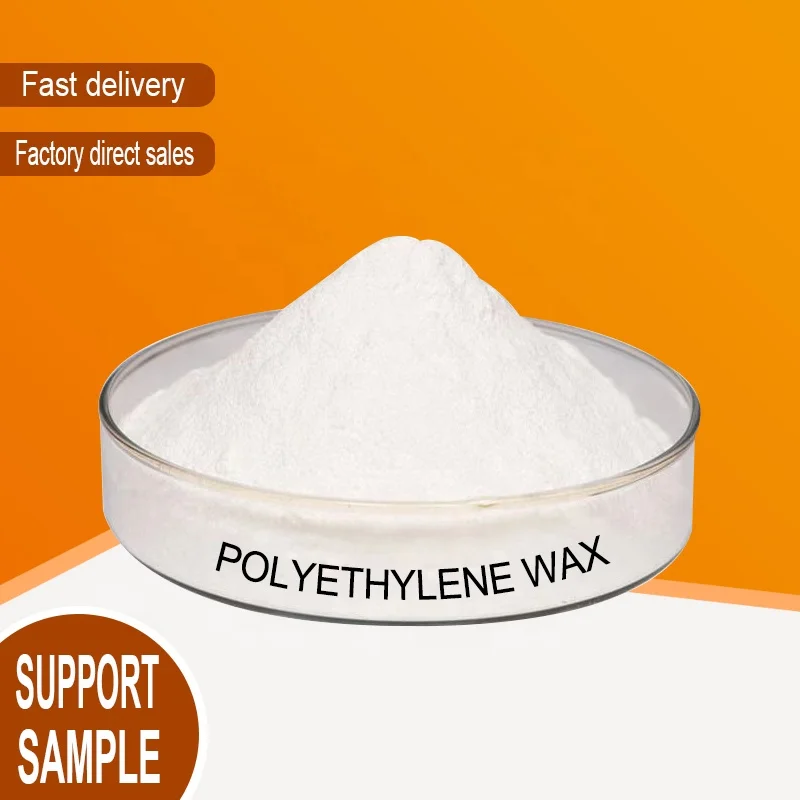
Polyethylene Wax Price: Premium Quality and Cost-Effective Solutions for Industrial Applications

All Categories

polyethylene wax price

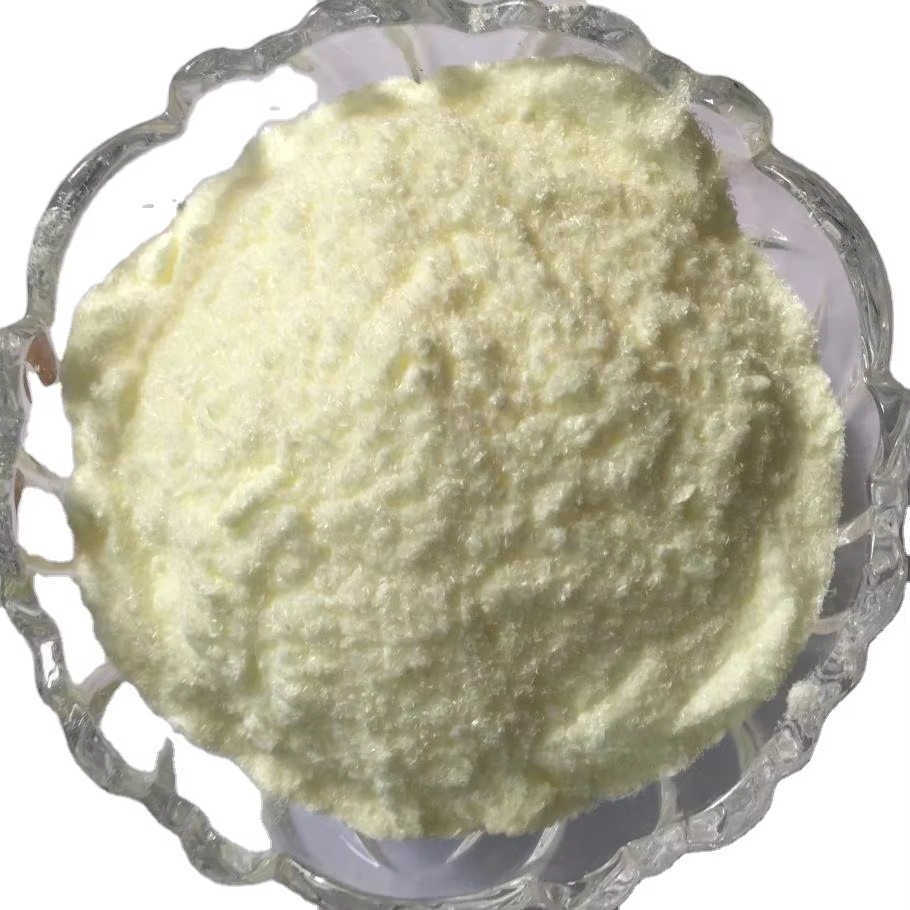
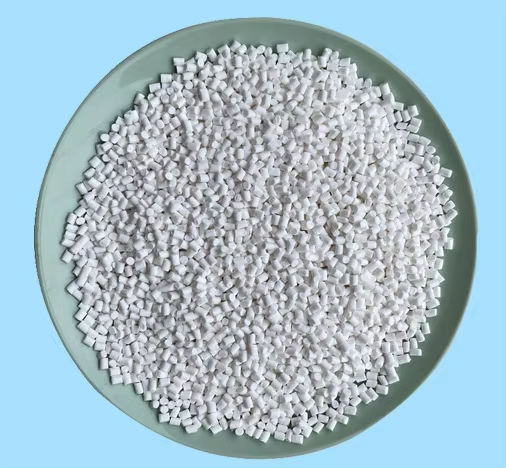
Polyethylene wax price represents a crucial factor in various industrial applications, reflecting the market dynamics of this versatile synthetic wax product. Derived from the polymerization of ethylene, polyethylene wax serves as an essential component in numerous manufacturing processes. The price fluctuates based on several factors, including raw material costs, production capacity, and market demand. This versatile material exhibits exceptional properties, including low viscosity, high melting point, and excellent thermal stability, making it indispensable in multiple industries. The pricing structure typically varies according to grades, with oxidized, high-density, and low-density variants commanding different market values. In industrial applications, polyethylene wax functions as a crucial additive in plastic processing, serving as a lubricant and dispersing agent. The material's price point also reflects its significance in the production of coatings, where it enhances surface properties and provides wear resistance. The global market continues to show steady growth, driven by expanding applications in industries such as packaging, textiles, and cosmetics. Manufacturing efficiency and economies of scale play vital roles in determining the final price point, making it essential for buyers to understand market trends and supplier capabilities.


Popular Products

The polyethylene wax price offers several compelling advantages that make it an attractive option for various industrial applications. First, its cost-effectiveness in relation to performance makes it an economically viable choice for manufacturers seeking quality additives. The pricing structure allows for scalable implementation across different production volumes, enabling businesses to optimize their operational costs. The material's versatility justifies its price point, as it can replace multiple additives in certain applications, potentially reducing overall production costs. Market competition has led to competitive pricing strategies, benefiting end-users through improved cost-performance ratios. The price point reflects the material's high quality and consistent performance, ensuring reliable results in manufacturing processes. Additionally, the relatively stable price trends make it easier for businesses to plan and budget their material costs effectively. The material's long shelf life and minimal storage requirements contribute to cost savings in inventory management. Its efficiency in small quantities reduces waste and optimizes usage, providing better value for money. The pricing structure often includes bulk purchase options, offering additional cost benefits for large-scale operations. The material's compatibility with existing processing equipment eliminates the need for costly machinery modifications, further enhancing its economic appeal. The price point also factors in the material's environmental benefits, as it can contribute to reducing energy consumption in certain applications.

Practical Tips

What Is the Difference Between Core-Shell and Elastomer Tougheners

22

Oct

What Is the Difference Between Core-Shell and Elastomer Tougheners

Understanding Modern Polymer Toughening Technologies In the evolving world of polymer science and materials engineering, toughening agents play a crucial role in enhancing the mechanical properties of plastics and composites. Core-shell and elastomer...
View More
What Are the Main Types of Flame Retardants for Thermoplastics

22

Oct

What Are the Main Types of Flame Retardants for Thermoplastics

Understanding Modern Flame Retardant Solutions in Thermoplastic Materials The growing demand for safer plastic materials has placed flame retardants for thermoplastics at the forefront of materials science innovation. These essential additives play a...
View More
How to Control Plasticizer Migration in Finished Products

22

Oct

How to Control Plasticizer Migration in Finished Products

Understanding the Impact of Plasticizer Migration on Product Quality Plasticizer migration represents a significant challenge in the manufacturing industry, affecting product quality, durability, and safety across various sectors. This phenomenon occ...
View More
What Is the Impact of Plasticizer on PVC Gelation

17

Nov

What Is the Impact of Plasticizer on PVC Gelation

Understanding the relationship between plasticizers and polyvinyl chloride (PVC) gelation is crucial for manufacturers seeking optimal processing conditions and end-product quality. The impact of plasticizer on PVC gelation fundamentally alters the t...
View More

Get a Free Quote

Our representative will contact you soon.
Email
Name
Company Name
Message
0/1000

polyethylene wax price

Cost-Effective Performance Enhancement

Cost-Effective Performance Enhancement

The polyethylene wax price delivers exceptional value through its ability to significantly enhance product performance while maintaining cost-effectiveness. This pricing advantage becomes particularly evident in applications requiring superior surface properties and processing characteristics. The material's efficient use in production processes means that even small quantities can achieve noticeable improvements in final product quality. The cost structure reflects its high performance-to-price ratio, making it an economical choice for manufacturers seeking to optimize their production costs without compromising on quality. The pricing model also accounts for the material's ability to reduce processing times and energy consumption, contributing to overall operational cost savings.
Market-Driven Pricing Flexibility

Market-Driven Pricing Flexibility

The polyethylene wax price structure demonstrates remarkable flexibility, adapting to various market conditions while maintaining value for customers. This dynamic pricing model reflects current market demands and raw material costs, ensuring fair pricing across different regions and applications. The price points are strategically positioned to accommodate different grade requirements, allowing customers to select the most cost-effective option for their specific needs. This flexibility extends to volume-based pricing tiers, enabling businesses of all sizes to access high-quality materials at competitive rates. The pricing strategy also considers seasonal variations and industry demands, providing stability and predictability for long-term planning.
Quality-Price Balance

Quality-Price Balance

The polyethylene wax price structure maintains an optimal balance between quality and affordability, ensuring customers receive maximum value for their investment. This careful calibration reflects the material's high purity levels, consistent performance, and reliable supply chain management. The pricing model incorporates quality control measures and certification costs, guaranteeing that customers receive products meeting international standards. The price point also accounts for technical support and product development services, adding value beyond the basic material cost. This balanced approach to pricing ensures that customers can access premium-grade materials without excessive cost burdens, while maintaining the high standards necessary for critical applications.

Get a Free Quote

Our representative will contact you soon.
Email
Name
Company Name
Message
0/1000