Polyethylene Wax Uses: Versatile Solutions for Enhanced Industrial Performance

All Categories

polyethylene wax uses

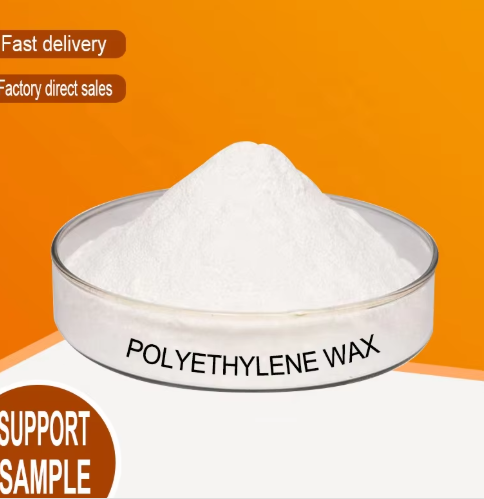
Polyethylene wax serves as a versatile industrial material with numerous applications across various sectors. This synthetic wax, derived from polyethylene through controlled polymerization processes, exhibits exceptional properties that make it invaluable in multiple manufacturing processes. It functions as an effective lubricant, dispersing agent, and processing aid in plastic production, offering superior slip properties and enhanced surface finish. In the coating industry, polyethylene wax plays a crucial role in improving scratch resistance, surface smoothness, and wear resistance of various finishes. The material's low molecular weight and crystalline structure contribute to its excellent thermal stability and compatibility with different polymer systems. It finds extensive use in hot melt adhesives, where it helps control viscosity and improves adhesion properties. Additionally, polyethylene wax serves as an important component in color masterbatch production, PVC processing, and rubber compounds, where it acts as an internal and external lubricant. The material's ability to enhance processing efficiency while maintaining product quality has made it indispensable in modern manufacturing operations.


New Product Releases

Polyethylene wax offers numerous advantages that make it a preferred choice in various industrial applications. First, its excellent thermal stability ensures consistent performance across a wide temperature range, making it ideal for high temperature processing environments. The material's low molecular weight contributes to superior dispersibility, allowing for uniform distribution in compound formulations. In terms of processing efficiency, polyethylene wax significantly reduces cycle times and energy consumption by lowering the friction coefficient during production. The wax's ability to improve surface properties results in enhanced product aesthetics and durability, particularly in plastic and coating applications. Cost effectiveness is another significant advantage, as small quantities can achieve substantial improvements in processing and end product characteristics. The material's versatility allows it to function effectively as both an internal and external lubricant, reducing the need for multiple additives. Environmental considerations are also addressed, as polyethylene wax is non toxic and compliant with various regulatory requirements. Its compatibility with different polymer systems ensures broad applicability across various manufacturing processes. The wax's role in improving mold release properties leads to increased production efficiency and reduced maintenance requirements. Additionally, its contribution to enhanced wear resistance and scratch resistance in final products results in longer lasting, higher quality goods.

Practical Tips

Can Stearates Be Used as Lubricants and Stabilizers Together

11

Sep

Can Stearates Be Used as Lubricants and Stabilizers Together

Understanding the Dual Functionality of Stearates in Industrial Applications The versatility of stearates in modern manufacturing and industrial processes has made them invaluable components across various sectors. These remarkable compounds possess ...
View More
What Is the Difference Between Core-Shell and Elastomer Tougheners

22

Oct

What Is the Difference Between Core-Shell and Elastomer Tougheners

Understanding Modern Polymer Toughening Technologies In the evolving world of polymer science and materials engineering, toughening agents play a crucial role in enhancing the mechanical properties of plastics and composites. Core-shell and elastomer...
View More
How to Control Plasticizer Migration in Finished Products

22

Oct

How to Control Plasticizer Migration in Finished Products

Understanding the Impact of Plasticizer Migration on Product Quality Plasticizer migration represents a significant challenge in the manufacturing industry, affecting product quality, durability, and safety across various sectors. This phenomenon occ...
View More
What Is K-Value in PVC Resin and Why Does It Matter

17

Nov

What Is K-Value in PVC Resin and Why Does It Matter

The K-Value in PVC Resin represents one of the most critical parameters that determines the quality, processing characteristics, and end-use applications of polyvinyl chloride materials. This fundamental measurement serves as a primary indicator of m...
View More

Get a Free Quote

Our representative will contact you soon.
Email
Name
Company Name
Message
0/1000

polyethylene wax uses

Superior Processing Enhancement

Superior Processing Enhancement

Polyethylene wax demonstrates exceptional capabilities in improving manufacturing processes across various applications. Its unique molecular structure enables optimal flow characteristics, significantly reducing friction during production operations. This results in decreased equipment wear and lower energy consumption, leading to more cost effective manufacturing processes. The wax's ability to function as both an internal and external lubricant ensures comprehensive processing benefits, from improved material flow to enhanced mold release properties. This dual functionality eliminates the need for multiple additives, simplifying formulation processes and reducing overall production costs. The material's consistent performance across different temperature ranges ensures reliable processing results, making it an invaluable addition to various manufacturing operations.
Enhanced Product Performance

Enhanced Product Performance

The incorporation of polyethylene wax significantly improves end product characteristics across multiple applications. When used in surface treatments and coatings, it provides superior scratch resistance and wear protection, extending product lifetime and maintaining aesthetic appeal. The wax's influence on surface properties results in improved gloss levels and smoother finishes, enhancing the visual appeal of final products. In plastic applications, it contributes to better impact resistance and flexibility, resulting in more durable products. The material's role in improving dispersion of additives ensures uniform product properties, leading to consistent quality across production batches. These enhancements in product performance translate to increased customer satisfaction and reduced warranty claims.
Versatile Application Potential

Versatile Application Potential

Polyethylene wax demonstrates remarkable versatility in its application scope, making it a valuable addition to various industrial processes. In the plastics industry, it serves as an effective processing aid, improving flow characteristics and mold release properties. The material's compatibility with different polymer systems enables its use in various compound formulations, from PVC to polyolefins. In the coating industry, it enhances surface properties and provides additional functionality such as water repellency. Its role in hot melt adhesives contributes to improved adhesion properties and controlled viscosity. The wax's effectiveness in color masterbatch production ensures better pigment dispersion and enhanced color consistency. This wide ranging applicability makes polyethylene wax a versatile solution for numerous manufacturing challenges.

Get a Free Quote

Our representative will contact you soon.
Email
Name
Company Name
Message
0/1000