High-Performance Polyvinyl Chloride (PVC) Resin: Versatile Industrial Polymer Solution

All Categories

polyvinyl chloride pvc resin

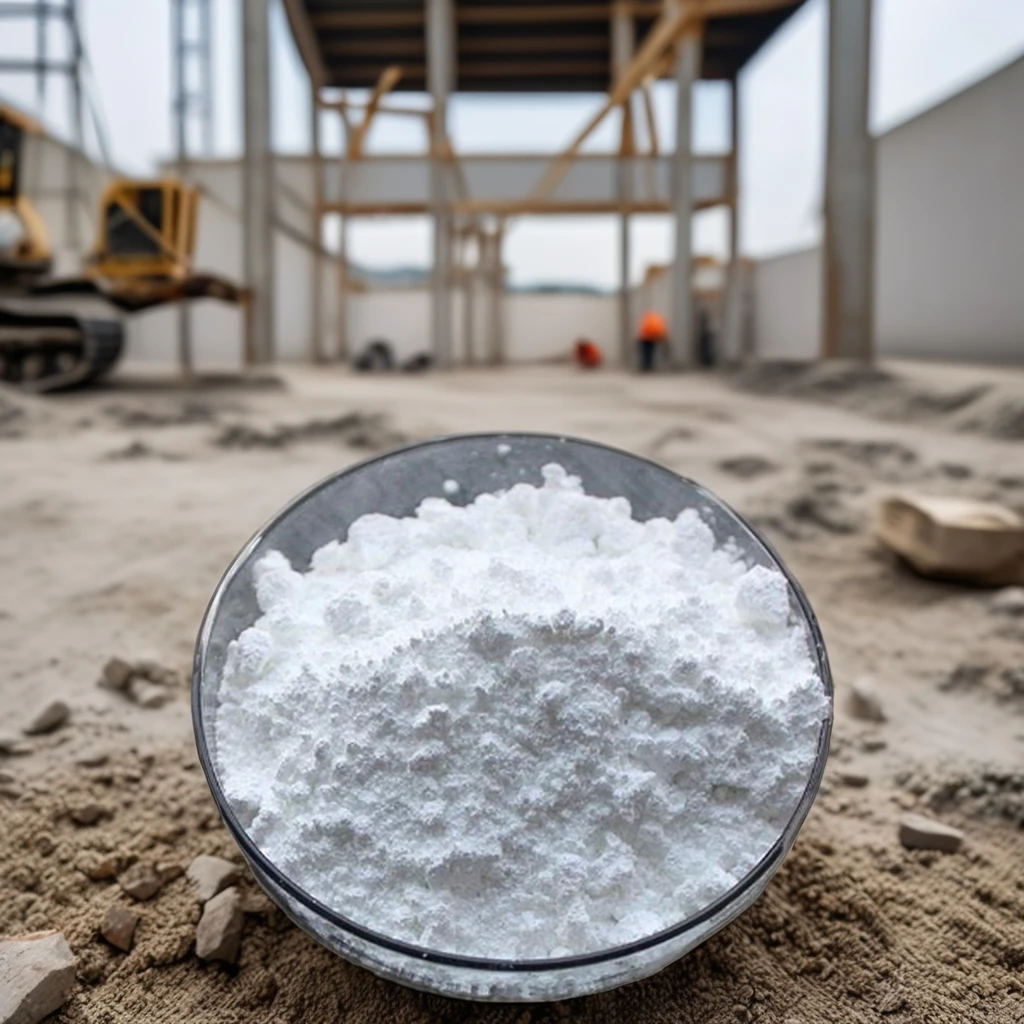
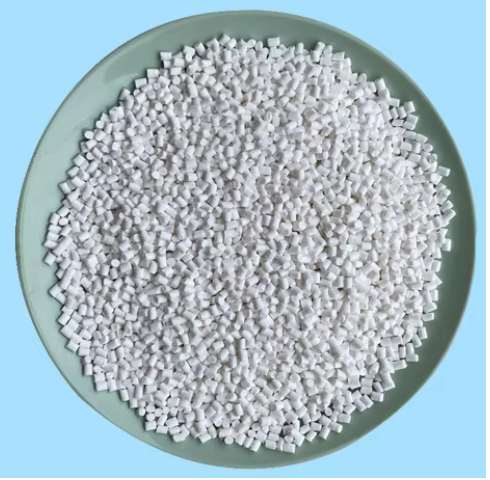
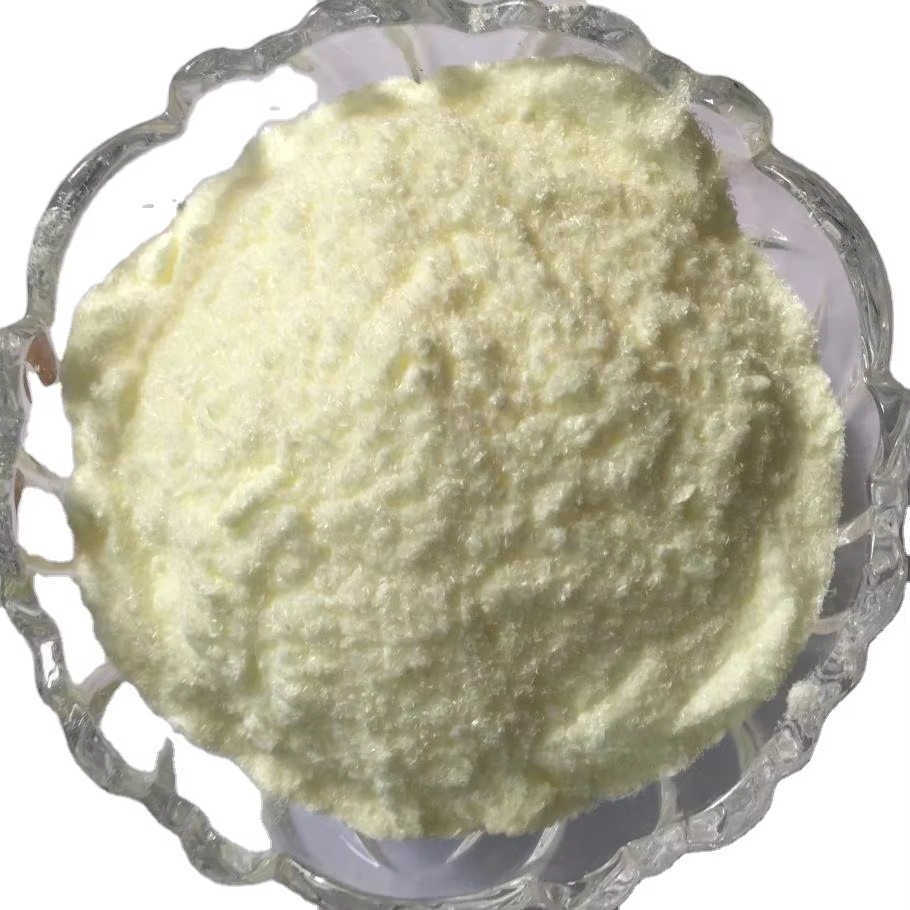
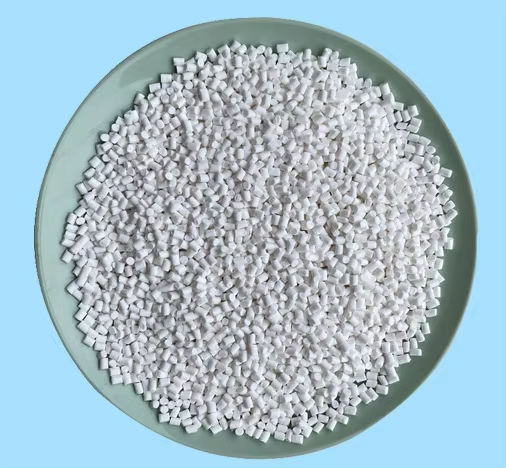
Polyvinyl chloride (PVC) resin stands as one of the most versatile and widely used synthetic polymers in the modern industrial landscape. This thermoplastic material is produced through the polymerization of vinyl chloride monomers, resulting in a powder form that serves as the base material for countless applications. PVC resin possesses remarkable chemical resistance, weatherability, and mechanical strength, making it an ideal choice for both rigid and flexible applications. In its pure form, PVC resin appears as a white, free-flowing powder that can be easily processed using various methods including extrusion, injection molding, and calendering. The material's molecular structure allows for excellent compatibility with various additives, enabling manufacturers to modify its properties to meet specific requirements. From construction materials to medical devices, PVC resin finds applications across diverse sectors, thanks to its exceptional durability, cost-effectiveness, and processing versatility. The material's inherent flame-retardant properties and resistance to chemical corrosion further enhance its utility in demanding environments.


New Product Releases

PVC resin offers numerous compelling advantages that make it a preferred choice across various industries. First and foremost, its exceptional versatility allows for modification through various additives, enabling manufacturers to create products with specific properties suited to their applications. The material demonstrates outstanding durability and longevity, often lasting several decades in construction applications, providing excellent value for investment. From an economic perspective, PVC resin offers significant cost advantages compared to alternative materials, both in terms of raw material costs and processing efficiency. The material's inherent chemical resistance protects against corrosion, acids, and bases, eliminating the need for additional protective treatments. Environmental considerations are addressed through PVC's recyclability and lower energy requirements during processing compared to many alternative materials. The material's flame-retardant properties contribute to safety in building applications, while its low thermal conductivity makes it ideal for insulation purposes. PVC resin's ability to be processed into both rigid and flexible forms opens up countless application possibilities, from rigid pipes to flexible medical tubing. The material's excellent weatherability ensures long-term performance in outdoor applications, resisting degradation from UV exposure and atmospheric conditions. Additionally, PVC resin's smooth surface finish and ability to accept various colors and textures make it aesthetically versatile for different applications.

Tips And Tricks

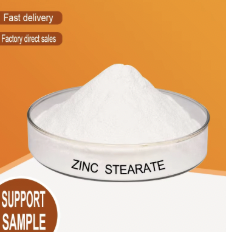
How Do Calcium and Zinc Stearates Differ in Application?

27

Aug

How Do Calcium and Zinc Stearates Differ in Application?

Understanding the Unique Properties of Metal Stearates In the world of industrial additives and lubricants, metal stearates play a crucial role in various manufacturing processes and end products. Among these versatile compounds, calcium and zinc ste...
View More
What Are the Differences Between Calcium-Zinc and Lead Stabilizers?

27

Aug

What Are the Differences Between Calcium-Zinc and Lead Stabilizers?

Understanding PVC Stabilizer Systems: A Comprehensive Guide In the world of polymer processing and PVC manufacturing, the choice of heat stabilizers plays a crucial role in determining the final product's quality, durability, and environmental impact...
View More
What Are the Most Common Lubricants Used in PVC Extrusion

11

Sep

What Are the Most Common Lubricants Used in PVC Extrusion

Understanding the Role of Lubricants in PVC Processing The success of PVC extrusion operations heavily depends on the selection and proper use of lubricants. These essential additives play a crucial role in facilitating the smooth processing of PVC c...
View More
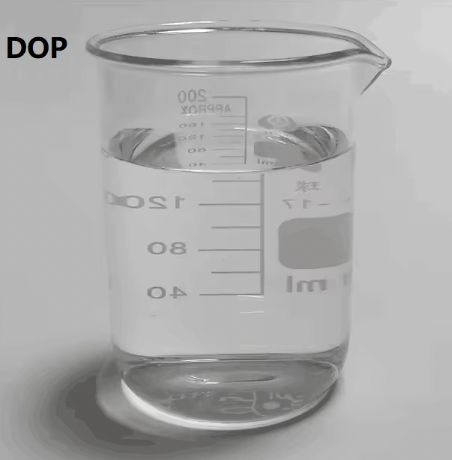
How to Control Plasticizer Migration in Finished Products

22

Oct

How to Control Plasticizer Migration in Finished Products

Understanding the Impact of Plasticizer Migration on Product Quality Plasticizer migration represents a significant challenge in the manufacturing industry, affecting product quality, durability, and safety across various sectors. This phenomenon occ...
View More

Get a Free Quote

Our representative will contact you soon.
Email
Name
Company Name
Message
0/1000

polyvinyl chloride pvc resin

Superior Chemical and Environmental Resistance

Superior Chemical and Environmental Resistance

Polyvinyl chloride PVC resin exhibits exceptional resistance to a wide range of chemical substances, making it an invaluable material for industrial applications. Its molecular structure creates a natural barrier against acids, bases, salts, and many organic compounds, ensuring long-term stability in challenging environments. This inherent chemical resistance eliminates the need for additional protective coatings or treatments, reducing both installation and maintenance costs. The material's weatherability is particularly noteworthy, as it maintains its structural integrity and performance characteristics even when exposed to harsh environmental conditions, UV radiation, and temperature fluctuations. This remarkable durability translates to extended service life and reduced replacement frequency, providing substantial cost savings over time.
Versatile Processing and Modification Capabilities

Versatile Processing and Modification Capabilities

One of the most significant advantages of PVC resin lies in its exceptional processing versatility and ability to accept various modifications. The material can be processed using multiple methods, including extrusion, injection molding, calendering, and compression molding, allowing manufacturers to create a wide range of products with different shapes and properties. The resin's compatibility with various additives enables precise control over the final product's characteristics, such as flexibility, impact resistance, thermal stability, and color. This adaptability makes PVC resin suitable for applications ranging from rigid construction materials to flexible medical devices, all while maintaining consistent quality and performance standards.
Cost-Effective Sustainability Solution

Cost-Effective Sustainability Solution

PVC resin represents a sustainable and economically viable solution for modern manufacturing needs. The material's production process requires less energy compared to many alternative materials, contributing to a reduced carbon footprint. Its lightweight nature reduces transportation costs and energy requirements throughout the supply chain. The longevity of PVC products significantly reduces the need for replacement, thereby conserving resources and minimizing waste. Furthermore, PVC resin can be recycled multiple times without significant degradation of its properties, supporting circular economy initiatives. The material's ability to be reformed and repurposed extends its lifecycle and reduces environmental impact, making it an environmentally responsible choice for manufacturers and end-users alike.

Get a Free Quote

Our representative will contact you soon.
Email
Name
Company Name
Message
0/1000