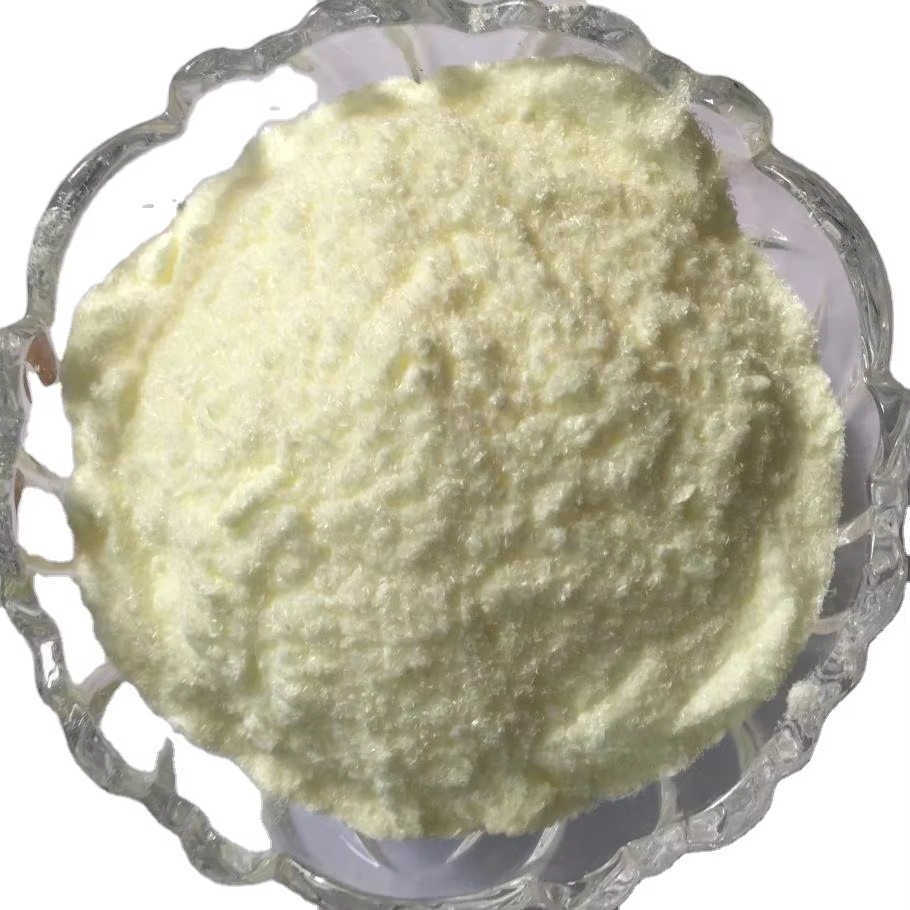
Sodium Stearate Price: Competitive Rates for Quality Chemical Solutions

All Categories

sodium stearate price

Sodium stearate price reflects the market dynamics of this versatile chemical compound, widely used across various industries. As a soap-like substance derived from stearic acid and sodium hydroxide, sodium stearate serves as a crucial ingredient in personal care products, industrial applications, and manufacturing processes. The price point typically varies based on factors such as raw material costs, production volume, market demand, and global economic conditions. Current market analysis indicates that sodium stearate maintains competitive pricing, making it an attractive option for manufacturers seeking cost-effective solutions. The compound's ability to function as an emulsifier, thickening agent, and lubricant contributes to its value proposition. Manufacturing processes have become increasingly efficient, leading to optimized production costs that directly influence the final price point. The pricing structure often includes considerations for bulk purchases, with volume discounts available for larger orders. Quality grades and purity levels also impact the price, with pharmaceutical and food-grade variants commanding premium rates compared to industrial grades. The global supply chain network ensures steady availability, while regional production facilities help maintain competitive pricing through reduced transportation costs.


New Products

The competitive sodium stearate price offers numerous advantages for businesses across various sectors. First, its cost-effectiveness enables manufacturers to maintain profitable margins while delivering high-quality products to end-users. The scalable pricing structure accommodates different business sizes, from small enterprises to large industrial operations. The compound's multifunctional nature provides excellent value for money, as it can replace multiple ingredients in various formulations, reducing overall production costs. The stable pricing model allows for better budget planning and inventory management, while the widespread availability ensures consistent supply at predictable costs. Quality assurance standards are maintained without significant price fluctuations, making it a reliable choice for long-term manufacturing processes. The reasonable price point encourages innovation in product development, as manufacturers can experiment with new formulations without excessive cost concerns. Additionally, the competitive pricing supports sustainable business practices by enabling the use of environmentally friendly ingredients without compromising financial viability. The transparent pricing structure facilitates easier comparison shopping and negotiation with suppliers, while volume-based discounts provide opportunities for cost optimization. The affordable price point also allows companies to maintain competitive end-product pricing while ensuring adequate profit margins.

Tips And Tricks

How Do Calcium and Zinc Stearates Differ in Application?

27

Aug

How Do Calcium and Zinc Stearates Differ in Application?

Understanding the Unique Properties of Metal Stearates In the world of industrial additives and lubricants, metal stearates play a crucial role in various manufacturing processes and end products. Among these versatile compounds, calcium and zinc ste...
View More
What Are the Main Types of Flame Retardants for Thermoplastics

22

Oct

What Are the Main Types of Flame Retardants for Thermoplastics

Understanding Modern Flame Retardant Solutions in Thermoplastic Materials The growing demand for safer plastic materials has placed flame retardants for thermoplastics at the forefront of materials science innovation. These essential additives play a...
View More
What Is the Impact of Plasticizer on PVC Gelation

22

Oct

What Is the Impact of Plasticizer on PVC Gelation

Understanding the Fundamental Role of Plasticizers in PVC Processing The process of PVC gelation represents a crucial aspect of polymer processing that fundamentally transforms polyvinyl chloride from its raw state into useful products. At the heart ...
View More
What Is K-Value in PVC Resin and Why Does It Matter

17

Nov

What Is K-Value in PVC Resin and Why Does It Matter

The K-Value in PVC Resin represents one of the most critical parameters that determines the quality, processing characteristics, and end-use applications of polyvinyl chloride materials. This fundamental measurement serves as a primary indicator of m...
View More

Get a Free Quote

Our representative will contact you soon.
Email
Name
Company Name
Message
0/1000

sodium stearate price

Cost-Effective Quality Assurance

Cost-Effective Quality Assurance

The sodium stearate price structure incorporates rigorous quality control measures without imposing excessive costs on manufacturers. This balance ensures that businesses can maintain high product standards while keeping production expenses manageable. The pricing model includes certifications and quality testing protocols, providing peace of mind without significant additional charges. Manufacturers benefit from standardized quality metrics that align with international regulations, all within a reasonable price range. The cost-effectiveness extends to various grade options, allowing businesses to select the most appropriate quality level for their specific applications while optimizing their budget allocation.
Flexible Bulk Purchasing Options

Flexible Bulk Purchasing Options

The pricing system for sodium stearate features sophisticated bulk purchasing options that cater to diverse business needs. Large-volume orders benefit from significant cost reductions, enabling economies of scale for industrial users. The tiered pricing structure accommodates different order sizes, making it accessible to both small-batch producers and large-scale manufacturers. This flexibility in purchasing options allows businesses to optimize their inventory management while maintaining cost efficiency. The bulk pricing model includes considerations for storage, handling, and transportation, providing a comprehensive cost solution for businesses of all sizes.
Market-Responsive Pricing Dynamics

Market-Responsive Pricing Dynamics

Sodium stearate pricing demonstrates remarkable responsiveness to market conditions, ensuring fair value for all stakeholders. The price adjustments reflect changes in raw material costs, production efficiencies, and market demand, maintaining transparency throughout the supply chain. This dynamic pricing model helps businesses adapt to market changes while maintaining stable operations. The pricing structure includes mechanisms for addressing seasonal variations and global market trends, providing predictability for long-term planning. Regular market analysis and price updates ensure that both suppliers and buyers benefit from fair and competitive pricing arrangements.

Get a Free Quote

Our representative will contact you soon.
Email
Name
Company Name
Message
0/1000