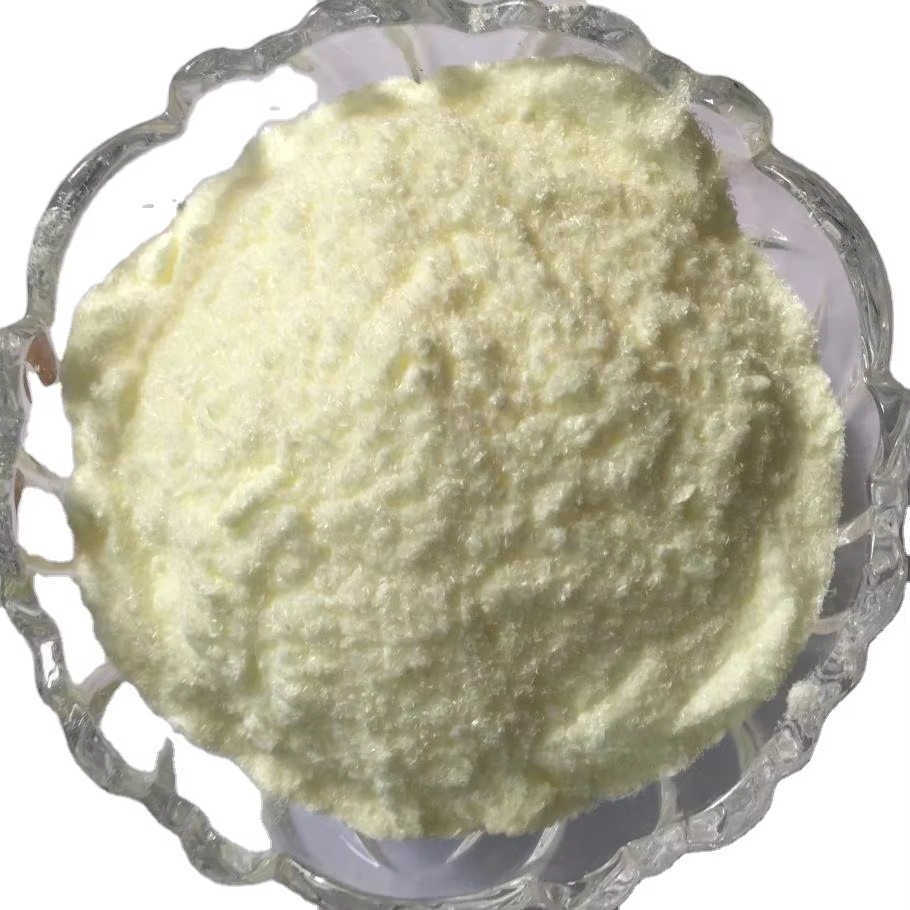
Sodium Salt of Stearic Acid: Versatile Emulsifier and Stabilizer for Industrial Applications

All Categories

sodium salt of stearic acid

The sodium salt of stearic acid, also known as sodium stearate, is a versatile compound widely used in various industrial and commercial applications. This white, waxy substance is formed through the reaction of stearic acid with sodium hydroxide, resulting in a stable and effective surfactant. With its unique chemical structure, it serves as an excellent emulsifier, stabilizer, and lubricant. In personal care products, it functions as a thickening agent and helps create stable emulsions, making it invaluable in the formulation of creams, lotions, and cosmetics. The compound's ability to form stable foams makes it essential in soap manufacturing, where it contributes to the production of high-quality bar soaps with excellent lathering properties. In industrial applications, sodium stearate serves as a release agent in plastic manufacturing and as a lubricant in metal processing. Its water-soluble nature combined with excellent stability makes it particularly useful in various manufacturing processes. The compound also finds applications in the textile industry as a water repellent and in the food industry as an approved additive, where it functions as an emulsifier and stabilizer.


New Products

The sodium salt of stearic acid offers numerous advantages that make it an indispensable ingredient across multiple industries. Its exceptional stability in various pH conditions ensures consistent performance in different formulations, making it highly reliable for manufacturers. The compound's excellent emulsifying properties enable the creation of stable mixtures of oil and water-based ingredients, crucial for producing high-quality personal care products. In soap manufacturing, it contributes to superior lather formation and provides a smooth, creamy texture that consumers appreciate. The biodegradability of sodium stearate makes it environmentally friendly, addressing growing concerns about sustainable manufacturing practices. Its effectiveness at low concentrations makes it cost-efficient for manufacturers, while its versatility reduces the need for multiple additives in formulations. The compound's safety profile, supported by extensive research and regulatory approvals, makes it suitable for use in personal care and food products. Its ability to function as both a lubricant and release agent in industrial applications provides manufacturers with a dual-purpose solution, streamlining their production processes. The water-soluble nature of sodium stearate facilitates easy incorporation into various formulations and ensures uniform distribution of active ingredients. Its role in improving product texture and stability extends shelf life and enhances consumer satisfaction across various applications.

Tips And Tricks

How Do Calcium and Zinc Stearates Differ in Application?

27

Aug

How Do Calcium and Zinc Stearates Differ in Application?

Understanding the Unique Properties of Metal Stearates In the world of industrial additives and lubricants, metal stearates play a crucial role in various manufacturing processes and end products. Among these versatile compounds, calcium and zinc ste...
View More
 What Are the Functions of Stearates in PVC Compounding

11

Sep

What Are the Functions of Stearates in PVC Compounding

Understanding the Essential Role of Stearates in PVC Processing In the world of polymer processing, stearates in PVC compounding play a crucial role in determining the quality, efficiency, and performance of the final product. These versatile additiv...
View More
What Is the Impact of Plasticizer on PVC Gelation

22

Oct

What Is the Impact of Plasticizer on PVC Gelation

Understanding the Fundamental Role of Plasticizers in PVC Processing The process of PVC gelation represents a crucial aspect of polymer processing that fundamentally transforms polyvinyl chloride from its raw state into useful products. At the heart ...
View More
Can Lubricants Improve Demolding in Plastic Injection Molding

17

Nov

Can Lubricants Improve Demolding in Plastic Injection Molding

Plastic injection molding presents numerous challenges throughout the manufacturing process, with demolding representing one of the most critical stages that can significantly impact production efficiency and product quality. The successful release o...
View More

Get a Free Quote

Our representative will contact you soon.
Email
Name
Company Name
Message
0/1000

sodium salt of stearic acid

Superior Emulsification and Stabilization Properties

Superior Emulsification and Stabilization Properties

The sodium salt of stearic acid excels in its role as an emulsifier and stabilizer, making it a cornerstone ingredient in numerous formulations. Its unique molecular structure, featuring both hydrophilic and hydrophobic portions, enables it to effectively bridge the gap between oil and water phases, creating stable emulsions that resist separation over time. This property is particularly valuable in personal care products, where stable emulsions are crucial for maintaining product quality and effectiveness. The compound's ability to maintain consistent product texture and prevent ingredient separation ensures that formulations remain effective throughout their shelf life, leading to improved customer satisfaction and reduced product waste. Additionally, its stabilizing properties help maintain the uniform distribution of active ingredients, ensuring consistent product performance with every use.
Versatile Applications Across Industries

Versatile Applications Across Industries

The remarkable versatility of sodium stearate makes it an invaluable ingredient across diverse industrial sectors. In personal care products, it serves multiple functions including emulsification, stabilization, and texture enhancement. The food industry benefits from its approved status as a safe additive, where it helps create stable emulsions and improves product texture. In industrial applications, its excellent lubricating properties make it essential in metal processing and plastic manufacturing. The textile industry utilizes its water-repellent properties to enhance fabric performance. This multi-functionality reduces the need for multiple additives, simplifying formulations and potentially reducing production costs. The compound's effectiveness in various pH environments and temperature conditions further demonstrates its adaptability, making it a reliable choice for manufacturers across different sectors.
Environmental and Safety Compliance

Environmental and Safety Compliance

The sodium salt of stearic acid stands out for its impressive environmental and safety profile, meeting modern manufacturing requirements. Its biodegradable nature aligns with increasing environmental consciousness and regulatory requirements for sustainable ingredients. The compound's extensive safety record, supported by numerous studies and regulatory approvals, makes it suitable for use in sensitive applications such as personal care and food products. Its low environmental impact, combined with its effectiveness at lower concentrations, contributes to more sustainable manufacturing practices. The compound's stability and predictable behavior in various formulations help manufacturers maintain consistent quality while meeting safety standards. Its non-toxic nature and minimal environmental footprint make it an ideal choice for companies committed to sustainable and responsible manufacturing practices.

Get a Free Quote

Our representative will contact you soon.
Email
Name
Company Name
Message
0/1000