Stearic Acid Magnesium Stearate: Premium Grade Lubricant and Flow Agent for Pharmaceutical and Industrial Applications

All Categories

stearic acid magnesium stearate

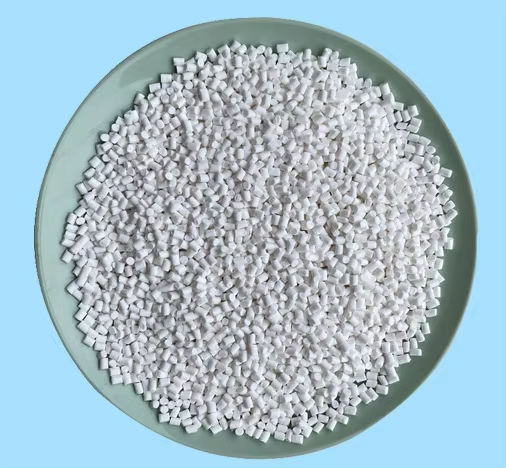
Stearic acid magnesium stearate is a versatile chemical compound widely used in various industries as a lubricant, anti-caking agent, and release agent. This white, powdery substance is created through the reaction of stearic acid with magnesium compounds, resulting in a stable, non-toxic material that offers exceptional performance characteristics. The compound features a unique molecular structure that provides excellent lubricating properties, making it invaluable in pharmaceutical tablet manufacturing, food processing, and cosmetic production. Its hydrophobic nature helps prevent moisture absorption, ensuring product stability and extended shelf life. In pharmaceutical applications, it facilitates smooth tablet compression and ejection from dies, while in cosmetics, it improves texture and application properties. The compound meets strict regulatory requirements, including FDA approval for use in food and pharmaceutical products, making it a trusted choice across multiple industries. Its technical specifications typically include a minimum magnesium content of 4-5%, a melting point between 117-150°C, and excellent stability under various processing conditions.


New Product Releases

Stearic acid magnesium stearate offers numerous compelling advantages that make it an essential ingredient across multiple industries. Its primary benefit lies in its superior lubricating properties, which significantly improve manufacturing efficiency by reducing friction during processing and preventing material adhesion to equipment surfaces. The compound's excellent flow characteristics enhance powder flowability and prevent ingredients from clumping together, ensuring consistent product quality and uniform distribution of active ingredients. From a safety perspective, it boasts an impressive stability profile and is non-toxic, making it suitable for use in sensitive applications such as pharmaceutical and food products. The material's hydrophobic properties provide exceptional moisture resistance, extending product shelf life and maintaining product integrity under various storage conditions. Cost-effectiveness is another significant advantage, as only small quantities are required to achieve desired results, making it an economical choice for manufacturers. Its versatility allows for easy incorporation into various formulations without compromising the final product's effectiveness. The compound's ability to improve powder flow and prevent sticking during tablet compression leads to higher production rates and reduced equipment maintenance requirements. Additionally, its consistent particle size distribution ensures reliable performance across different applications, while its chemical stability prevents degradation under normal processing and storage conditions.

Tips And Tricks

How Do Calcium and Zinc Stearates Differ in Application?

27

Aug

How Do Calcium and Zinc Stearates Differ in Application?

Understanding the Unique Properties of Metal Stearates In the world of industrial additives and lubricants, metal stearates play a crucial role in various manufacturing processes and end products. Among these versatile compounds, calcium and zinc ste...
View More
 How Do Plasticizers Affect the Mechanical Properties of PVC

11

Sep

How Do Plasticizers Affect the Mechanical Properties of PVC

Understanding the Impact of Plasticizers on PVC Performance Plasticizers play a crucial role in transforming rigid polyvinyl chloride (PVC) into flexible, versatile materials used across numerous industries. These chemical additives fundamentally alt...
View More
Can Lubricants Improve Demolding in Plastic Injection Molding

17

Nov

Can Lubricants Improve Demolding in Plastic Injection Molding

Plastic injection molding presents numerous challenges throughout the manufacturing process, with demolding representing one of the most critical stages that can significantly impact production efficiency and product quality. The successful release o...
View More
What Is the Optimal Lubricant Dosage in PVC Formulation

17

Nov

What Is the Optimal Lubricant Dosage in PVC Formulation

Determining the optimal PVC lubricant dosage is crucial for achieving superior product quality and manufacturing efficiency in polyvinyl chloride processing. The precise balance of lubricants directly impacts melt flow properties, surface finish, the...
View More

Get a Free Quote

Our representative will contact you soon.
Email
Name
Company Name
Message
0/1000

stearic acid magnesium stearate

Superior Lubrication and Flow Enhancement

Superior Lubrication and Flow Enhancement

The exceptional lubrication properties of stearic acid magnesium stearate make it an indispensable ingredient in pharmaceutical tablet manufacturing and powder processing. Its unique molecular structure creates a thin film between particles and equipment surfaces, significantly reducing friction and preventing material adhesion. This characteristic enables smoother production processes, higher throughput rates, and consistent product quality. The compound's ability to enhance powder flow properties ensures uniform distribution of ingredients and prevents segregation during mixing and compression operations. This results in more reliable manufacturing processes and reduced production costs through decreased equipment wear and maintenance requirements.
Moisture Protection and Product Stability

Moisture Protection and Product Stability

Stearic acid magnesium stearate's hydrophobic nature provides exceptional moisture protection capabilities, making it crucial for maintaining product stability and extending shelf life. When incorporated into formulations, it creates a protective barrier that prevents moisture absorption, which could otherwise lead to product degradation or compromised effectiveness. This moisture-resistant property is particularly valuable in pharmaceutical applications, where drug stability is paramount, and in food products, where moisture control is essential for maintaining texture and preventing spoilage. The compound's stability across a wide range of temperature and humidity conditions ensures consistent performance throughout the product's lifecycle.
Versatility and Regulatory Compliance

Versatility and Regulatory Compliance

One of the most significant advantages of stearic acid magnesium stearate is its broad applicability across multiple industries while maintaining strict regulatory compliance. The compound meets FDA requirements for use in food, pharmaceutical, and cosmetic applications, making it a trusted choice for manufacturers worldwide. Its versatility is demonstrated through its effectiveness in various formulation types, from compressed tablets to powdered products and cosmetic applications. The material's consistent quality and well-documented safety profile simplify regulatory approval processes for new products. Additionally, its compatibility with a wide range of active ingredients and excipients provides formulators with flexibility in product development while maintaining compliance with industry standards.

Get a Free Quote

Our representative will contact you soon.
Email
Name
Company Name
Message
0/1000