Titanium Dioxide: Advanced Industrial Material for Superior UV Protection and Photocatalytic Applications

All Categories

titanium dioxide

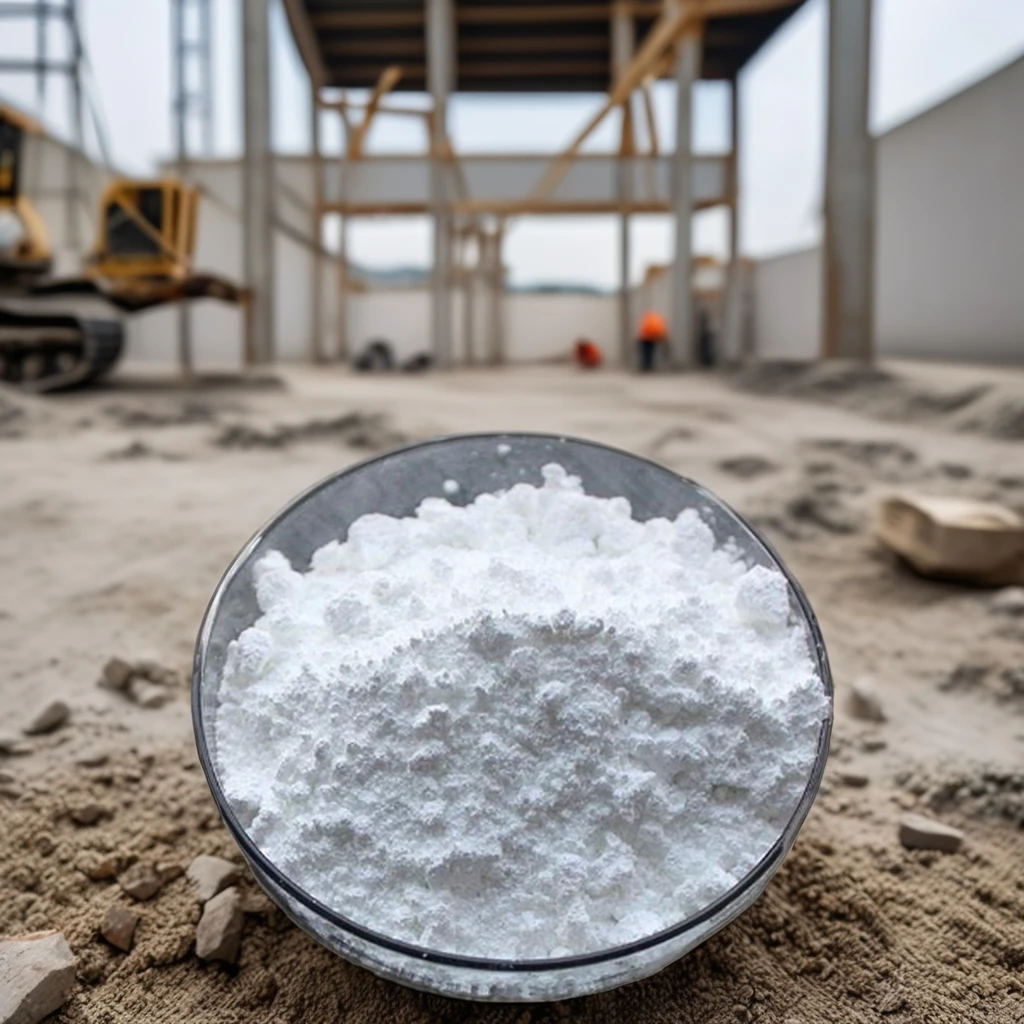
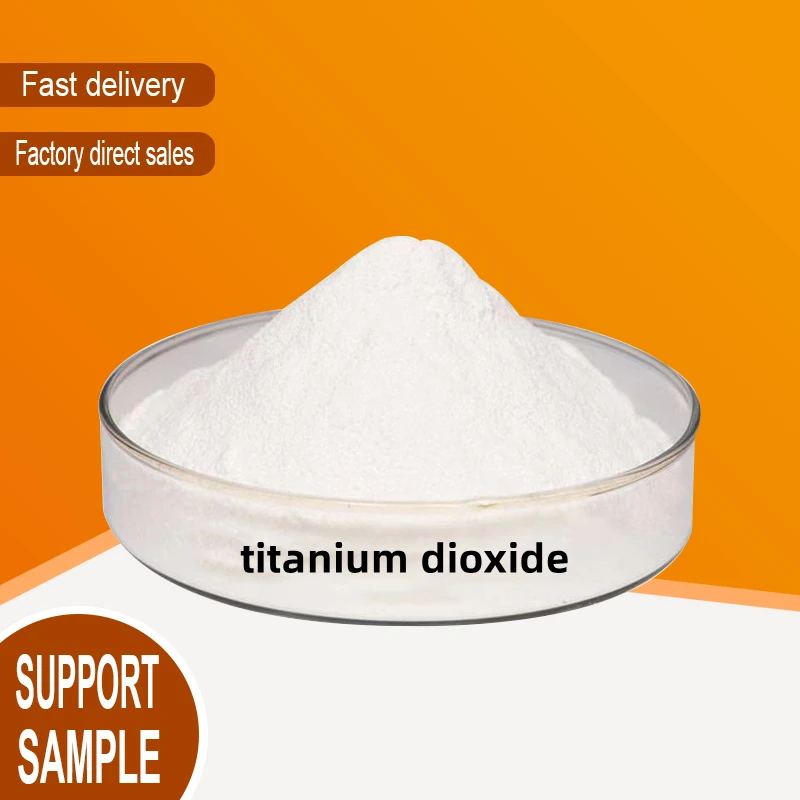
Titanium dioxide (TiO2) is a versatile inorganic compound that has revolutionized various industries with its exceptional properties. This naturally occurring oxide of titanium appears as a fine white powder and is renowned for its outstanding opacity, brightness, and UV-resistant characteristics. In the manufacturing sector, titanium dioxide serves as a crucial white pigment, providing superior covering power and tinting strength in paints, coatings, plastics, and paper products. Its photocatalytic properties make it an excellent choice for environmental applications, as it can break down organic pollutants when exposed to UV light. In the cosmetics industry, titanium dioxide is widely used as a UV filter in sunscreens and as a whitening agent in various personal care products. Its food-grade variant serves as a color additive (E171) in the food industry, enhancing the appearance of confectioneries, dairy products, and other food items. The compound's chemical stability, non-toxicity, and resistance to discoloration have made it an indispensable material in modern manufacturing processes.


New Product Releases

Titanium dioxide offers numerous compelling advantages that make it an essential material across multiple industries. Its primary benefit lies in its exceptional opacity and whitening power, which provides superior coverage with minimal material usage, resulting in cost-effective applications in paints and coatings. The compound's remarkable UV resistance properties offer excellent protection against sun damage, making it invaluable in sunscreen formulations and outdoor coating applications. In terms of environmental considerations, titanium dioxide demonstrates impressive photocatalytic properties, actively contributing to air and water purification systems by breaking down organic pollutants and harmful compounds. Its chemical stability ensures long-lasting performance without degradation or color change, making it ideal for long-term applications. The material's versatility allows for easy incorporation into various formulations, whether water-based or oil-based, while maintaining consistent performance. From a safety perspective, titanium dioxide's non-toxic nature makes it suitable for food and cosmetic applications, meeting strict regulatory requirements worldwide. Its high refractive index contributes to enhanced optical properties in various applications, from paper brightening to specialty coatings. The material's thermal stability ensures it maintains its properties even under extreme temperature conditions, making it suitable for high-temperature processing applications.

Latest News

What Are Halogen-Free Flame Retardants and Their Benefits?

27

Aug

What Are Halogen-Free Flame Retardants and Their Benefits?

Understanding Modern Fire Safety Solutions in Materials In today's rapidly evolving materials industry, halogen-free flame retardants represent a significant advancement in fire safety technology. These innovative compounds are revolutionizing how we...
View More
 What Are the Functions of Stearates in PVC Compounding

11

Sep

What Are the Functions of Stearates in PVC Compounding

Understanding the Essential Role of Stearates in PVC Processing In the world of polymer processing, stearates in PVC compounding play a crucial role in determining the quality, efficiency, and performance of the final product. These versatile additiv...
View More
What Is the Difference Between Core-Shell and Elastomer Tougheners

22

Oct

What Is the Difference Between Core-Shell and Elastomer Tougheners

Understanding Modern Polymer Toughening Technologies In the evolving world of polymer science and materials engineering, toughening agents play a crucial role in enhancing the mechanical properties of plastics and composites. Core-shell and elastomer...
View More
What Is the Impact of Plasticizer on PVC Gelation

22

Oct

What Is the Impact of Plasticizer on PVC Gelation

Understanding the Fundamental Role of Plasticizers in PVC Processing The process of PVC gelation represents a crucial aspect of polymer processing that fundamentally transforms polyvinyl chloride from its raw state into useful products. At the heart ...
View More

Get a Free Quote

Our representative will contact you soon.
Email
Name
Company Name
Message
0/1000

titanium dioxide

Superior Photocatalytic Properties

Superior Photocatalytic Properties

Titanium dioxide's photocatalytic capabilities represent a groundbreaking advancement in environmental remediation and self-cleaning technologies. When exposed to UV light, titanium dioxide initiates powerful oxidation-reduction reactions that effectively break down organic pollutants, volatile organic compounds (VOCs), and harmful bacteria. This property has led to its widespread use in air purification systems, water treatment facilities, and self-cleaning surfaces. The photocatalytic effect creates super-hydrophilic surfaces that prevent water droplet formation, resulting in anti-fogging and self-cleaning properties. This feature is particularly valuable in architectural applications, where building facades maintain their appearance with minimal maintenance requirements.
Exceptional UV Protection Capabilities

Exceptional UV Protection Capabilities

The UV protection capabilities of titanium dioxide make it an unparalleled ingredient in sun protection formulations and UV-resistant coatings. Its ability to effectively scatter and absorb both UVA and UVB radiation provides comprehensive protection against harmful solar radiation. In sunscreens, titanium dioxide creates a physical barrier that reflects and scatters UV rays, offering immediate protection upon application. Unlike chemical UV filters, it doesn't penetrate the skin, making it an ideal choice for sensitive skin formulations. In industrial applications, its UV-blocking properties extend the lifespan of materials by preventing UV-induced degradation, particularly important in outdoor applications where materials are constantly exposed to sunlight.
Versatile Industrial Applications

Versatile Industrial Applications

The versatility of titanium dioxide in industrial applications showcases its remarkable adaptability across different sectors. In the paint and coatings industry, it serves as the primary white pigment, providing unmatched opacity and coverage while requiring less material compared to alternative pigments. Its use in plastics extends beyond simple coloration, as it also improves weather resistance and prevents yellowing. In the paper industry, titanium dioxide enhances brightness and opacity, crucial for high-quality printing papers. The food industry benefits from its ability to brighten and whiten products while meeting strict safety standards. Its application in ceramics and glass industries improves product durability and aesthetic appeal, while its use in electronic components demonstrates its technological significance.

Get a Free Quote

Our representative will contact you soon.
Email
Name
Company Name
Message
0/1000