Organic Titanium Dioxide: Advanced Performance through Innovative Surface Modification

All Categories

organic titanium dioxide

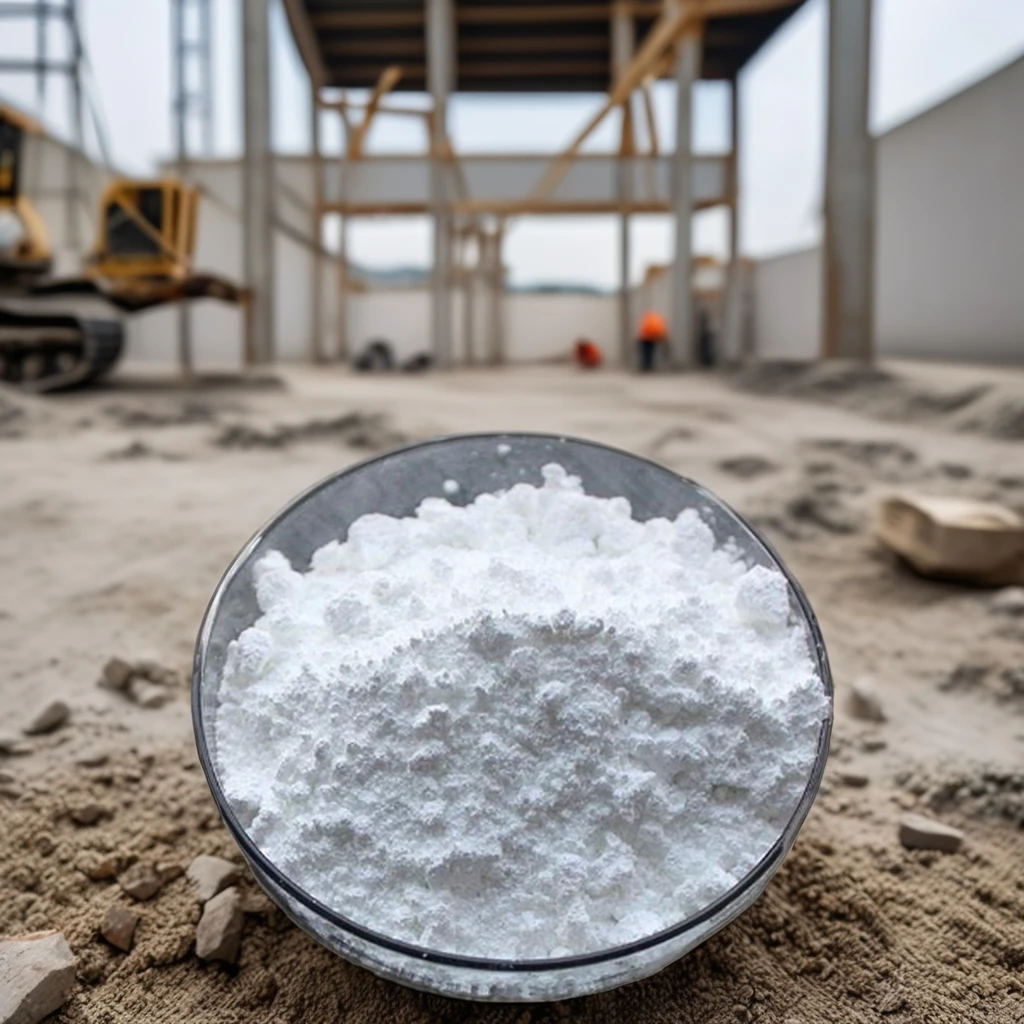
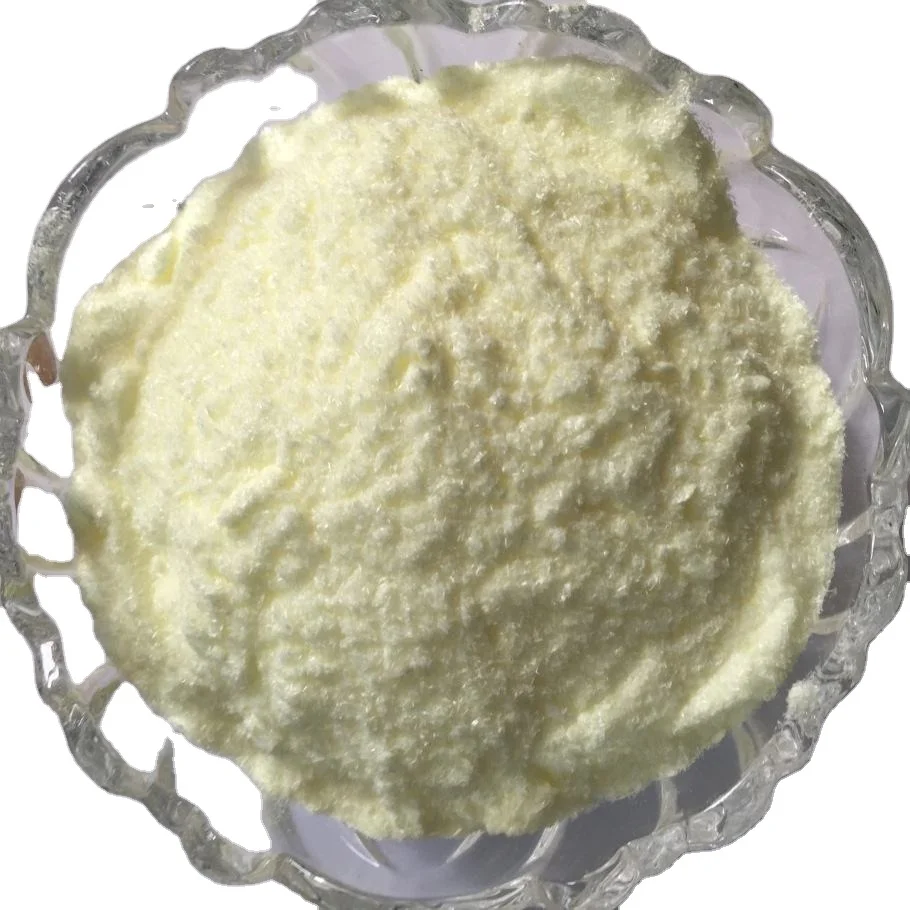
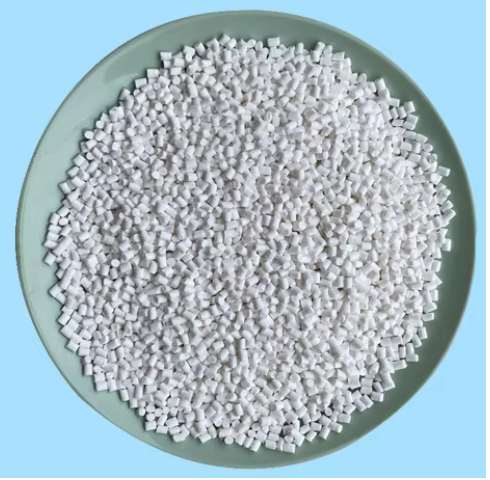
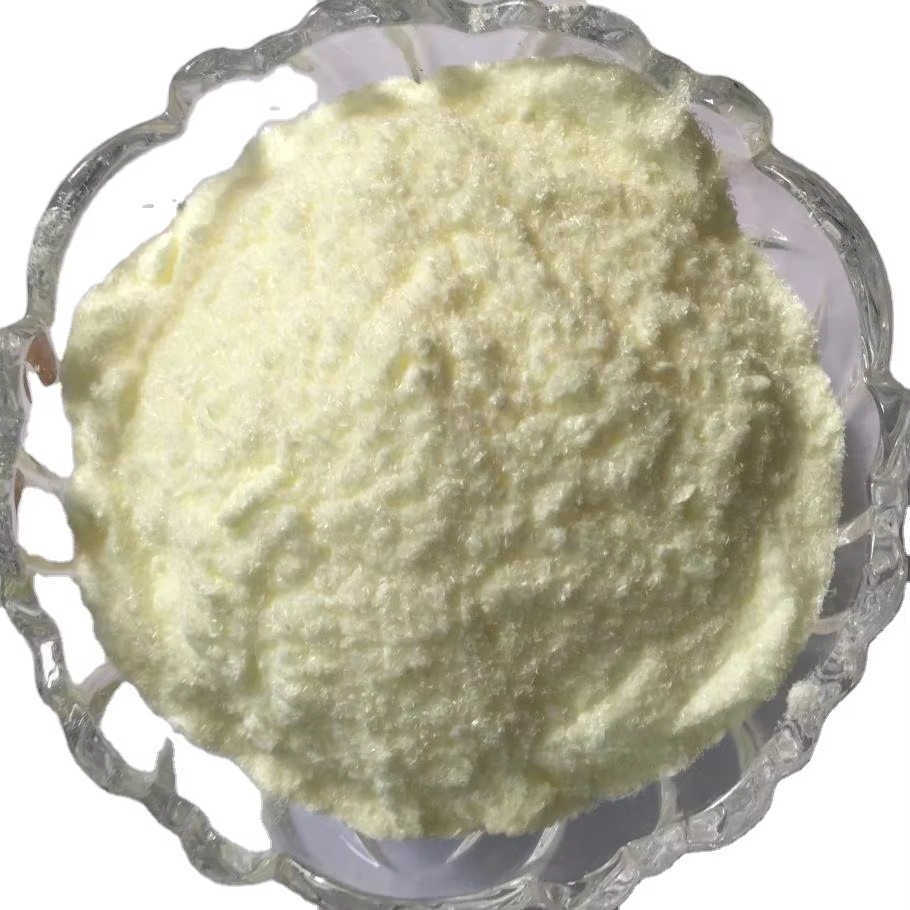
Organic titanium dioxide represents a revolutionary advancement in material science, combining the exceptional properties of titanium dioxide with organic compounds to create a versatile and high-performance substance. This innovative material demonstrates superior photocatalytic activity, enhanced UV protection capabilities, and improved dispersibility in organic matrices. The organic modification of titanium dioxide particles enables better compatibility with various organic systems, making it ideal for a wide range of applications. In the coating industry, it serves as an essential component in UV-resistant paints and advanced surface treatments. The material exhibits exceptional opacity and whiteness, while its organic surface modification prevents agglomeration and ensures uniform distribution. In cosmetic applications, organic titanium dioxide provides superior sun protection while maintaining a natural feel on the skin. The material's unique surface chemistry allows for better integration with organic ingredients, resulting in improved stability and performance in final products. Its environmental compatibility and reduced nano-particle concerns make it a preferred choice in sustainable manufacturing processes. The technological features include controlled particle size distribution, enhanced dispersibility in organic media, and improved photocatalytic efficiency, all while maintaining the core benefits of traditional titanium dioxide.


Popular Products

Organic titanium dioxide offers numerous compelling advantages that set it apart in the market. First, its enhanced dispersibility in organic systems results in superior product consistency and easier processing, reducing manufacturing time and costs. The material's modified surface chemistry enables exceptional stability in various formulations, preventing settling and ensuring longer shelf life of final products. The improved UV protection capabilities make it particularly valuable in sunscreen formulations and protective coatings, offering better defense against harmful solar radiation. Its organic modification significantly reduces photocatalytic activity where undesired, preventing the degradation of organic matrices while maintaining beneficial properties. The material demonstrates excellent compatibility with different organic binders and polymers, enabling versatile application possibilities. Environmental considerations are addressed through reduced dust formation and improved handling safety. The organic surface treatment results in better weather resistance and durability in exterior applications, extending product lifespans. Manufacturing efficiency is enhanced due to lower processing temperatures and reduced energy consumption. The material's superior opacity and hiding power mean less product is needed to achieve desired results, offering cost efficiency. Additionally, the organic modification enables better control over particle size distribution and aggregation, resulting in more consistent and reliable performance across different applications.

Latest News

What Is PVC Resin and How Is It Manufactured?

27

Aug

What Is PVC Resin and How Is It Manufactured?

Understanding the Fundamentals of Polyvinyl Chloride Production PVC resin stands as one of the most versatile and widely used synthetic materials in modern manufacturing. As a fundamental building block of countless products, from construction materi...
View More
What Are the Differences Between Calcium-Zinc and Lead Stabilizers?

27

Aug

What Are the Differences Between Calcium-Zinc and Lead Stabilizers?

Understanding PVC Stabilizer Systems: A Comprehensive Guide In the world of polymer processing and PVC manufacturing, the choice of heat stabilizers plays a crucial role in determining the final product's quality, durability, and environmental impact...
View More
What Are Halogen-Free Flame Retardants and Their Benefits?

27

Aug

What Are Halogen-Free Flame Retardants and Their Benefits?

Understanding Modern Fire Safety Solutions in Materials In today's rapidly evolving materials industry, halogen-free flame retardants represent a significant advancement in fire safety technology. These innovative compounds are revolutionizing how we...
View More
What Is K-Value in PVC Resin and Why Does It Matter

17

Nov

What Is K-Value in PVC Resin and Why Does It Matter

The K-Value in PVC Resin represents one of the most critical parameters that determines the quality, processing characteristics, and end-use applications of polyvinyl chloride materials. This fundamental measurement serves as a primary indicator of m...
View More

Get a Free Quote

Our representative will contact you soon.
Email
Name
Company Name
Message
0/1000

organic titanium dioxide

Enhanced Dispersibility and Stability

Enhanced Dispersibility and Stability

The organic modification of titanium dioxide particles represents a significant breakthrough in material handling and processing. The carefully engineered surface treatment creates a stable interface between the inorganic titanium dioxide core and organic matrices, resulting in exceptional dispersibility. This enhanced dispersibility translates to more uniform distribution in final products, eliminating common issues such as settling and agglomeration. The stability improvement extends product shelf life and ensures consistent performance throughout the material's lifecycle. This feature is particularly valuable in liquid formulations, where maintaining uniform dispersion is crucial for product quality and effectiveness.
Advanced UV Protection and Photostability

Advanced UV Protection and Photostability

Organic titanium dioxide exhibits superior UV protection capabilities while maintaining excellent photostability. The organic surface modification optimizes the material's interaction with UV radiation, providing broad-spectrum protection without compromising transparency or aesthetic properties. This enhanced UV protection is achieved through a combination of efficient UV absorption and controlled light scattering properties. The material's photostability ensures long-lasting protection, making it ideal for outdoor applications and sun care products. The reduced photocatalytic activity in undesired situations prevents degradation of sensitive organic components while maintaining beneficial protective properties.
Sustainable Processing and Environmental Benefits

Sustainable Processing and Environmental Benefits

The development of organic titanium dioxide represents a significant step forward in sustainable material processing. The organic modification enables lower processing temperatures and reduced energy consumption during manufacturing, contributing to a smaller carbon footprint. The improved handling characteristics and reduced dust formation enhance workplace safety and environmental protection. The material's efficient use in applications means less product is required to achieve desired results, supporting resource conservation. Additionally, the enhanced stability and durability of products containing organic titanium dioxide contribute to longer product lifecycles, reducing waste and environmental impact.

Get a Free Quote

Our representative will contact you soon.
Email
Name
Company Name
Message
0/1000