Titanium Dioxide in Food: Essential Whitening Agent for Enhanced Product Appeal

All Categories

titanium dioxide in food products

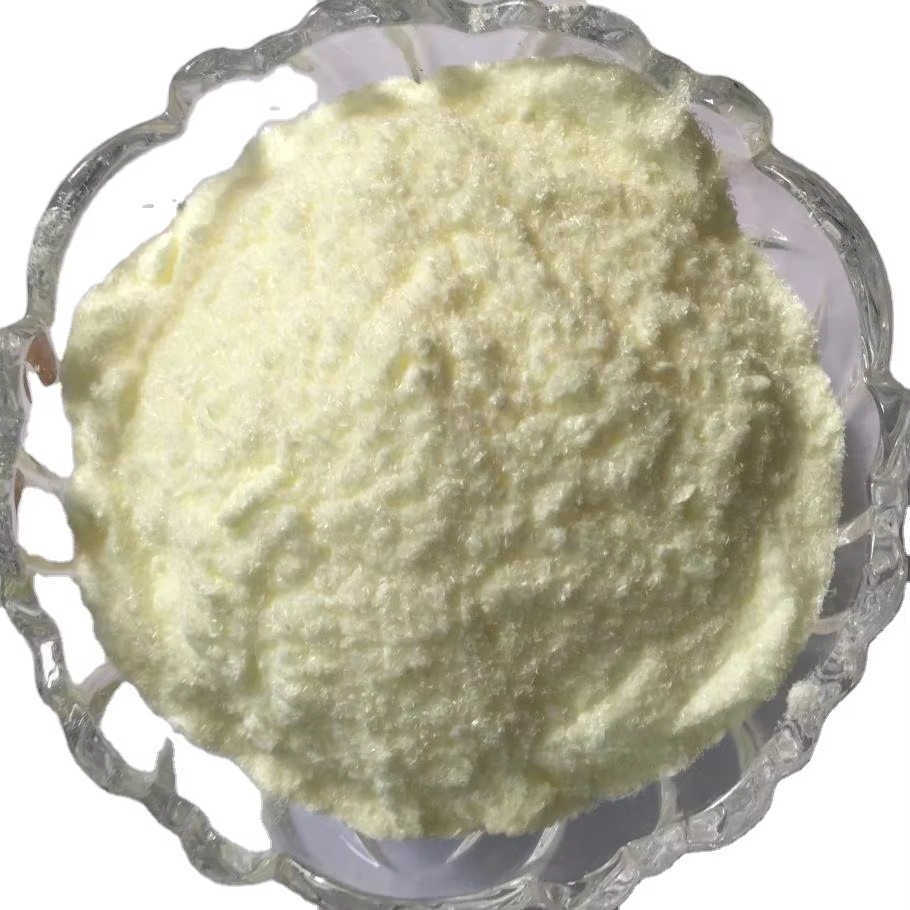
Titanium dioxide (TiO2) is a widely used food additive that serves as a white pigment and opacity enhancer in various food products. This naturally occurring oxide of titanium appears as a fine, white powder and is commonly known as E171 in food labeling. In food applications, titanium dioxide functions primarily as a color additive, providing brightness and opacity to confectionery, dairy products, and baked goods. Its unique ability to scatter light makes it particularly effective in creating vibrant white colors and enhancing the appearance of food products. The compound's technological features include excellent stability under various processing conditions, resistance to discoloration, and compatibility with other food ingredients. It's particularly valued in the confectionery industry for creating smooth, white coatings on candies and chewing gum. In dairy products, it helps achieve the desired whiteness in low-fat alternatives. The particle size of food-grade titanium dioxide is carefully controlled to optimize its performance in different applications, typically ranging from 200 to 300 nanometers. This specification ensures both optimal optical properties and compliance with food safety regulations.


New Product Releases

Titanium dioxide offers numerous advantages in food applications, making it an indispensable ingredient for many manufacturers. First, its exceptional opacity and whitening properties allow producers to achieve consistent, attractive appearance in their products, even with reduced fat content. This is particularly valuable in creating appealing low-fat alternatives that maintain the visual appeal of full-fat products. The stability of titanium dioxide under various processing conditions makes it highly versatile, allowing its use in different food manufacturing processes without degradation or color changes. It maintains its properties under high temperatures, varying pH levels, and different storage conditions, ensuring product consistency throughout shelf life. Another significant advantage is its cost-effectiveness compared to alternative whitening agents, making it an economically viable option for large-scale food production. The compound's inert nature means it doesn't interact with other ingredients, preventing unwanted chemical reactions in food formulations. Its low migration properties ensure that it remains stable within the product matrix, maintaining consistent appearance throughout the product's shelf life. Additionally, titanium dioxide's ability to provide uniform coating and superior coverage means manufacturers can achieve desired visual effects with minimal amount of the additive, optimizing both cost and functionality. The material's excellent dispersibility in various food systems makes it easy to incorporate into different formulations, simplifying the manufacturing process and ensuring consistent results across production batches.

Tips And Tricks

Can Toughening Agents Improve Low-Temperature Performance?

27

Aug

Can Toughening Agents Improve Low-Temperature Performance?

The Science Behind Material Enhancement Through Toughening Agents The quest for superior material performance at low temperatures has led scientists and engineers to explore innovative solutions, with toughening agents emerging as a revolutionary app...
View More
What Is the Difference Between Core-Shell and Elastomer Tougheners

22

Oct

What Is the Difference Between Core-Shell and Elastomer Tougheners

Understanding Modern Polymer Toughening Technologies In the evolving world of polymer science and materials engineering, toughening agents play a crucial role in enhancing the mechanical properties of plastics and composites. Core-shell and elastomer...
View More
What Is the Impact of Plasticizer on PVC Gelation

22

Oct

What Is the Impact of Plasticizer on PVC Gelation

Understanding the Fundamental Role of Plasticizers in PVC Processing The process of PVC gelation represents a crucial aspect of polymer processing that fundamentally transforms polyvinyl chloride from its raw state into useful products. At the heart ...
View More
What Is K-Value in PVC Resin and Why Does It Matter

17

Nov

What Is K-Value in PVC Resin and Why Does It Matter

The K-Value in PVC Resin represents one of the most critical parameters that determines the quality, processing characteristics, and end-use applications of polyvinyl chloride materials. This fundamental measurement serves as a primary indicator of m...
View More

Get a Free Quote

Our representative will contact you soon.
Email
Name
Company Name
Message
0/1000

titanium dioxide in food products

Superior Whitening and Opacity Enhancement

Superior Whitening and Opacity Enhancement

Titanium dioxide's exceptional whitening and opacity-enhancing capabilities stem from its unique physical properties and optimal particle size distribution. When incorporated into food products, it creates a bright, clean white appearance that significantly improves visual appeal. This feature is particularly valuable in confectionery applications, where it provides the characteristic white coating on sugar-shelled candies and chewing gum. The compound's high refractive index enables it to effectively scatter light, creating an intense white color that remains stable throughout the product's shelf life. This property is especially beneficial in reduced-fat dairy products, where it helps maintain the familiar white appearance consumers expect, despite the lower fat content. The carefully controlled particle size ensures maximum light-scattering efficiency while maintaining proper dispersion in various food matrices.
Exceptional Stability and Versatility

Exceptional Stability and Versatility

The remarkable stability of titanium dioxide under various processing conditions makes it an incredibly versatile ingredient in food manufacturing. It maintains its properties across a wide range of temperatures, from freezing to baking conditions, without degradation or color changes. This stability extends to various pH environments, making it suitable for both acidic and alkaline food applications. The compound's resistance to UV light and oxidation ensures long-term color stability, preventing yellowing or discoloration during storage. Its compatibility with different food ingredients allows for seamless integration into various formulations without affecting taste or texture. This versatility enables manufacturers to use it in multiple product lines, from dairy and confectionery to baked goods and processed foods, streamlining inventory management and production processes.
Cost-Effective Performance and Processing Efficiency

Cost-Effective Performance and Processing Efficiency

Titanium dioxide delivers outstanding value through its cost-effective performance and processing efficiency. Its high tinting strength means that relatively small quantities are needed to achieve desired effects, resulting in lower usage rates and cost savings. The compound's excellent dispersibility in various food systems reduces processing time and energy requirements, contributing to manufacturing efficiency. Its stability during processing minimizes waste and product rejection rates, further improving cost-effectiveness. The material's consistent performance across different production batches ensures reliable results, reducing quality control costs and improving production planning. Additionally, its long shelf life and stability mean that manufacturers can maintain larger inventories without concern for degradation, optimizing supply chain management and reducing procurement costs.

Get a Free Quote

Our representative will contact you soon.
Email
Name
Company Name
Message
0/1000