
 EN
EN
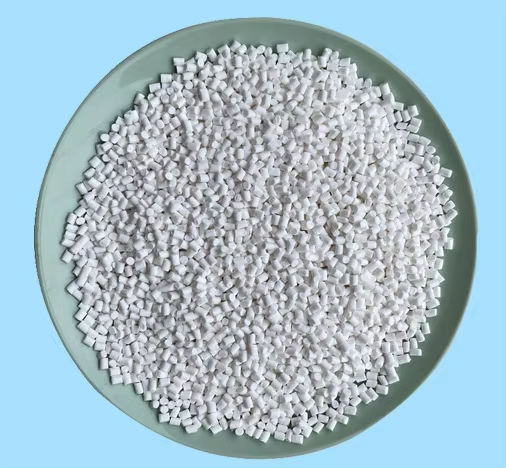
The construction industry faces mounting pressure to enhance building safety while meeting stringent fire protection standards. Modern building codes increasingly demand materials that can resist ignition, slow flame spread, and reduce toxic smoke generation during fire incidents. Flame retardant additives have emerged as critical components in achieving these safety objectives, transforming ordinary construction materials into fire-resistant solutions that protect lives and property. These specialized chemical compounds integrate seamlessly into various building materials, creating a protective barrier against fire hazards without compromising structural integrity or aesthetic appeal.
Understanding Flame Retardant Mechanisms in Construction Applications
Chemical Interference with Combustion Processes
Flame retardant additives function through multiple mechanisms to disrupt the combustion cycle at various stages. The most common approach involves chemical interference with the gas-phase reactions that sustain flames. When these additives decompose under heat, they release specific radicals that capture and neutralize the free radicals responsible for flame propagation. This process effectively breaks the chain reaction that allows fires to spread rapidly through building materials.
Halogenated flame retardant additives, particularly those containing bromine or chlorine, demonstrate exceptional effectiveness in gas-phase flame inhibition. These compounds release halogen radicals upon thermal decomposition, which then compete with oxygen for reaction sites in the flame zone. The result is a significant reduction in flame intensity and propagation speed, providing crucial time for evacuation and emergency response in construction environments.
Physical Barrier Formation and Heat Dissipation
Another vital mechanism involves the formation of protective char layers on material surfaces when exposed to high temperatures. Phosphorus-based flame retardant additives excel in this application, promoting char formation that acts as an insulating barrier between the heat source and underlying material. This char layer not only prevents oxygen from reaching combustible components but also absorbs significant amounts of heat energy that would otherwise contribute to fire spread.
Endothermic flame retardant additives provide additional protection by absorbing heat energy during their decomposition process. Aluminum trihydrate and magnesium hydroxide represent prime examples of this mechanism, releasing water vapor when heated while simultaneously cooling the surrounding material. This dual action of heat absorption and dilution of combustible gases creates an effective fire suppression system integrated directly into construction materials.
Material Integration Strategies for Enhanced Fire Safety
Polymer Matrix Modification Techniques
The integration of flame retardant additives into polymer-based construction materials requires careful consideration of molecular compatibility and processing parameters. Reactive flame retardants chemically bond with polymer chains during manufacturing, creating permanent fire protection that cannot leach out over time. This approach proves particularly valuable in long-term construction applications where consistent fire resistance performance is essential.
Additive flame retardants offer flexibility in formulation and can be incorporated during various manufacturing stages. These compounds disperse throughout the polymer matrix, providing uniform fire protection across the entire material volume. The selection between reactive and additive flame retardant additives depends on specific performance requirements, processing conditions, and compatibility with other material components used in construction applications.
Surface Treatment Applications
Surface-applied flame retardant treatments provide an alternative approach for existing construction materials that require fire protection upgrades. These formulations penetrate material surfaces to create protective barriers against ignition and flame spread. Intumescent coatings represent a sophisticated surface treatment option that expands when heated, forming insulating foam layers that protect underlying substrates from fire damage.
Professional application of flame retardant additives through spray systems or brush techniques ensures uniform coverage and optimal performance. These surface treatments often incorporate multiple flame retardant mechanisms, combining chemical interference with physical barrier formation to maximize fire protection effectiveness in construction environments.
Performance Benefits in Construction Material Categories
Structural Foam and Insulation Enhancement
Polyurethane foams used in construction insulation applications benefit significantly from flame retardant additive integration. These materials naturally present fire hazards due to their organic polymer structure and cellular architecture that promotes rapid flame spread. The incorporation of appropriate flame retardant additives transforms these vulnerable materials into fire-resistant insulation systems that meet or exceed building code requirements.
The cellular structure of foam materials creates unique challenges for flame retardant additive distribution and effectiveness. Proper selection and dosing of these additives ensures uniform protection throughout the foam matrix while maintaining essential thermal insulation properties. Advanced flame retardant additives specifically designed for foam applications provide excellent fire resistance without compromising the mechanical properties or insulation performance that make these materials valuable in construction projects.
Composite Material Fire Protection
Fiber-reinforced composite materials increasingly find applications in construction due to their excellent strength-to-weight ratios and design flexibility. However, the polymer matrix components in these composites present significant fire hazards that require effective flame retardant additive solutions. The integration of appropriate flame retardants must balance fire protection with mechanical performance to ensure structural integrity under both normal and emergency conditions.
Glass fiber reinforced plastics and carbon fiber composites benefit from flame retardant additives that work synergistically with the reinforcing fibers. These additives often incorporate multiple mechanisms, providing gas-phase flame inhibition while promoting char formation that protects the structural fiber network. The result is composite materials that maintain their load-bearing capacity even when exposed to fire conditions, providing critical safety margins in construction applications.
Regulatory Compliance and Safety Standards
Building Code Requirements and Testing Protocols
Modern building codes establish strict requirements for fire resistance performance in construction materials, driving the need for effective flame retardant additive solutions. These regulations typically specify minimum flame spread ratings, smoke development indices, and heat release rates that materials must achieve to gain approval for specific construction applications. Understanding these requirements is essential for selecting appropriate flame retardant additives that ensure regulatory compliance.
Standardized testing protocols such as ASTM E84, UL 94, and NFPA 286 provide consistent methods for evaluating flame retardant additive effectiveness in construction materials. These tests simulate real-world fire conditions to assess material performance under controlled laboratory conditions. Successful performance in these standardized tests demonstrates that flame retardant additives provide the necessary fire protection to meet building code requirements and ensure occupant safety.
Environmental and Health Considerations
The selection of flame retardant additives for construction applications must consider environmental impact and human health effects throughout the material lifecycle. Modern formulations increasingly emphasize non-toxic alternatives that provide effective fire protection without releasing harmful substances during normal use or fire conditions. This shift toward environmentally responsible flame retardant additives reflects growing awareness of sustainability in construction practices.
Green building certification programs such as LEED and BREEAM incorporate flame retardant additive environmental performance into their evaluation criteria. Materials containing environmentally preferred flame retardant additives can contribute to certification points while providing essential fire safety protection. This alignment of safety and sustainability objectives drives continued innovation in flame retardant additive development for construction applications.
Innovation Trends in Flame Retardant Technology
Nanotechnology Applications
Nanotechnology represents a frontier in flame retardant additive development, offering unprecedented opportunities to enhance fire protection performance while minimizing material property impacts. Nano-scale flame retardant additives provide superior dispersion characteristics and can achieve effective fire protection at lower loading levels compared to conventional additives. This efficiency improvement allows construction materials to maintain their original properties while gaining essential fire resistance capabilities.
Layered silicate nanocomposites demonstrate particular promise as flame retardant additives for construction applications. These materials form protective barrier layers when exposed to heat while also providing mechanical property enhancements to the host material. The dual functionality of mechanical reinforcement and fire protection makes nano-scale flame retardant additives attractive solutions for high-performance construction applications where every material component must contribute multiple benefits.
Bio-Based Flame Retardant Development
Sustainable construction practices drive interest in bio-based flame retardant additives derived from renewable resources. These materials offer environmental advantages while providing effective fire protection performance in construction applications. Lignin-based flame retardant additives represent one promising avenue, utilizing waste products from paper manufacturing to create effective fire protection compounds for building materials.
Natural mineral-based flame retardant additives provide another sustainable option for construction applications. These materials often combine fire protection with other beneficial properties such as UV resistance or antimicrobial activity. The multi-functional nature of these bio-based flame retardant additives aligns well with sustainable construction objectives while meeting essential safety requirements for building materials.
FAQ
How do flame retardant additives affect the mechanical properties of construction materials?
Flame retardant additives can influence mechanical properties depending on their type, concentration, and compatibility with the base material. Modern formulations are designed to minimize negative impacts while some actually enhance certain properties like UV resistance or dimensional stability. Proper selection and dosing typically maintain or even improve overall material performance while adding essential fire protection capabilities.
What is the optimal concentration of flame retardant additives in construction materials?
Optimal concentrations vary significantly based on material type, application requirements, and specific flame retardant additive chemistry. Typical ranges span from 5-30% by weight, with higher concentrations used for more demanding fire safety applications. Professional formulation guidance ensures the minimum effective dose is used to achieve required performance while maintaining material properties and cost effectiveness.
How long do flame retardant additives remain effective in construction materials?
The durability of flame retardant additives depends on their chemical structure and integration method. Reactive flame retardants that chemically bond with materials provide permanent protection throughout the material lifecycle. Additive types may experience some degradation over decades of service but are formulated to maintain effective protection for the expected building lifespan when properly applied.
Can flame retardant additives be added to existing construction materials?
Some flame retardant additives can be applied to existing materials through surface treatments or impregnation processes. However, the most effective protection typically comes from integration during manufacturing. Retrofit applications require careful evaluation of compatibility and may achieve different performance levels compared to factory-integrated solutions, but can still provide valuable fire protection upgrades to existing construction materials.
Table of Contents
- Understanding Flame Retardant Mechanisms in Construction Applications
- Material Integration Strategies for Enhanced Fire Safety
- Performance Benefits in Construction Material Categories
- Regulatory Compliance and Safety Standards
- Innovation Trends in Flame Retardant Technology
-
FAQ
- How do flame retardant additives affect the mechanical properties of construction materials?
- What is the optimal concentration of flame retardant additives in construction materials?
- How long do flame retardant additives remain effective in construction materials?
- Can flame retardant additives be added to existing construction materials?