
 EN
EN
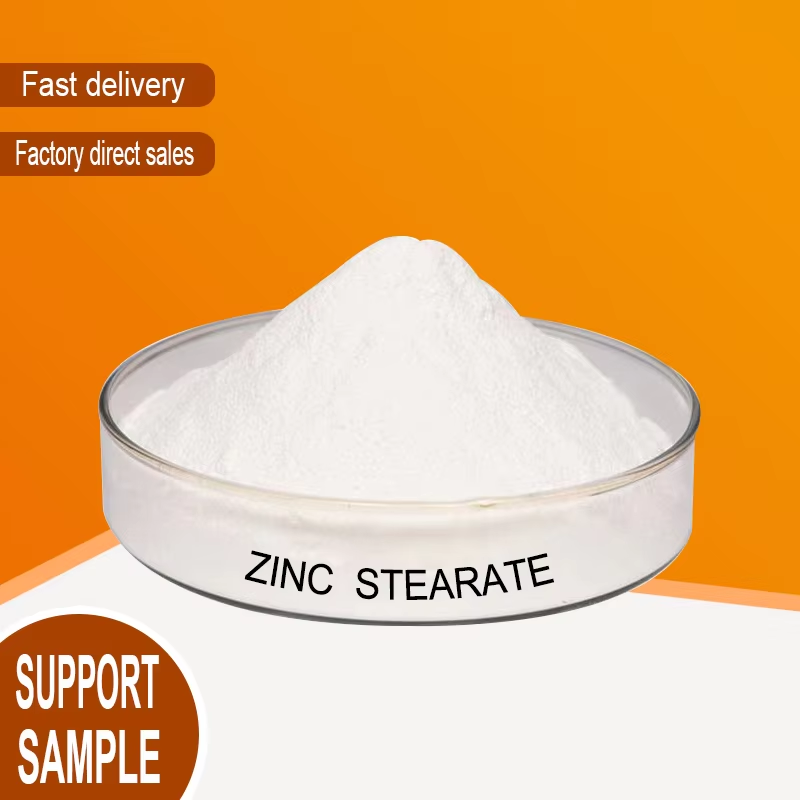
Zinc stearate stands as one of the most versatile metallic soap compounds in modern industrial applications, offering exceptional performance characteristics that vary significantly depending on the specific use case. This white, powdery substance demonstrates remarkable adaptability across diverse manufacturing processes, from plastics production to pharmaceutical formulations. Understanding how zinc stearate performance fluctuates across different applications enables manufacturers to optimize their processes and achieve superior product quality. The compound's unique molecular structure allows it to function as an effective lubricant, release agent, and stabilizer, making it indispensable in numerous industrial sectors.
Chemical Properties and Performance Fundamentals
Molecular Structure Impact on Application Performance
The performance variations of zinc stearate across applications stem from its distinctive molecular architecture. This metallic soap consists of zinc cations bonded to two stearic acid anions, creating a structure that exhibits both hydrophobic and oleophobic properties. The long-chain fatty acid components provide excellent lubrication characteristics, while the zinc center contributes to thermal stability and chemical resistance. These fundamental properties enable zinc stearate to perform exceptionally well in high-temperature processing environments where conventional lubricants might fail.
Temperature sensitivity represents a critical factor in zinc stearate performance across different applications. At elevated temperatures, the compound maintains its structural integrity while providing enhanced flow properties in polymer processing. However, the optimal temperature range varies depending on the specific application, with plastics processing typically requiring different thermal conditions compared to rubber manufacturing. Understanding these temperature-dependent performance characteristics allows manufacturers to fine-tune their processes for maximum efficiency.
Particle Size Distribution and Surface Area Effects
The particle size distribution of zinc stearate significantly influences its performance across various applications. Finer particle sizes generally provide better dispersion and more uniform distribution throughout the host material, resulting in enhanced lubricating effects and improved surface finish quality. In powder coating applications, smaller zinc stearate particles contribute to smoother surface textures and reduced orange peel effects. Conversely, certain applications may benefit from larger particle sizes that provide controlled release properties or specific flow characteristics.
Surface area considerations become particularly important when zinc stearate functions as a processing aid or stabilizer. Higher surface area formulations offer increased interaction with polymer chains or other matrix materials, enhancing the compound's effectiveness as an internal lubricant. This relationship between particle morphology and performance demonstrates why application-specific grades of zinc stearate have been developed to meet diverse industrial requirements.
Performance in Plastic Manufacturing Applications
Thermoplastic Processing Enhancement
In thermoplastic manufacturing, zinc stearate performance manifests through improved melt flow characteristics and reduced processing temperatures. The compound acts as an internal lubricant, reducing friction between polymer chains during processing while maintaining the final product's mechanical properties. PVC processing particularly benefits from zinc stearate addition, as it prevents degradation at high processing temperatures while improving the material's flow properties. The effectiveness varies based on polymer type, with some thermoplastics showing more pronounced improvements than others.
Processing equipment protection represents another crucial aspect of zinc stearate performance in plastics manufacturing. The compound's lubricating properties extend to metal-polymer interfaces, reducing wear on processing equipment such as screws, barrels, and dies. This protective function becomes increasingly important in high-volume production environments where equipment longevity directly impacts operational costs. The anti-corrosive properties of zinc stearate also contribute to extended equipment life by preventing metal degradation in processing machinery.
Thermoset Applications and Cure Characteristics
Thermoset polymer applications present unique performance requirements for zinc stearate, particularly regarding its interaction with curing systems. The compound must provide adequate lubrication during the molding process while avoiding interference with cross-linking reactions. In epoxy formulations, zinc stearate can act as a mold release agent while potentially affecting cure kinetics, requiring careful balance to achieve optimal performance. The timing of zinc stearate addition during formulation becomes critical in thermoset applications.
Compression molding applications showcase zinc stearate's dual functionality as both a processing aid and a release agent. The compound facilitates material flow in the mold cavity while preventing adhesion to mold surfaces, enabling clean part removal and reducing cycle times. Performance optimization in these applications often requires adjustment of zinc stearate concentration based on part geometry, material formulation, and processing conditions.
Rubber and Elastomer Processing Performance
Vulcanization Process Enhancement
Zinc stearate performance in rubber processing differs significantly from its behavior in thermoplastic applications due to the complex chemistry involved in vulcanization. The compound serves multiple functions simultaneously, acting as an activator for sulfur vulcanization systems while providing processing lubrication. This dual role requires careful consideration of zinc stearate concentration to avoid over-activation that could lead to premature curing or scorch issues during processing.
The interaction between zinc stearate and other rubber compounding ingredients significantly influences overall performance. Accelerators, antioxidants, and fillers can all affect how zinc stearate functions within the rubber matrix. Carbon black-filled compounds may require different zinc stearate concentrations compared to silica-filled formulations due to varying surface chemistry interactions. Understanding these complex relationships enables rubber technologists to optimize compound performance for specific end-use requirements.
Processing Safety and Scorch Prevention
Scorch prevention represents a critical performance aspect of zinc stearate in rubber processing, particularly in high-temperature mixing operations. The compound's ability to provide lubrication while moderating cure rate helps prevent premature vulcanization during mixing and calendering operations. This safety margin becomes increasingly important in large-scale production where processing temperatures may fluctuate due to equipment variations or ambient conditions.
Mill release properties of zinc stearate contribute significantly to processing efficiency in rubber manufacturing. The compound prevents excessive adhesion to mill rolls while maintaining adequate tack for subsequent assembly operations. Balancing these seemingly contradictory requirements demonstrates the sophisticated performance characteristics that zinc stearate provides in rubber applications, requiring precise formulation control to achieve optimal results.
Cosmetic and Pharmaceutical Applications
Skin Contact Safety and Performance
Pharmaceutical and cosmetic applications impose stringent purity and safety requirements on zinc stearate, affecting its performance characteristics in these sensitive applications. The compound must meet pharmaceutical grade specifications while providing effective functionality as a lubricant, anti-caking agent, or tablet coating component. Particle size distribution becomes particularly critical in these applications, as it affects both performance and regulatory compliance requirements.
Bioavailability considerations influence how zinc stearate performs in pharmaceutical tablets and capsules. The compound's hydrophobic nature can affect drug release profiles, requiring careful formulation balance to achieve desired therapeutic outcomes. In topical applications, zinc stearate provides slip and adherence properties while maintaining skin compatibility, demonstrating the importance of understanding performance requirements specific to human contact applications.
Regulatory Compliance and Quality Standards
Quality control standards for pharmaceutical-grade zinc stearate significantly exceed those for industrial applications, affecting both cost and performance characteristics. Heavy metal limits, microbiological specifications, and residual catalyst levels all impact the compound's suitability for pharmaceutical use. These stringent requirements often necessitate specialized manufacturing processes that may alter performance characteristics compared to industrial-grade materials.
Stability testing requirements for pharmaceutical applications provide valuable insights into zinc stearate performance over extended storage periods. The compound must maintain its functional properties while avoiding degradation that could affect product safety or efficacy. These stability considerations influence packaging, storage, and handling requirements that may differ significantly from industrial applications.
Paint and Coating System Performance
Flatting Agent Functionality
In paint and coating applications, zinc stearate performance centers on its effectiveness as a flatting agent and texture modifier. The compound reduces gloss levels while maintaining coating integrity and durability. Performance varies significantly based on coating chemistry, with water-based systems requiring different zinc stearate grades compared to solvent-based formulations. The interaction between zinc stearate and other coating components can affect final appearance, durability, and application properties.
Dispersion stability becomes crucial for zinc stearate performance in liquid coating systems. The compound must remain uniformly distributed throughout the coating during storage and application while avoiding settling or agglomeration. Surface treatment of zinc stearate particles can enhance compatibility with specific coating systems, improving both performance and shelf stability.
Application Method Impact on Performance
Different application methods significantly influence zinc stearate performance in coating systems. Spray applications may require finer particle sizes to avoid nozzle clogging, while brush applications can tolerate larger particles that provide enhanced texture effects. Electrostatic spray coating presents unique challenges for zinc stearate performance due to the compound's electrical properties and potential for charge build-up during application.
Cure conditions also affect zinc stearate performance in coating applications, particularly in powder coatings where the compound must provide flow enhancement while avoiding surface defects. Temperature and time parameters during the cure cycle can influence how zinc stearate migrates within the coating film, affecting final surface properties and appearance quality.
Food Processing and Safety Applications
Food-Grade Performance Requirements
Food processing applications require zinc stearate to meet strict safety and purity standards while providing effective anti-caking and flow enhancement properties. The compound's performance in food applications must balance functionality with regulatory compliance, ensuring that migration levels remain within acceptable limits for food contact materials. Processing conditions in food manufacturing often involve moisture and temperature variations that can affect zinc stearate stability and performance.
Packaging applications represent a significant area where zinc stearate performance impacts food safety and quality. The compound's anti-blocking properties prevent packaging films from adhering during storage and handling while maintaining barrier properties essential for food preservation. Performance requirements vary significantly between different packaging materials and food types, necessitating careful selection of appropriate zinc stearate grades.
Processing Aid Effectiveness
As a processing aid in food manufacturing equipment, zinc stearate performance focuses on reducing friction and preventing product adhesion while maintaining food safety standards. The compound must provide effective lubrication without transferring to the food product in quantities that could affect taste, appearance, or safety. Equipment compatibility becomes crucial, as zinc stearate must not cause corrosion or degradation of food processing machinery.
Temperature stability in food processing environments presents unique challenges for zinc stearate performance. The compound must maintain its functional properties across the temperature ranges encountered in various food processing operations while avoiding decomposition that could generate unwanted byproducts. This stability requirement often dictates specific manufacturing processes and quality control measures for food-grade zinc stearate.
Performance Optimization Strategies
Application-Specific Formulation Approaches
Optimizing zinc stearate performance requires understanding the specific requirements of each application and tailoring the compound's characteristics accordingly. Particle size modification, surface treatment, and purity enhancement all represent viable strategies for improving performance in targeted applications. The development of application-specific grades has enabled manufacturers to achieve superior results by matching zinc stearate properties to specific performance requirements.
Blending zinc stearate with other metallic soaps or processing aids can enhance performance in certain applications while addressing limitations of the pure compound. Calcium stearate, magnesium stearate, and other metallic soaps can complement zinc stearate's properties, providing synergistic effects that improve overall system performance. These combination approaches require careful consideration of interactions and compatibility to avoid adverse effects.
Quality Control and Performance Monitoring
Establishing appropriate quality control measures enables consistent zinc stearate performance across different production batches and applications. Particle size analysis, thermal stability testing, and purity verification all contribute to ensuring reliable performance characteristics. Regular performance monitoring in actual application conditions helps identify optimization opportunities and prevents quality issues before they impact production.
Performance tracking over extended periods provides valuable insights into how zinc stearate behaves under various storage and handling conditions. This information enables manufacturers to establish appropriate storage protocols, shelf life limits, and handling procedures that maintain optimal performance characteristics throughout the product lifecycle. Environmental factors such as humidity, temperature, and light exposure can all affect zinc stearate performance over time.
FAQ
What factors most significantly influence zinc stearate performance across different applications
The most significant factors affecting zinc stearate performance include particle size distribution, purity level, processing temperature, and chemical compatibility with other ingredients. Particle size directly impacts dispersion and surface interaction, while purity affects both performance and regulatory compliance. Processing temperatures must be optimized for each application to maintain zinc stearate stability and functionality. Chemical compatibility with other formulation components can either enhance or inhibit performance, making it crucial to understand ingredient interactions in each specific application.
How does zinc stearate concentration affect performance in polymer processing
Zinc stearate concentration significantly impacts polymer processing performance, with optimal levels varying by polymer type and processing conditions. Low concentrations may provide insufficient lubrication, leading to increased processing temperatures and equipment wear. Excessive concentrations can cause surface bloom, affect mechanical properties, or interfere with downstream processes like adhesion or printing. Most polymer applications achieve optimal performance with zinc stearate concentrations between 0.1% and 2.0% by weight, depending on the specific requirements and other additives present in the formulation.
Can zinc stearate performance be enhanced through surface modifications
Yes, surface modifications can significantly enhance zinc stearate performance for specific applications. Coating treatments can improve compatibility with polar polymers, while particle size reduction increases surface area and effectiveness as a processing aid. Organic surface treatments may enhance dispersion in non-polar systems, while specific coatings can provide controlled release properties for pharmaceutical applications. These modifications allow zinc stearate to meet specialized performance requirements that cannot be achieved with standard grades.
What quality parameters are most critical for ensuring consistent zinc stearate performance
Critical quality parameters for consistent zinc stearate performance include particle size distribution, moisture content, heavy metal levels, and thermal stability characteristics. Particle size affects dispersion and functionality, while moisture content impacts storage stability and processing behavior. Heavy metal specifications are crucial for food and pharmaceutical applications, ensuring safety and regulatory compliance. Thermal stability parameters determine performance under processing conditions and help predict behavior during high-temperature applications. Regular monitoring of these parameters enables manufacturers to maintain consistent performance across different production batches.
Table of Contents
- Chemical Properties and Performance Fundamentals
- Performance in Plastic Manufacturing Applications
- Rubber and Elastomer Processing Performance
- Cosmetic and Pharmaceutical Applications
- Paint and Coating System Performance
- Food Processing and Safety Applications
- Performance Optimization Strategies
-
FAQ
- What factors most significantly influence zinc stearate performance across different applications
- How does zinc stearate concentration affect performance in polymer processing
- Can zinc stearate performance be enhanced through surface modifications
- What quality parameters are most critical for ensuring consistent zinc stearate performance