
 EN
EN
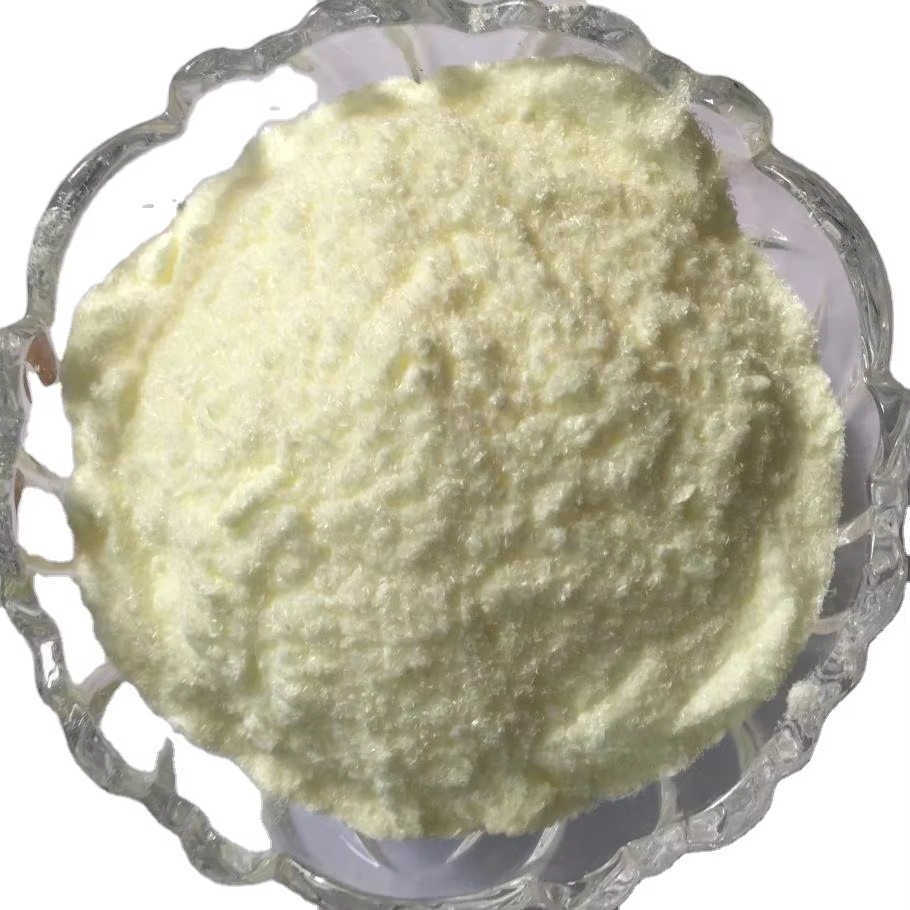
In today's demanding industrial landscape, manufacturers constantly seek materials that can withstand extreme conditions while maintaining exceptional performance. PNBR has emerged as a revolutionary solution for applications requiring superior durability and resistance to harsh environmental factors. This synthetic rubber compound offers unprecedented advantages over traditional rubber materials, making it the preferred choice for industries ranging from automotive to aerospace engineering.
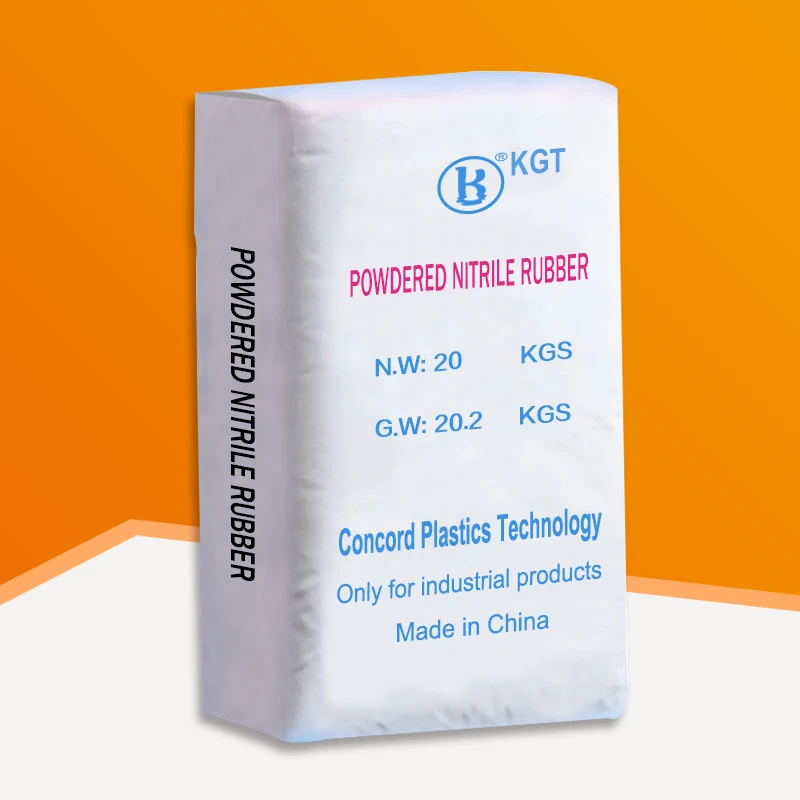
The unique molecular structure of PNBR provides exceptional chemical resistance and mechanical properties that surpass conventional rubber alternatives. Engineers and product developers worldwide have recognized these superior characteristics, leading to widespread adoption across multiple industries. Understanding the specific benefits and applications of PNBR is crucial for making informed material selection decisions in challenging operational environments.
Chemical Resistance Properties of PNBR
Oil and Fuel Resistance Capabilities
PNBR demonstrates remarkable resistance to petroleum-based products, including various oils, fuels, and hydraulic fluids. This exceptional chemical compatibility stems from its nitrile backbone structure, which creates strong intermolecular bonds that resist degradation when exposed to hydrocarbon compounds. Manufacturing facilities processing automotive components particularly benefit from this resistance, as PNBR maintains its structural integrity even after prolonged exposure to engine oils and transmission fluids.
The superior fuel resistance of PNBR makes it invaluable in aerospace applications where materials must withstand jet fuel exposure without compromising safety or performance. Unlike standard rubber compounds that may swell or deteriorate when exposed to aviation fuels, PNBR maintains dimensional stability and mechanical properties throughout extended operational periods.
Solvent and Chemical Resistance
Industrial environments often involve exposure to aggressive solvents and chemical compounds that would rapidly degrade conventional rubber materials. PNBR exhibits excellent resistance to a broad spectrum of industrial chemicals, including ketones, esters, and aromatic hydrocarbons. This chemical inertness ensures that components manufactured from PNBR maintain their performance characteristics even in the most challenging chemical processing environments.
The molecular cross-linking in PNBR creates a barrier that prevents chemical penetration and subsequent material degradation. This protective mechanism allows manufacturers to utilize PNBR in applications where component failure could result in significant operational disruptions or safety hazards.
Temperature Resistance and Thermal Stability
High Temperature Performance
One of the most significant advantages of PNBR lies in its exceptional high-temperature performance capabilities. This synthetic rubber maintains its mechanical properties and flexibility at temperatures exceeding 150°C, making it suitable for applications in automotive engine compartments, industrial heating systems, and high-temperature processing equipment. The thermal stability of PNBR prevents premature aging and hardening that commonly affect other rubber compounds under elevated temperature conditions.
Manufacturing processes requiring consistent material performance across varying temperature ranges benefit significantly from PNBR implementation. The compound's resistance to thermal oxidation ensures that seals, gaskets, and other critical components maintain their sealing capabilities throughout their intended service life, reducing maintenance requirements and operational downtime.
Low Temperature Flexibility
PNBR maintains remarkable flexibility even at extremely low temperatures, unlike many rubber alternatives that become brittle and prone to cracking in cold environments. This low-temperature performance makes PNBR ideal for applications in aerospace, automotive, and industrial equipment operating in harsh winter conditions or cryogenic environments.
The molecular structure of PNBR prevents the formation of crystalline regions that typically cause brittleness in other rubber compounds at low temperatures. This characteristic ensures that dynamic seals and flexible components continue functioning effectively across the entire operational temperature range specified for the application.
Mechanical Properties and Durability
Tensile Strength and Elasticity
The outstanding tensile strength of PNBR enables its use in applications requiring high mechanical stress resistance. This synthetic rubber compound exhibits superior tear resistance and elastic recovery properties, allowing components to withstand repeated deformation cycles without permanent damage or performance degradation. Industrial equipment manufacturers particularly value these characteristics when designing sealing systems for high-pressure hydraulic applications.
PNBR maintains its elasticity throughout extended operational periods, ensuring that seals and gaskets continue providing effective sealing performance even after millions of compression and extension cycles. This durability translates directly into reduced maintenance costs and improved equipment reliability for end users.
Abrasion and Wear Resistance
Applications involving sliding contact or abrasive conditions require materials capable of withstanding continuous wear without significant degradation. PNBR demonstrates exceptional abrasion resistance, making it suitable for dynamic sealing applications where components experience friction against metal surfaces or exposure to particulate matter.
The wear resistance properties of PNBR result from its dense molecular structure and strong intermolecular bonding, which prevents surface material removal under normal operating conditions. This characteristic significantly extends component service life in demanding applications such as hydraulic cylinders, automotive transmissions, and industrial machinery.
Manufacturing Applications and Industry Implementation
Automotive Industry Applications
The automotive industry has extensively adopted PNBR for manufacturing critical sealing components that must withstand exposure to engine oils, transmission fluids, and fuel systems. Engine gaskets, transmission seals, and fuel line components manufactured from PNBR demonstrate superior longevity compared to traditional rubber alternatives, contributing to improved vehicle reliability and reduced warranty claims.
Modern automotive designs increasingly require materials that can perform effectively across extended temperature ranges while maintaining compatibility with advanced fuel formulations and synthetic lubricants. PNBR meets these demanding requirements, making it the preferred material for next-generation automotive sealing applications.
Industrial Equipment Manufacturing
Industrial equipment manufacturers utilize PNBR in applications where component failure could result in significant operational disruptions or safety hazards. Hydraulic seals, pump gaskets, and valve components manufactured from PNBR provide reliable performance in harsh industrial environments while minimizing maintenance requirements and operational costs.
The chemical compatibility and temperature resistance of PNBR make it particularly valuable in processing industries where equipment must handle aggressive chemicals at elevated temperatures. Food processing, pharmaceutical manufacturing, and chemical production facilities benefit from the reliable performance characteristics that PNBR provides in critical sealing applications.
Processing and Manufacturing Considerations
Vulcanization and Curing Properties
The vulcanization characteristics of PNBR allow manufacturers to optimize processing parameters for specific application requirements. This synthetic rubber compound responds well to various curing systems, including sulfur, peroxide, and radiation curing methods, providing flexibility in manufacturing processes and enabling custom property development for specialized applications.
Processing equipment manufacturers appreciate the consistent curing behavior of PNBR, which reduces production variability and ensures uniform product quality across large manufacturing runs. The predictable processing characteristics facilitate automated production methods while maintaining tight tolerances on critical component dimensions.
Compounding and Additives
PNBR accepts a wide range of fillers, plasticizers, and additives that allow formulators to customize material properties for specific applications. Carbon black reinforcement improves tensile strength and abrasion resistance, while specialized additives can enhance specific properties such as flame resistance or electrical conductivity.
The compatibility of PNBR with various compounding ingredients enables manufacturers to develop specialized formulations that meet unique performance requirements. This flexibility makes PNBR suitable for applications ranging from standard industrial sealing to specialized aerospace and military applications with stringent performance specifications.
Cost-Effectiveness and Economic Benefits
Long-term Performance Value
While PNBR may require higher initial material costs compared to conventional rubber compounds, the extended service life and reduced maintenance requirements typically result in significant long-term cost savings. Equipment manufacturers and end users benefit from reduced downtime, lower replacement part costs, and decreased labor requirements for maintenance activities.
The superior durability of PNBR components translates into extended equipment life cycles and improved overall equipment effectiveness. Manufacturing facilities utilizing PNBR sealing components report fewer unplanned maintenance events and reduced inventory requirements for replacement parts.
Quality and Reliability Benefits
The consistent performance characteristics of PNBR contribute to improved product quality and reliability across various applications. Manufacturers benefit from reduced warranty claims and customer complaints related to premature component failure, while end users experience improved equipment uptime and operational efficiency.
Quality control processes benefit from the predictable behavior of PNBR during manufacturing and service, enabling more accurate performance predictions and improved design optimization. This predictability facilitates advanced condition monitoring and preventive maintenance strategies that further enhance operational efficiency.
FAQ
What makes PNBR superior to standard rubber in harsh environments
PNBR offers superior chemical resistance, temperature stability, and mechanical durability compared to standard rubber compounds. Its unique molecular structure provides exceptional resistance to oils, fuels, solvents, and extreme temperatures while maintaining flexibility and sealing performance throughout extended operational periods.
How does PNBR perform in automotive applications
PNBR demonstrates excellent performance in automotive applications due to its compatibility with modern fuels and lubricants, resistance to temperature extremes found in engine compartments, and ability to maintain sealing effectiveness throughout vehicle service life. This makes it ideal for engine gaskets, transmission seals, and fuel system components.
What temperature range can PNBR withstand effectively
PNBR maintains its performance characteristics across a wide temperature range, typically from -40°C to +150°C or higher depending on the specific formulation. This broad operational temperature range makes it suitable for applications in both cold climate conditions and high-temperature industrial processes.
Is PNBR cost-effective for industrial applications
Despite higher initial material costs, PNBR provides excellent long-term value through extended service life, reduced maintenance requirements, and improved equipment reliability. The total cost of ownership typically favors PNBR in demanding applications where component failure would result in significant operational disruptions or safety concerns.