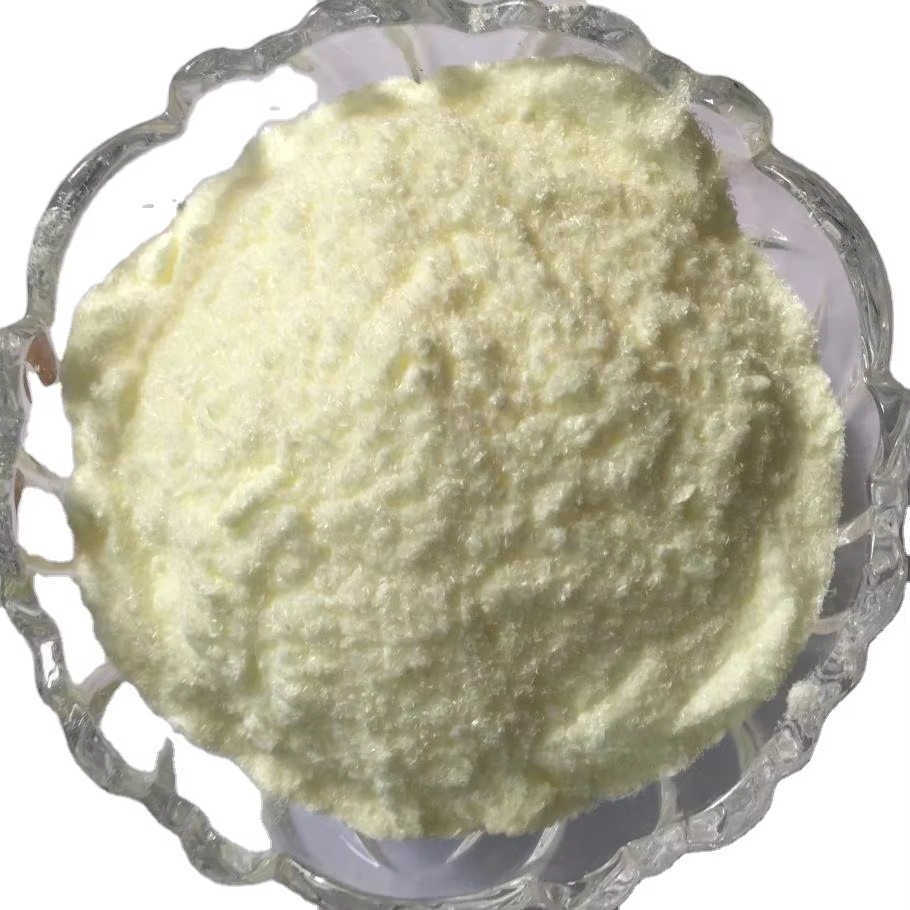
Flexible PVC Resin: Advanced Polymer Solution for Versatile Industrial Applications

All Categories

flexible pvc resin

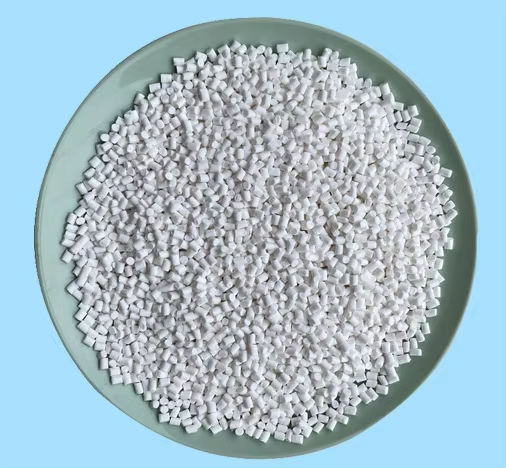
Flexible PVC resin stands as a versatile thermoplastic material that has revolutionized various industries through its exceptional adaptability and performance characteristics. This specialized polymer is engineered to provide enhanced flexibility and durability, making it an ideal choice for numerous applications. The resin is manufactured through a sophisticated polymerization process that incorporates plasticizers and other additives to achieve specific physical properties. These modifications result in a material that maintains excellent dimensional stability while offering superior flexibility compared to rigid PVC variants. The resin demonstrates remarkable resistance to chemicals, weathering, and UV exposure, ensuring long-term performance in diverse environmental conditions. In manufacturing processes, flexible PVC resin can be easily processed using standard methods including extrusion, injection molding, and calendering, providing manufacturers with versatile production options. The material's inherent properties make it particularly suitable for applications requiring both flexibility and durability, such as cable insulation, medical tubing, automotive components, and consumer goods. Additionally, the resin's compatibility with various additives allows manufacturers to customize properties like hardness, transparency, and color according to specific requirements, ensuring optimal performance in end-use applications.

New Product Releases

Flexible PVC resin offers numerous compelling advantages that make it a preferred choice across multiple industries. First and foremost, its outstanding flexibility and elasticity enable the production of durable products that can withstand repeated bending and stretching without compromising structural integrity. This characteristic is particularly valuable in applications requiring constant movement or flexibility. The material exhibits excellent chemical resistance, protecting against acids, bases, oils, and many other substances, which extends product lifespan and maintains performance in challenging environments. Another significant advantage is its cost-effectiveness, providing an economical solution without sacrificing quality or performance. The resin's processing versatility allows manufacturers to utilize various production methods, reducing equipment investment and operational costs. From an environmental perspective, flexible PVC resin can be recycled and reprocessed, contributing to sustainable manufacturing practices. The material's inherent flame-retardant properties can be further enhanced through additives, making it suitable for safety-critical applications. Its excellent electrical insulation properties make it ideal for wire and cable applications, while its resistance to moisture and weathering ensures long-term durability in outdoor applications. The ability to modify the resin's properties through various additives provides manufacturers with unlimited possibilities for customization, enabling them to meet specific application requirements and industry standards. Additionally, the material's smooth surface finish and ability to accept different colors and textures make it aesthetically versatile for consumer products.

Practical Tips

What Is PVC Resin and How Is It Manufactured?

27

Aug

What Is PVC Resin and How Is It Manufactured?

Understanding the Fundamentals of Polyvinyl Chloride Production PVC resin stands as one of the most versatile and widely used synthetic materials in modern manufacturing. As a fundamental building block of countless products, from construction materi...
View More
 What Are the Functions of Stearates in PVC Compounding

11

Sep

What Are the Functions of Stearates in PVC Compounding

Understanding the Essential Role of Stearates in PVC Processing In the world of polymer processing, stearates in PVC compounding play a crucial role in determining the quality, efficiency, and performance of the final product. These versatile additiv...
View More
How to Control Plasticizer Migration in Finished Products

22

Oct

How to Control Plasticizer Migration in Finished Products

Understanding the Impact of Plasticizer Migration on Product Quality Plasticizer migration represents a significant challenge in the manufacturing industry, affecting product quality, durability, and safety across various sectors. This phenomenon occ...
View More
What Is the Impact of Plasticizer on PVC Gelation

17

Nov

What Is the Impact of Plasticizer on PVC Gelation

Understanding the relationship between plasticizers and polyvinyl chloride (PVC) gelation is crucial for manufacturers seeking optimal processing conditions and end-product quality. The impact of plasticizer on PVC gelation fundamentally alters the t...
View More

Get a Free Quote

Our representative will contact you soon.
Email
Name
Company Name
Message
0/1000

flexible pvc resin

Superior Flexibility and Durability

Superior Flexibility and Durability

The exceptional flexibility of PVC resin represents a groundbreaking advancement in polymer technology, offering unprecedented versatility in product design and application. This flexibility is achieved through a carefully controlled manufacturing process that incorporates specific plasticizers and additives, resulting in a material that can bend and flex while maintaining its structural integrity. The resin's molecular structure allows it to withstand repeated deformation without experiencing fatigue or permanent deformation, making it ideal for applications requiring constant movement or flexibility. This characteristic is particularly valuable in products such as medical tubing, wire insulation, and flexible hoses, where reliability and longevity are crucial. The material's ability to retain its flexible properties over extended periods, even under challenging environmental conditions, ensures consistent performance throughout the product lifecycle. Furthermore, this flexibility can be precisely controlled during manufacturing, allowing producers to achieve specific hardness levels and elastic properties tailored to their application requirements.
Chemical and Environmental Resistance

Chemical and Environmental Resistance

The remarkable chemical resistance of flexible PVC resin sets it apart as a superior material for demanding applications. This resistance extends to a wide range of substances, including acids, bases, salts, and organic compounds, making it suitable for use in harsh chemical environments. The material's molecular structure creates an effective barrier against chemical attack, preventing degradation and maintaining product integrity over time. Environmental resistance is equally impressive, with the resin showing excellent stability under various weather conditions, including exposure to UV radiation, moisture, and temperature fluctuations. This resistance is particularly valuable for outdoor applications, where materials must withstand constant exposure to environmental elements while maintaining their physical and mechanical properties. The resin's ability to resist bacterial and fungal growth also makes it ideal for medical and food-grade applications, where cleanliness and hygiene are paramount.
Processing Versatility and Customization

Processing Versatility and Customization

The exceptional processing versatility of flexible PVC resin provides manufacturers with unprecedented freedom in product design and manufacturing methods. The material can be processed using various techniques, including extrusion, injection molding, calendering, and blow molding, allowing for the production of a wide range of products with different shapes, sizes, and characteristics. This versatility is enhanced by the resin's excellent flow properties during processing, which ensure consistent product quality and reduce manufacturing defects. The ability to incorporate various additives and modifiers allows manufacturers to customize the material's properties, including hardness, color, transparency, and surface finish, to meet specific application requirements. This customization capability extends to flame retardancy, UV stability, and other performance characteristics, enabling the creation of products that comply with industry-specific standards and regulations. The material's processing window is also forgiving, making it easier to maintain quality control during production while minimizing waste and optimizing manufacturing efficiency.


Get a Free Quote

Our representative will contact you soon.
Email
Name
Company Name
Message
0/1000