Magnesium Stearate Safety: A Comprehensive Guide to Its Benefits and Applications

All Categories

magnesium stearate is it safe

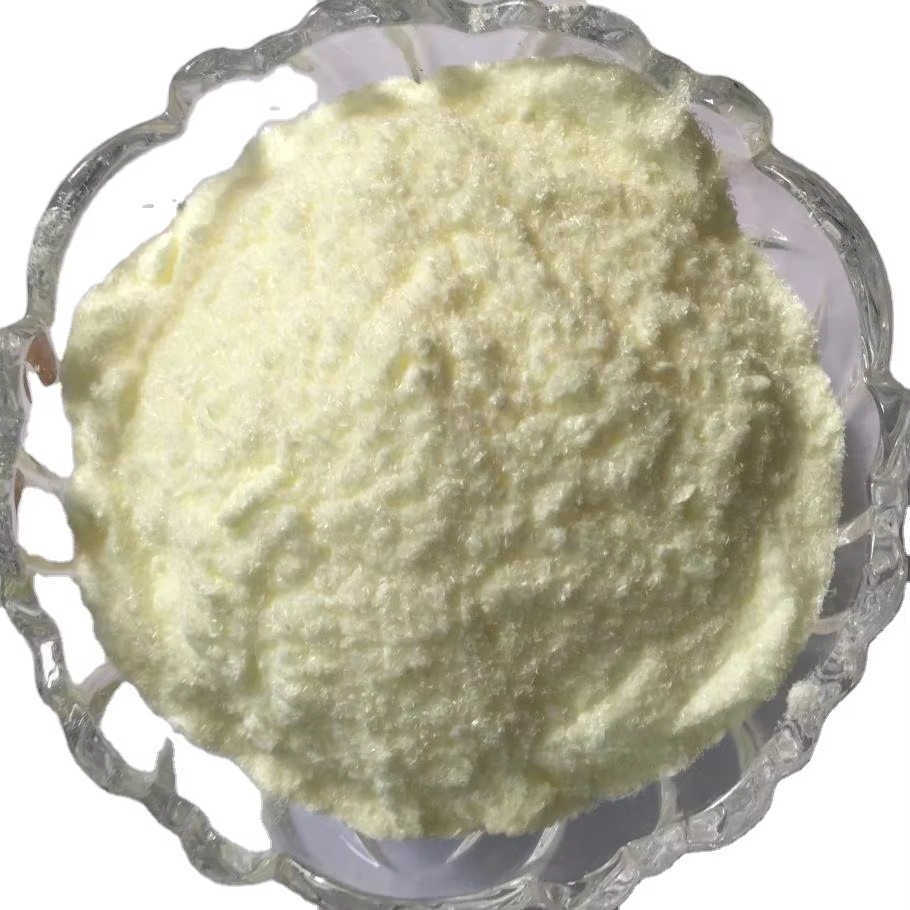
Magnesium stearate is a compound widely used in pharmaceutical and supplement manufacturing as a flow agent and lubricant. This white, powder-like substance is created by combining magnesium with stearic acid, a common fatty acid found in many foods. The safety of magnesium stearate has been extensively studied and documented, with numerous regulatory bodies, including the FDA, recognizing it as Generally Recognized as Safe (GRAS). In pharmaceutical applications, it serves as an essential excipient that prevents ingredients from sticking to manufacturing equipment and ensures consistent tablet formation. The compound typically comprises only 0.25% to 5% of a supplement or medication's total content. Despite its widespread use, there have been misconceptions about its safety. However, scientific evidence supports that magnesium stearate is safe for human consumption at the levels used in supplementation and pharmaceutical products. The compound is actually broken down by the body into its basic components - magnesium and stearic acid - both of which are naturally occurring and beneficial nutrients that the body can readily process and utilize.


Popular Products

The safety profile of magnesium stearate offers numerous advantages that make it an invaluable ingredient in pharmaceutical and supplement manufacturing. First, its low toxicity and high stability ensure that products remain safe throughout their shelf life. The compound's ability to act as a flow agent significantly improves manufacturing efficiency, leading to more consistent product quality and reduced production costs. These savings often translate to more affordable supplements and medications for consumers. Additionally, magnesium stearate's lubricating properties help tablets release from manufacturing equipment cleanly, ensuring accurate dosing and reducing waste. The compound's role in preventing ingredients from sticking together during production helps maintain the stability and effectiveness of active ingredients. From a nutritional perspective, when magnesium stearate breaks down in the body, it provides small amounts of beneficial magnesium and stearic acid, which can contribute to overall nutrient intake. Its low reactivity with other ingredients means it won't interfere with the therapeutic effects of medications or supplements. The compound's excellent safety record, backed by decades of research and widespread use, provides peace of mind for manufacturers and consumers alike. Furthermore, its status as a GRAS substance means it has met rigorous safety standards set by regulatory authorities.

Tips And Tricks

What Are the Differences Between Calcium-Zinc and Lead Stabilizers?

27

Aug

What Are the Differences Between Calcium-Zinc and Lead Stabilizers?

Understanding PVC Stabilizer Systems: A Comprehensive Guide In the world of polymer processing and PVC manufacturing, the choice of heat stabilizers plays a crucial role in determining the final product's quality, durability, and environmental impact...
View More
How to Control Plasticizer Migration in Finished Products

22

Oct

How to Control Plasticizer Migration in Finished Products

Understanding the Impact of Plasticizer Migration on Product Quality Plasticizer migration represents a significant challenge in the manufacturing industry, affecting product quality, durability, and safety across various sectors. This phenomenon occ...
View More
How to Optimize Toughening Agent Dosage in Compounding

17

Nov

How to Optimize Toughening Agent Dosage in Compounding

The precision of toughening agent dosage in polymer compounding represents a critical balance between achieving desired mechanical properties and maintaining cost-effectiveness. Industrial manufacturers face mounting pressure to optimize formulations...
View More
What Is K-Value in PVC Resin and Why Does It Matter

17

Nov

What Is K-Value in PVC Resin and Why Does It Matter

The K-Value in PVC Resin represents one of the most critical parameters that determines the quality, processing characteristics, and end-use applications of polyvinyl chloride materials. This fundamental measurement serves as a primary indicator of m...
View More

Get a Free Quote

Our representative will contact you soon.
Email
Name
Company Name
Message
0/1000

magnesium stearate is it safe

Safety Profile and Regulatory Approval

Safety Profile and Regulatory Approval

Magnesium stearate's safety profile is one of its most compelling features, supported by extensive scientific research and regulatory oversight. The compound has undergone rigorous testing and evaluation by various international safety authorities, consistently demonstrating its safety for human consumption. The FDA's designation of magnesium stearate as GRAS reflects the substantial evidence supporting its safety in food and pharmaceutical applications. Studies have shown that the body efficiently processes both components of magnesium stearate, magnesium and stearic acid, through normal metabolic pathways. The amount used in supplements and medications is well below any level of concern, typically constituting less than 5% of a product's total weight. Long-term safety studies have found no adverse effects from regular consumption at these levels, making it suitable for daily use in various products.
Manufacturing Benefits and Quality Control

Manufacturing Benefits and Quality Control

The technical advantages of magnesium stearate in manufacturing processes are crucial for ensuring consistent product quality. As a flow agent, it prevents ingredients from clumping together during production, leading to more uniform mixture distribution and more accurate dosing in final products. This property is especially important for medications where precise dosing is critical for therapeutic effectiveness. The lubricating properties of magnesium stearate also protect manufacturing equipment from wear and tear, reducing maintenance costs and production downtime. Quality control is enhanced as the compound helps maintain consistent tablet weight and density, leading to more reliable dissolution rates and better absorption of active ingredients. These manufacturing benefits ultimately translate to higher quality products that meet strict pharmaceutical standards.
Consumer Benefits and Product Stability

Consumer Benefits and Product Stability

From a consumer perspective, the use of magnesium stearate provides several significant benefits. The compound's ability to prevent ingredient separation ensures that supplements and medications maintain their potency throughout their shelf life. This stability means consumers can trust that their products will remain effective until the expiration date. The improved flow properties during manufacturing result in tablets that are easier to swallow and less likely to stick together in the bottle. Additionally, the presence of magnesium stearate helps ensure that tablets break down appropriately in the digestive system, promoting optimal absorption of active ingredients. The compound's role in maintaining product consistency means consumers receive the same quality and effectiveness with every dose, whether it's the first or last tablet in the bottle.

Get a Free Quote

Our representative will contact you soon.
Email
Name
Company Name
Message
0/1000