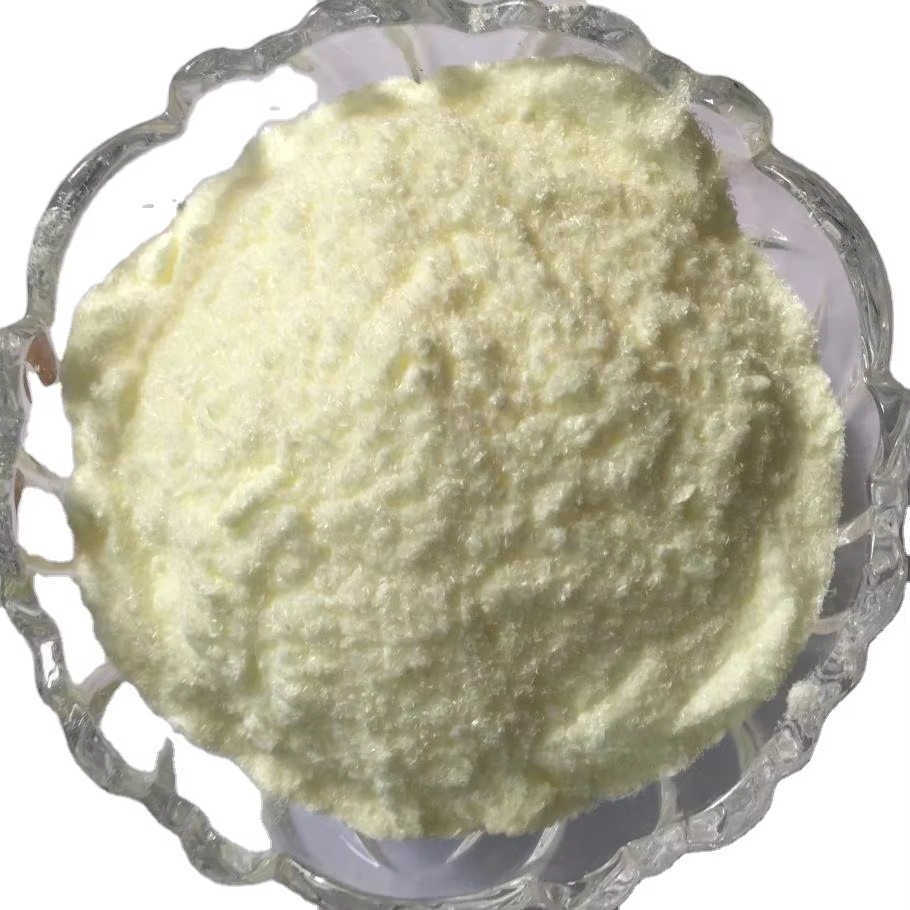
Oxidized Polyethylene Wax: Advanced Performance Additive for Industrial Applications

All Categories

oxidized polyethylene wax

Oxidized polyethylene wax is a versatile chemical compound created through the controlled oxidation of polyethylene under specific temperature and pressure conditions. This specialized process introduces oxygen-containing functional groups into the molecular structure, resulting in a material with enhanced properties compared to conventional polyethylene wax. The product exhibits excellent dispersibility, improved compatibility with various substrates, and superior adhesion characteristics. With a precisely controlled molecular weight distribution and oxidation degree, this wax demonstrates remarkable stability and consistency in performance across different applications. The material features a unique combination of properties, including high hardness, low viscosity at elevated temperatures, and outstanding chemical resistance. These characteristics make it an invaluable component in numerous industrial applications, from PVC processing and textile manufacturing to printing ink formulations and coating systems. The wax's ability to function as an effective dispersing agent, lubricant, and surface modifier has established its position as a crucial additive in modern manufacturing processes. Its controlled particle size distribution ensures optimal performance in various end-use applications, while its thermal stability contributes to enhanced processing efficiency and product quality.


New Product Releases

Oxidized polyethylene wax offers numerous compelling advantages that make it an essential component in various industrial applications. First and foremost, its superior dispersing properties enable manufacturers to achieve uniform distribution of pigments and additives in their formulations, resulting in enhanced product quality and consistency. The wax's excellent compatibility with different polymer systems allows for seamless integration into various manufacturing processes, reducing production complications and improving efficiency. Its unique molecular structure provides exceptional internal and external lubrication properties, leading to reduced processing temperatures and energy consumption during manufacturing. The material's high melting point and thermal stability ensure reliable performance under demanding processing conditions, while its resistance to chemicals and environmental factors contributes to improved product durability. Another significant advantage is its ability to enhance surface properties, providing better scratch resistance, slip characteristics, and matting effects in final products. The wax's controlled oxidation degree allows for customization of properties to meet specific application requirements, making it a versatile solution for diverse industrial needs. Its excellent film-forming capabilities contribute to superior coating performance, while its anti-blocking properties prevent material adhesion during storage and handling. The material's low volatility ensures minimal emissions during processing, supporting environmental compliance and workplace safety. Additionally, its cost-effectiveness and efficiency in small quantities make it an economically attractive option for manufacturers seeking to optimize their production processes.

Practical Tips

What Are the Most Common Lubricants Used in PVC Extrusion

11

Sep

What Are the Most Common Lubricants Used in PVC Extrusion

Understanding the Role of Lubricants in PVC Processing The success of PVC extrusion operations heavily depends on the selection and proper use of lubricants. These essential additives play a crucial role in facilitating the smooth processing of PVC c...
View More
How to Choose the Right PVC Resin Grade for Your Application

11

Sep

How to Choose the Right PVC Resin Grade for Your Application

Understanding PVC Resin Properties and Selection Criteria Selecting the appropriate PVC resin grade is crucial for ensuring optimal product performance and manufacturing efficiency. The diverse range of PVC resin grades available today offers varying...
View More
What Is the Difference Between Core-Shell and Elastomer Tougheners

22

Oct

What Is the Difference Between Core-Shell and Elastomer Tougheners

Understanding Modern Polymer Toughening Technologies In the evolving world of polymer science and materials engineering, toughening agents play a crucial role in enhancing the mechanical properties of plastics and composites. Core-shell and elastomer...
View More
What Is the Impact of Plasticizer on PVC Gelation

17

Nov

What Is the Impact of Plasticizer on PVC Gelation

Understanding the relationship between plasticizers and polyvinyl chloride (PVC) gelation is crucial for manufacturers seeking optimal processing conditions and end-product quality. The impact of plasticizer on PVC gelation fundamentally alters the t...
View More

Get a Free Quote

Our representative will contact you soon.
Email
Name
Company Name
Message
0/1000

oxidized polyethylene wax

Enhanced Processing Efficiency and Performance

Enhanced Processing Efficiency and Performance

Oxidized polyethylene wax significantly improves processing efficiency through its exceptional lubrication properties and thermal stability. The material's unique molecular structure enables it to reduce friction between polymer chains during processing, resulting in lower processing temperatures and reduced energy consumption. This enhanced efficiency not only leads to cost savings but also helps prevent material degradation during manufacturing. The wax's ability to maintain consistent performance across various temperature ranges ensures reliable processing outcomes, while its excellent dispersion characteristics facilitate uniform distribution of additives and pigments throughout the mixture. This uniformity is crucial for achieving consistent product quality and optimal performance characteristics in the final application. The material's low viscosity at processing temperatures enables better flow properties, leading to improved mold filling and reduced cycle times in manufacturing processes.
Superior Surface Modification Properties

Superior Surface Modification Properties

The distinctive chemical structure of oxidized polyethylene wax makes it an exceptional surface modifier for various applications. Its controlled oxidation degree enables strong interactions with substrate materials, resulting in enhanced surface properties such as improved scratch resistance, better slip characteristics, and controlled matting effects. The wax forms a uniform protective layer on treated surfaces, providing long-lasting protection against environmental factors and mechanical stress. Its excellent film-forming capabilities ensure consistent coverage and adhesion, while its chemical resistance helps maintain surface properties over extended periods. The material's ability to modify surface energy levels makes it particularly valuable in applications requiring specific wetting or anti-wetting properties.
Versatile Compatibility and Application Range

Versatile Compatibility and Application Range

Oxidized polyethylene wax demonstrates remarkable versatility through its compatibility with a wide range of materials and applications. Its modified chemical structure allows for excellent interaction with various polymer systems, making it an ideal additive for multiple industries. The material's balanced combination of properties enables it to serve multiple functions simultaneously, from dispersing agent to lubricant and surface modifier. Its effectiveness in small quantities makes it an economical choice for manufacturers, while its stability ensures consistent performance across different application methods. The wax's ability to enhance both processing and end-product properties makes it a valuable component in formulations ranging from PVC compounds to printing inks and industrial coatings.

Get a Free Quote

Our representative will contact you soon.
Email
Name
Company Name
Message
0/1000