Sodium Stearate Formula: Advanced Emulsifier for Superior Product Stability and Performance

All Categories

sodium stearate formula

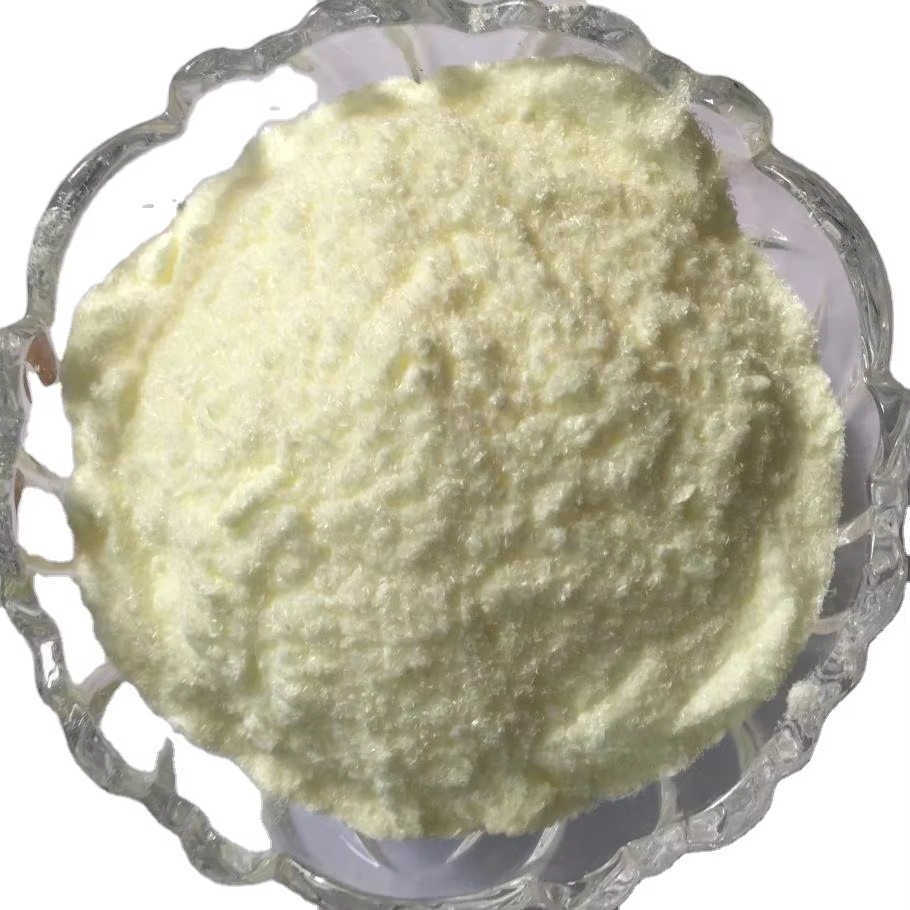
Sodium stearate, with its chemical formula C18H35NaO2, is a versatile compound that serves as a crucial ingredient in various industrial and consumer applications. This white, waxy solid is formed through the reaction between stearic acid and sodium hydroxide, resulting in a stable salt widely used as an emulsifier and thickening agent. The formula's molecular structure consists of a long hydrocarbon chain attached to a carboxylate group, which gives it both hydrophobic and hydrophilic properties. This unique characteristic makes it an excellent surfactant, capable of reducing surface tension between different substances. In industrial applications, sodium stearate is extensively used in the production of cosmetics, soaps, and personal care products, where it functions as a binding agent and provides stability to formulations. The compound's ability to form stable emulsions makes it particularly valuable in manufacturing processes where consistent product texture and appearance are essential. Additionally, its properties as a lubricant and release agent have made it indispensable in the plastic and rubber industries, where it facilitates the smooth removal of products from molds. The sodium stearate formula also demonstrates excellent compatibility with various other ingredients, making it a versatile choice for formulators seeking to develop stable and effective products.


New Products

The sodium stearate formula offers numerous advantages that make it a preferred choice across various industries. Its primary benefit lies in its exceptional emulsifying properties, which enable the stable mixing of oil and water-based ingredients, crucial for creating consistent product formulations. This capability ensures that products maintain their intended texture and performance throughout their shelf life. Another significant advantage is its cost-effectiveness, as the formula requires minimal quantities to achieve desired results, making it an economical choice for manufacturers. The compound's stability at different temperatures and pH levels adds to its versatility, allowing for use in diverse manufacturing processes. Safety is another key benefit, as sodium stearate is generally recognized as safe (GRAS) by regulatory authorities, making it suitable for use in personal care and cosmetic products. Its ability to act as a thickening agent helps improve product consistency and texture without the need for additional additives. The formula's lubricating properties contribute to better processing efficiency in manufacturing settings, reducing equipment wear and maintenance costs. Environmental considerations are also addressed, as sodium stearate is biodegradable and can be produced from renewable resources. Its role in enhancing product stability leads to longer shelf life, reducing waste and improving overall product quality. The compound's ability to function effectively in both alkaline and neutral conditions provides flexibility in formulation development, while its white appearance ensures it doesn't affect the final product's color.

Tips And Tricks

What Are the Most Common Lubricants Used in PVC Extrusion

11

Sep

What Are the Most Common Lubricants Used in PVC Extrusion

Understanding the Role of Lubricants in PVC Processing The success of PVC extrusion operations heavily depends on the selection and proper use of lubricants. These essential additives play a crucial role in facilitating the smooth processing of PVC c...
View More
 How Do Plasticizers Affect the Mechanical Properties of PVC

11

Sep

How Do Plasticizers Affect the Mechanical Properties of PVC

Understanding the Impact of Plasticizers on PVC Performance Plasticizers play a crucial role in transforming rigid polyvinyl chloride (PVC) into flexible, versatile materials used across numerous industries. These chemical additives fundamentally alt...
View More
How to Optimize Toughening Agent Dosage in Compounding

17

Nov

How to Optimize Toughening Agent Dosage in Compounding

The precision of toughening agent dosage in polymer compounding represents a critical balance between achieving desired mechanical properties and maintaining cost-effectiveness. Industrial manufacturers face mounting pressure to optimize formulations...
View More
What Is K-Value in PVC Resin and Why Does It Matter

17

Nov

What Is K-Value in PVC Resin and Why Does It Matter

The K-Value in PVC Resin represents one of the most critical parameters that determines the quality, processing characteristics, and end-use applications of polyvinyl chloride materials. This fundamental measurement serves as a primary indicator of m...
View More

Get a Free Quote

Our representative will contact you soon.
Email
Name
Company Name
Message
0/1000

sodium stearate formula

Superior Emulsification and Stabilization

Superior Emulsification and Stabilization

The sodium stearate formula excels in its role as an emulsifier and stabilizer, demonstrating remarkable capabilities in maintaining product integrity. Its molecular structure allows it to effectively bridge the gap between oil and water phases, creating stable emulsions that resist separation over time. This property is particularly valuable in cosmetic formulations, where consistent texture and appearance are crucial for consumer satisfaction. The compound's ability to form stable micelles ensures that active ingredients remain properly dispersed throughout the product, maximizing their effectiveness. This stabilizing effect extends the shelf life of products and maintains their intended performance characteristics, reducing the need for additional preservatives or stabilizing agents. The formula's effectiveness in low concentrations makes it an efficient choice for manufacturers looking to optimize their formulations while maintaining product quality.
Versatile Processing Compatibility

Versatile Processing Compatibility

One of the most significant attributes of the sodium stearate formula is its exceptional compatibility with various processing conditions and ingredients. The compound maintains its stability across a wide range of temperatures, making it suitable for both hot and cold processing methods. This versatility allows manufacturers to incorporate it into diverse production processes without compromising its effectiveness. Its ability to function effectively in different pH environments provides flexibility in formulation development, enabling its use in various product types. The formula's consistent performance in different processing conditions helps streamline manufacturing operations, reducing production complexities and potential formulation issues. Its compatibility with numerous raw materials makes it an invaluable ingredient in complex formulations where multiple components must work together harmoniously.
Enhanced Product Performance and Quality

Enhanced Product Performance and Quality

The sodium stearate formula significantly contributes to improved product performance and quality across various applications. Its role as a thickening agent helps achieve optimal viscosity levels, ensuring products maintain their desired consistency throughout their use. The compound's lubricating properties enhance the feel and application of products, contributing to a superior user experience. In manufacturing processes, it acts as an effective release agent, facilitating easy removal of products from molds and reducing production defects. The formula's ability to stabilize emulsions results in products with improved texture and appearance, meeting high quality standards. Its contribution to product stability helps maintain the efficacy of active ingredients, ensuring that products deliver their intended benefits throughout their shelf life. The compound's role in improving product performance extends to both industrial and consumer applications, making it a valuable ingredient for manufacturers focused on quality and reliability.

Get a Free Quote

Our representative will contact you soon.
Email
Name
Company Name
Message
0/1000