Talc and Titanium Dioxide: Advanced Mineral Solutions for Superior Performance and Versatility

All Categories

talc and titanium dioxide

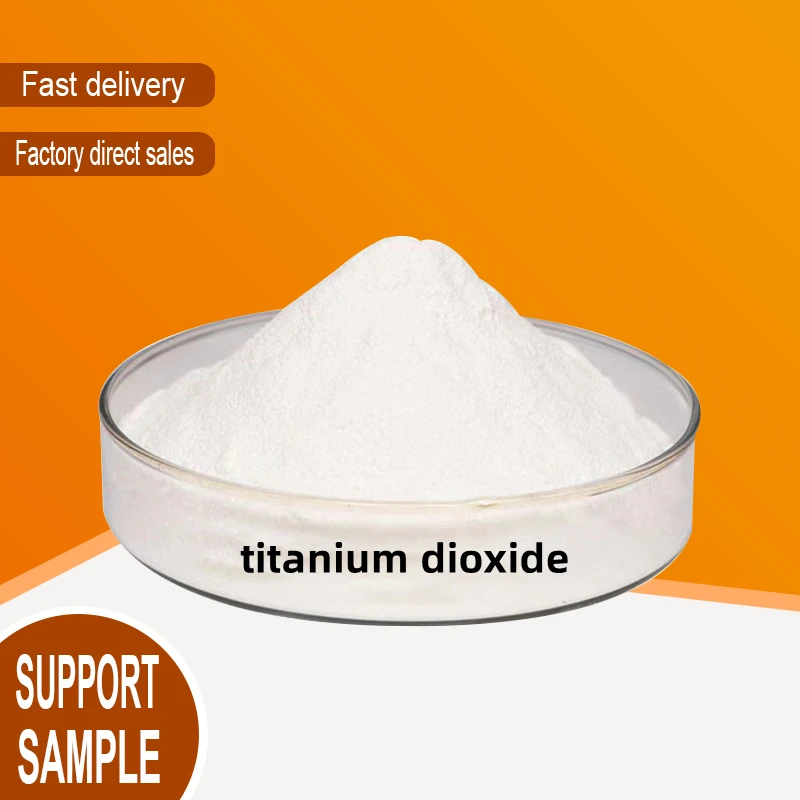
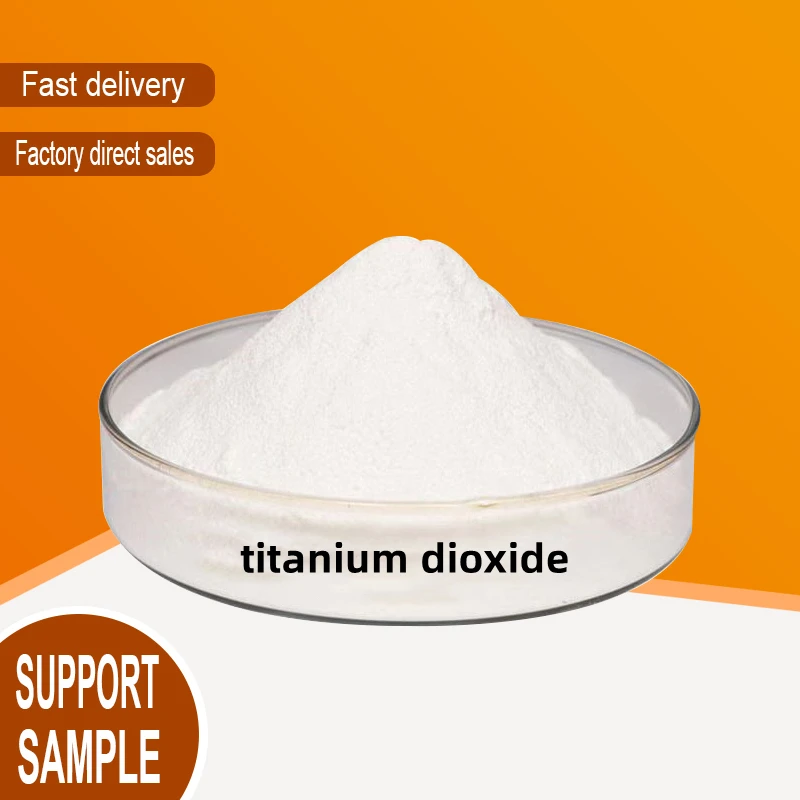
Talc and titanium dioxide are essential minerals widely used across various industries for their unique properties and versatile applications. Talc, a hydrated magnesium silicate, is prized for its softness, moisture resistance, and lubricating qualities. It serves as a vital ingredient in cosmetics, pharmaceuticals, and industrial applications. Its natural whiteness and ability to enhance opacity make it perfect for paper, paint, and plastic manufacturing. Titanium dioxide, on the other hand, is renowned for its brilliant white pigmentation and UV-resistant properties. This compound excels in providing opacity and brightness to various products, from paints and coatings to food coloring and sunscreens. Together, these minerals offer exceptional performance in particle size distribution, brightness, and chemical stability. Their technological features include controlled particle morphology, high purity levels, and consistent quality standards. In industrial applications, they enhance product durability, improve processing efficiency, and contribute to superior end-product performance. These materials are particularly valuable in creating high-quality surface finishes, improving wear resistance, and ensuring optimal dispersion in various formulations.


New Product Releases

The combination of talc and titanium dioxide presents numerous advantages that make them indispensable in modern manufacturing and product formulation. First, their exceptional opacity and whiteness properties ensure superior coverage and aesthetic appeal in final products, reducing the amount of material needed for desired results. These minerals offer outstanding durability and weather resistance, making them ideal for outdoor applications and long-lasting products. Their chemical inertness ensures stability in various formulations, preventing unwanted reactions and extending shelf life. In terms of processing, both materials demonstrate excellent dispersibility and flow characteristics, leading to improved manufacturing efficiency and consistent product quality. The versatility of these minerals allows for customization in particle size and surface treatment, meeting specific application requirements. Their environmental profile is noteworthy, as they are naturally occurring minerals that can be processed with minimal environmental impact. Safety is another crucial advantage, as both materials have a long history of safe use in various applications, including cosmetics and food products. Their cost-effectiveness is demonstrated through reduced material consumption, improved processing efficiency, and enhanced product performance. The combination also offers excellent thermal stability, making them suitable for high-temperature applications. Their ability to enhance mechanical properties, such as impact resistance and tensile strength in plastics and composites, provides additional value to manufacturers.

Practical Tips

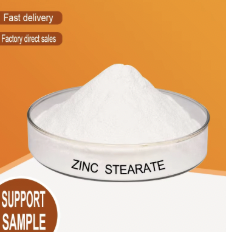
How Do Calcium and Zinc Stearates Differ in Application?

27

Aug

How Do Calcium and Zinc Stearates Differ in Application?

Understanding the Unique Properties of Metal Stearates In the world of industrial additives and lubricants, metal stearates play a crucial role in various manufacturing processes and end products. Among these versatile compounds, calcium and zinc ste...
View More
What Are Halogen-Free Flame Retardants and Their Benefits?

27

Aug

What Are Halogen-Free Flame Retardants and Their Benefits?

Understanding Modern Fire Safety Solutions in Materials In today's rapidly evolving materials industry, halogen-free flame retardants represent a significant advancement in fire safety technology. These innovative compounds are revolutionizing how we...
View More
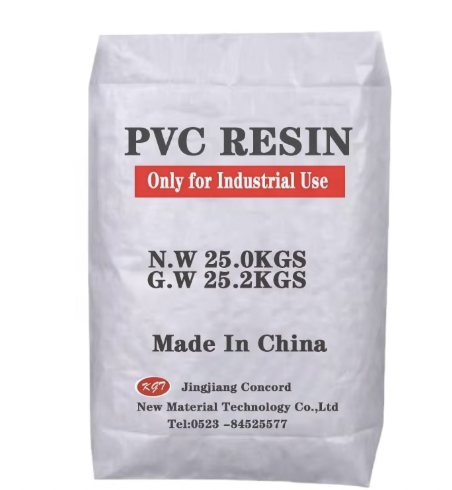
How to Choose the Right PVC Resin Grade for Your Application

11

Sep

How to Choose the Right PVC Resin Grade for Your Application

Understanding PVC Resin Properties and Selection Criteria Selecting the appropriate PVC resin grade is crucial for ensuring optimal product performance and manufacturing efficiency. The diverse range of PVC resin grades available today offers varying...
View More
What Is the Difference Between Core-Shell and Elastomer Tougheners

22

Oct

What Is the Difference Between Core-Shell and Elastomer Tougheners

Understanding Modern Polymer Toughening Technologies In the evolving world of polymer science and materials engineering, toughening agents play a crucial role in enhancing the mechanical properties of plastics and composites. Core-shell and elastomer...
View More

Get a Free Quote

Our representative will contact you soon.
Email
Name
Company Name
Message
0/1000

talc and titanium dioxide

Superior Optical Performance and Coverage

Superior Optical Performance and Coverage

The synergistic combination of talc and titanium dioxide delivers exceptional optical performance that sets new standards in various applications. The unique crystal structure of titanium dioxide provides unmatched opacity and whiteness, while talc enhances these properties through its natural brightness and light-scattering capabilities. This combination results in superior coverage with less material usage, leading to cost savings and improved efficiency in production processes. The optical properties remain stable under various conditions, including exposure to UV light and extreme temperatures, ensuring long-lasting performance in end products. This feature is particularly valuable in applications such as architectural coatings, where consistent appearance and durability are crucial. The materials ability to maintain their optical properties while providing excellent dispersion makes them ideal for high-performance applications in industries ranging from cosmetics to industrial coatings.
Enhanced Processing Efficiency and Versatility

Enhanced Processing Efficiency and Versatility

The unique physical and chemical properties of talc and titanium dioxide combination contribute significantly to processing efficiency and application versatility. Their controlled particle size distribution and morphology enable smooth processing and excellent dispersion in various matrices. The materials natural lubricating properties reduce equipment wear and energy consumption during processing, leading to more efficient manufacturing operations. Their compatibility with different binding systems and ability to maintain stability under various processing conditions makes them suitable for a wide range of applications. The materials can be easily modified or treated to enhance specific properties, such as hydrophobicity or surface reactivity, further expanding their application potential. This versatility allows manufacturers to optimize formulations for specific end-use requirements while maintaining consistent quality and performance.
Sustainable Performance and Safety Profile

Sustainable Performance and Safety Profile

The combination of talc and titanium dioxide represents a commitment to sustainable and safe material solutions. Both minerals are naturally occurring and can be processed using environmentally responsible methods. Their high efficiency in application means less material is needed to achieve desired results, contributing to resource conservation. The materials demonstrate excellent chemical stability and inertness, ensuring they remain stable throughout their lifecycle without releasing harmful substances. Their proven safety record in various applications, including sensitive ones like cosmetics and food contact materials, provides confidence to manufacturers and end-users alike. The materials comply with strict regulatory requirements worldwide, making them suitable for global market applications. Their durability and resistance to degradation contribute to longer-lasting products, reducing waste and environmental impact over time.

Get a Free Quote

Our representative will contact you soon.
Email
Name
Company Name
Message
0/1000