Tri Basic Lead Sulphate: Advanced Battery Material for Enhanced Performance and Efficiency

All Categories

tri basic lead sulphate

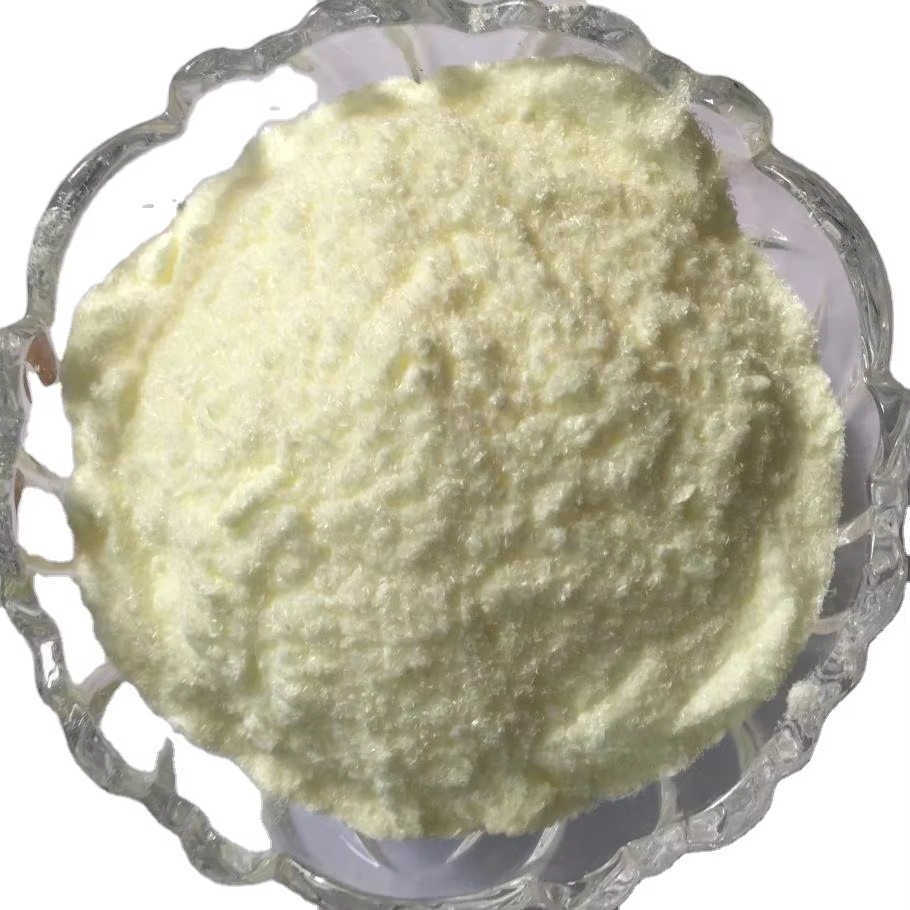
Tri basic lead sulphate is a crucial chemical compound widely utilized in industrial applications, particularly in the manufacturing of lead acid batteries. This white crystalline substance, characterized by its high purity and stability, plays a vital role as a primary active material in battery production. With its chemical formula 3PbO·PbSO4·H2O, it demonstrates exceptional performance in providing enhanced battery life and improved charging efficiency. The compound's unique molecular structure allows for superior electron transfer capabilities, making it an essential component in modern battery technology. In industrial applications, tri basic lead sulphate serves as a key ingredient in the positive plate formation process, contributing to increased battery capacity and improved discharge characteristics. Its controlled particle size distribution ensures uniform plate formation, resulting in better battery performance and longevity. The compound's stability under various operating conditions makes it particularly valuable in applications requiring reliable energy storage solutions. Furthermore, its consistent quality and reproducible performance characteristics have made it a preferred choice among battery manufacturers worldwide. The material's processing advantages, including excellent dispersion properties and controlled reactivity, contribute to more efficient manufacturing processes and higher quality end products.


New Product Releases

Tri basic lead sulphate offers numerous advantages that make it an indispensable component in battery manufacturing and related applications. First and foremost, its high purity levels ensure consistent performance and reliability in battery operations. The compound's carefully controlled particle size distribution promotes uniform plate formation, leading to enhanced battery efficiency and extended service life. One of the most significant benefits is its superior stability during storage and processing, which minimizes quality variations in the final product. The material's excellent dispersion characteristics facilitate easier mixing and processing during manufacturing, reducing production time and costs. Additionally, its optimized reactivity profile enables better control over the battery formation process, resulting in improved product consistency. The compound's unique crystal structure contributes to better electron transfer capabilities, enhancing overall battery performance. Its moisture resistance properties help maintain product stability during storage and transportation. From an economic perspective, the use of tri basic lead sulphate leads to reduced manufacturing defects and improved yield rates. The material's consistent quality helps minimize batch-to-batch variations, ensuring reliable product performance. Its excellent compatibility with other battery components reduces the risk of adverse reactions and extends battery life. The compound's controlled reactivity also contributes to safer handling and processing conditions in manufacturing facilities. These advantages collectively result in higher quality batteries with improved performance characteristics and longer service life, making it a cost-effective choice for manufacturers.

Tips And Tricks

What Are the Differences Between Calcium-Zinc and Lead Stabilizers?

27

Aug

What Are the Differences Between Calcium-Zinc and Lead Stabilizers?

Understanding PVC Stabilizer Systems: A Comprehensive Guide In the world of polymer processing and PVC manufacturing, the choice of heat stabilizers plays a crucial role in determining the final product's quality, durability, and environmental impact...
View More
Can Toughening Agents Improve Low-Temperature Performance?

27

Aug

Can Toughening Agents Improve Low-Temperature Performance?

The Science Behind Material Enhancement Through Toughening Agents The quest for superior material performance at low temperatures has led scientists and engineers to explore innovative solutions, with toughening agents emerging as a revolutionary app...
View More
What Are the Main Types of Flame Retardants for Thermoplastics

22

Oct

What Are the Main Types of Flame Retardants for Thermoplastics

Understanding Modern Flame Retardant Solutions in Thermoplastic Materials The growing demand for safer plastic materials has placed flame retardants for thermoplastics at the forefront of materials science innovation. These essential additives play a...
View More
What Is K-Value in PVC Resin and Why Does It Matter

17

Nov

What Is K-Value in PVC Resin and Why Does It Matter

The K-Value in PVC Resin represents one of the most critical parameters that determines the quality, processing characteristics, and end-use applications of polyvinyl chloride materials. This fundamental measurement serves as a primary indicator of m...
View More

Get a Free Quote

Our representative will contact you soon.
Email
Name
Company Name
Message
0/1000

tri basic lead sulphate

Superior Chemical Stability and Performance

Superior Chemical Stability and Performance

The exceptional chemical stability of tri basic lead sulphate sets it apart as a premier choice in battery manufacturing. This stability manifests in several critical ways, including resistance to degradation under various operating conditions and consistent performance over extended periods. The compound's molecular structure provides optimal electron transfer capabilities, essential for efficient battery operation. Its stability during storage and processing ensures that manufacturers can maintain consistent quality standards throughout their production cycle. The material's resistance to environmental factors, such as temperature and humidity variations, contributes to its reliability in diverse applications. This inherent stability also translates to longer shelf life for both the raw material and the finished battery products.
Enhanced Manufacturing Efficiency

Enhanced Manufacturing Efficiency

Tri basic lead sulphate significantly improves manufacturing efficiency through its optimized processing characteristics. The compound's controlled particle size distribution enables uniform mixing and better dispersion in battery paste formulations. This uniformity leads to more consistent plate formation and reduced manufacturing defects. The material's processing advantages include reduced mixing times, improved paste consistency, and better adherence to battery grid structures. These features collectively contribute to higher production yields and reduced manufacturing costs. The compound's predictable behavior during processing allows for better quality control and streamlined production schedules.
Improved Battery Performance and Longevity

Improved Battery Performance and Longevity

The use of tri basic lead sulphate directly correlates with enhanced battery performance and extended service life. Its optimized crystal structure promotes efficient electron transfer, resulting in improved battery capacity and better discharge characteristics. The compound's role in forming stable, uniform battery plates contributes to consistent performance throughout the battery's lifecycle. Its controlled reactivity ensures optimal formation of active material during the battery manufacturing process, leading to better overall battery efficiency. The material's stability also helps prevent common battery failure modes, extending the operational life of the final product. These performance benefits make it particularly valuable in applications requiring reliable, long-term energy storage solutions.

Get a Free Quote

Our representative will contact you soon.
Email
Name
Company Name
Message
0/1000