Magnesium Stearate and Stearic Acid: Essential Ingredients for Pharmaceutical and Food Manufacturing

All Categories

magnesium stearate and stearic acid

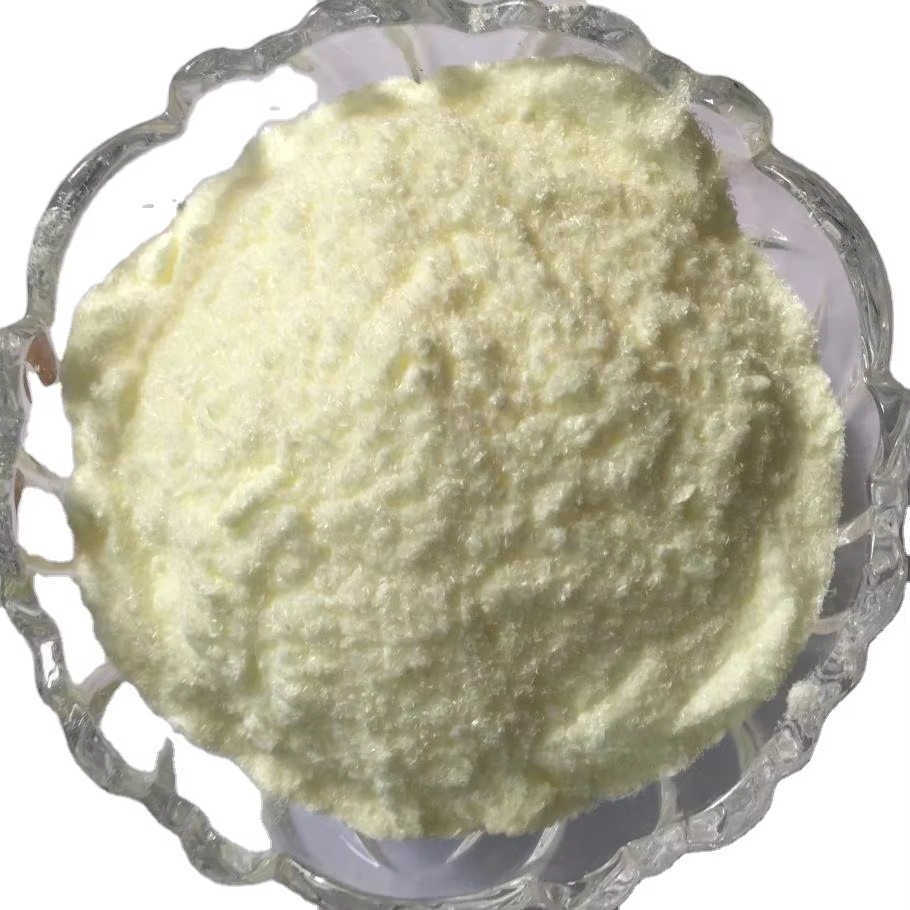
Magnesium stearate and stearic acid are essential compounds widely used in various industries, particularly in pharmaceutical and food manufacturing. Magnesium stearate is a salt composed of magnesium and stearic acid, forming a fine, light white powder with remarkable lubricating properties. This compound acts as an excellent flow agent and lubricant in tablet manufacturing, preventing ingredients from sticking to manufacturing equipment and ensuring consistent product quality. Stearic acid, a saturated fatty acid, serves as a crucial raw material in producing magnesium stearate and offers its own set of valuable properties. With a melting point of approximately 69°C, stearic acid provides stability and lubrication in various applications. These compounds are FDA-approved and meet strict quality standards for use in pharmaceuticals, cosmetics, and food products. Their technological features include excellent powder flow properties, superior binding capabilities, and consistent particle size distribution, making them indispensable in modern manufacturing processes. Applications range from tablet and capsule production to personal care products and food supplements, where they help maintain product integrity and ensure optimal processing conditions.


New Product Releases

The combination of magnesium stearate and stearic acid offers numerous advantages that make them invaluable in manufacturing processes. First, these compounds significantly improve production efficiency by reducing friction during tablet compression and preventing ingredients from adhering to equipment surfaces. This results in faster production speeds and reduced maintenance requirements. Their excellent stability at room temperature ensures extended shelf life for finished products, while their neutral taste and odor make them ideal for food and pharmaceutical applications. From a cost perspective, these materials provide exceptional value due to their low usage rates typically ranging from 0.25% to 2% in most formulations. Safety is another crucial advantage, as both compounds have a long history of safe use and are recognized as GRAS (Generally Recognized as Safe) by regulatory authorities. In pharmaceutical manufacturing, they enable consistent tablet disintegration and dissolution rates, ensuring reliable drug delivery. The versatility of these materials allows for their use in various formulation types, from direct compression tablets to capsules and powder blends. Their hydrophobic properties help protect moisture-sensitive ingredients, extending product stability. Additionally, their white color and fine particle size contribute to the aesthetic appeal of finished products without affecting their appearance. These advantages, combined with their widespread availability and cost-effectiveness, make magnesium stearate and stearic acid essential components in modern manufacturing processes.

Tips And Tricks

Can Toughening Agents Improve Low-Temperature Performance?

27

Aug

Can Toughening Agents Improve Low-Temperature Performance?

The Science Behind Material Enhancement Through Toughening Agents The quest for superior material performance at low temperatures has led scientists and engineers to explore innovative solutions, with toughening agents emerging as a revolutionary app...
View More
Can Stearates Be Used as Lubricants and Stabilizers Together

11

Sep

Can Stearates Be Used as Lubricants and Stabilizers Together

Understanding the Dual Functionality of Stearates in Industrial Applications The versatility of stearates in modern manufacturing and industrial processes has made them invaluable components across various sectors. These remarkable compounds possess ...
View More
Can Lubricants Improve Demolding in Plastic Injection Molding

17

Nov

Can Lubricants Improve Demolding in Plastic Injection Molding

Plastic injection molding presents numerous challenges throughout the manufacturing process, with demolding representing one of the most critical stages that can significantly impact production efficiency and product quality. The successful release o...
View More
What Is the Impact of Plasticizer on PVC Gelation

17

Nov

What Is the Impact of Plasticizer on PVC Gelation

Understanding the relationship between plasticizers and polyvinyl chloride (PVC) gelation is crucial for manufacturers seeking optimal processing conditions and end-product quality. The impact of plasticizer on PVC gelation fundamentally alters the t...
View More

Get a Free Quote

Our representative will contact you soon.
Email
Name
Company Name
Message
0/1000

magnesium stearate and stearic acid

Superior Lubrication and Flow Properties

Superior Lubrication and Flow Properties

The exceptional lubrication and flow properties of magnesium stearate and stearic acid set them apart in manufacturing applications. These compounds create a microscopic film on particle surfaces, significantly reducing inter-particle friction and adhesion to equipment surfaces. This unique feature enables smooth powder flow through processing equipment, preventing blockages and ensuring consistent feed rates. In tablet manufacturing, this translates to uniform die filling and consistent tablet weight variation, crucial for meeting quality specifications. The lubricating effect also reduces wear on expensive tooling and equipment, leading to substantial cost savings in maintenance and replacement parts. Furthermore, the optimal flow characteristics contribute to better content uniformity in final products, ensuring that active ingredients are evenly distributed throughout the batch.
Versatile Applications Across Industries

Versatile Applications Across Industries

The remarkable versatility of magnesium stearate and stearic acid makes them indispensable across multiple industries. In pharmaceuticals, they serve as crucial excipients in tablet and capsule formulations, enabling efficient production and consistent quality. The food industry utilizes these compounds as emulsifiers and stabilizers in various products, from baked goods to confectionery items. In cosmetics, they contribute to the texture and stability of creams, lotions, and powders. Their application extends to industrial products, where they act as release agents and lubricants in plastic and rubber manufacturing. This wide range of applications is supported by their compatibility with numerous other ingredients and their ability to maintain effectiveness under various processing conditions.
Regulatory Compliance and Quality Assurance

Regulatory Compliance and Quality Assurance

Magnesium stearate and stearic acid stand out for their excellent regulatory compliance and quality assurance profiles. Both compounds meet stringent pharmaceutical standards, including USP, EP, and JP specifications, making them suitable for use in regulated products worldwide. Their manufacturing processes are well-documented and controlled, ensuring consistent quality from batch to batch. Regular testing for purity, particle size distribution, and metal content guarantees compliance with regulatory requirements. The established safety profile of these materials, supported by extensive toxicological data, provides manufacturers with confidence in their use. Additionally, their stability under various storage conditions and compatibility with common packaging materials contribute to reliable product performance throughout the shelf life.

Get a Free Quote

Our representative will contact you soon.
Email
Name
Company Name
Message
0/1000